

SUP
Find a wide selection of SUP boards and paddleboards at One Open Sky. We offer boards, paddles and accessories from the best brands for both beginners and advanced riders.











SUP
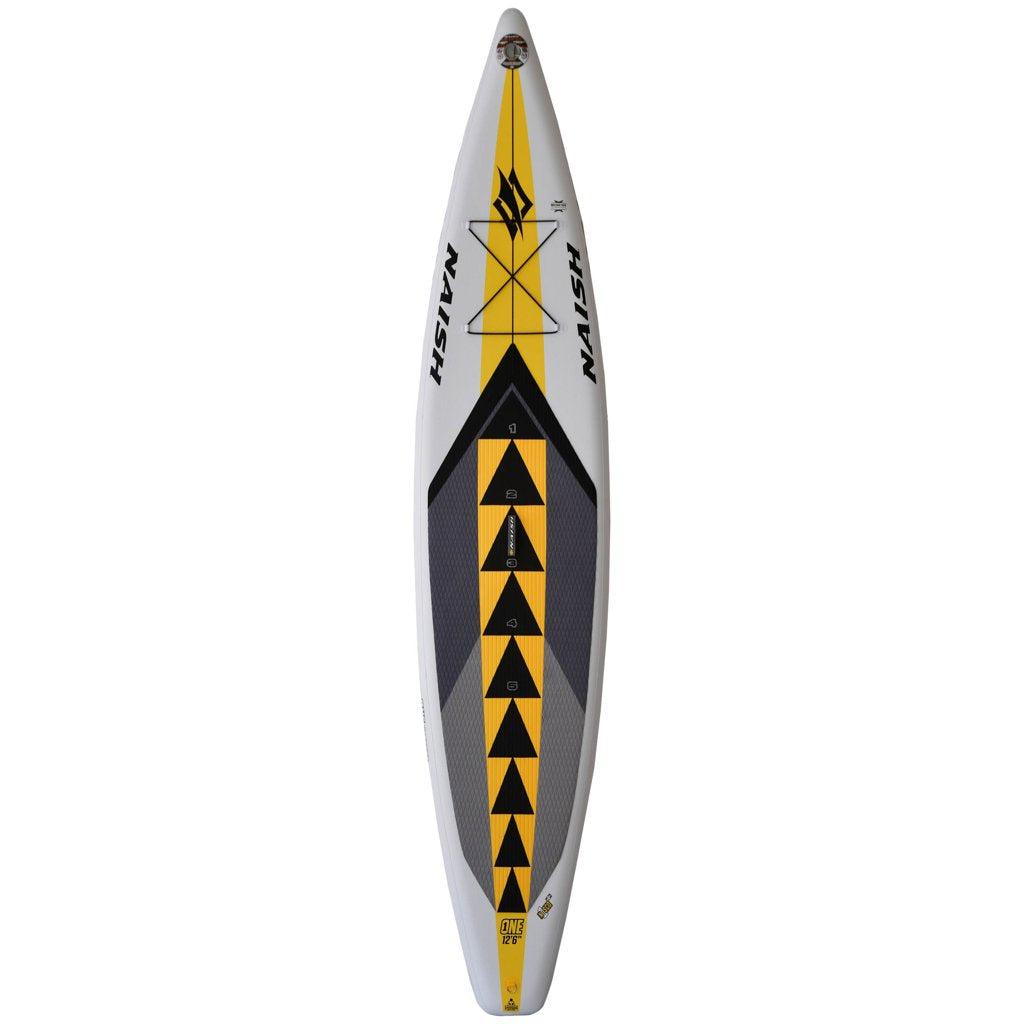
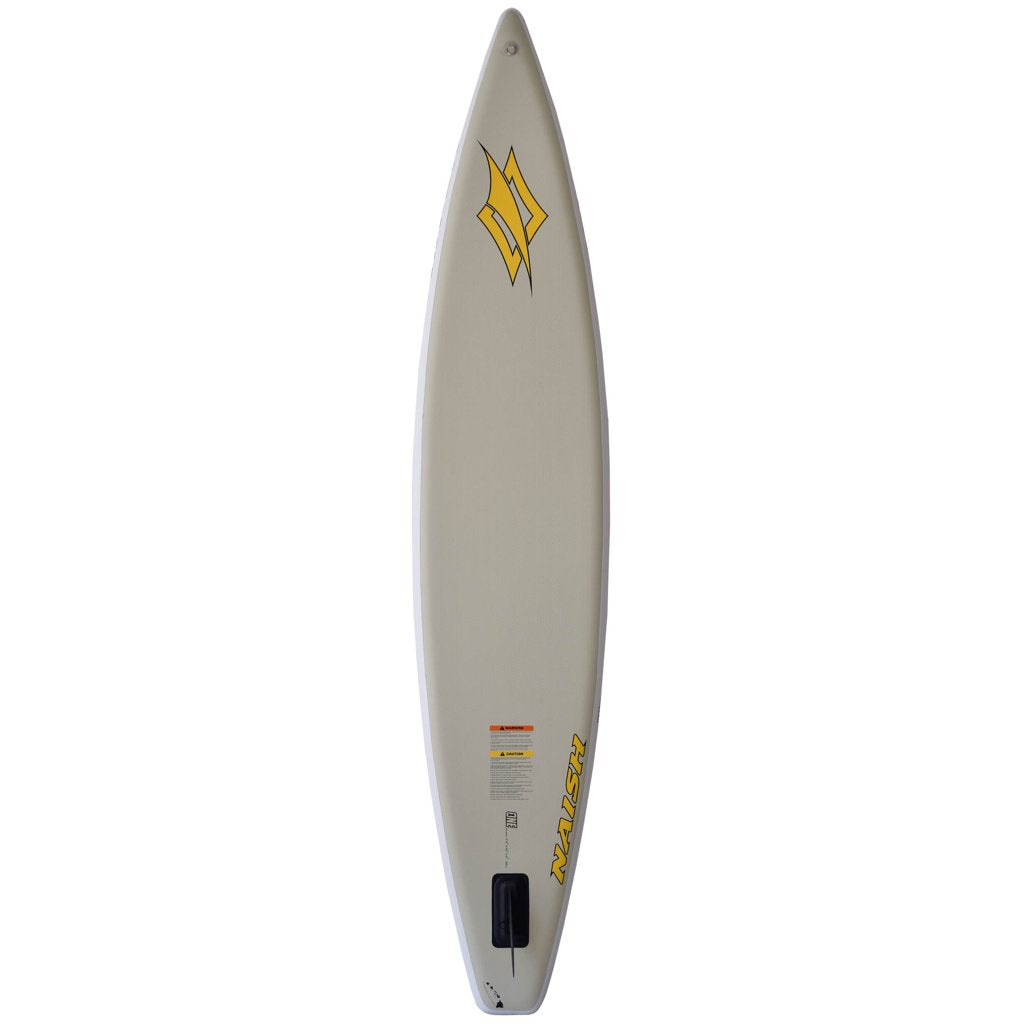
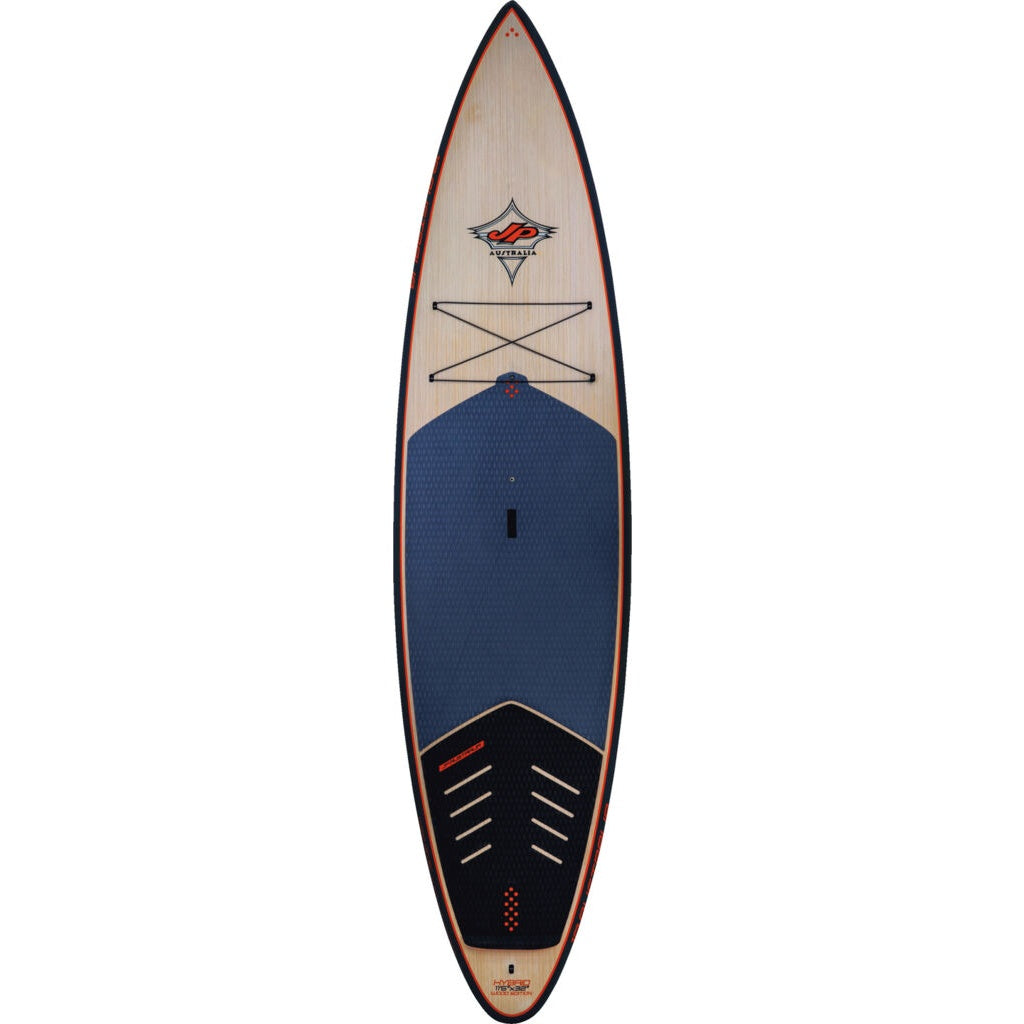
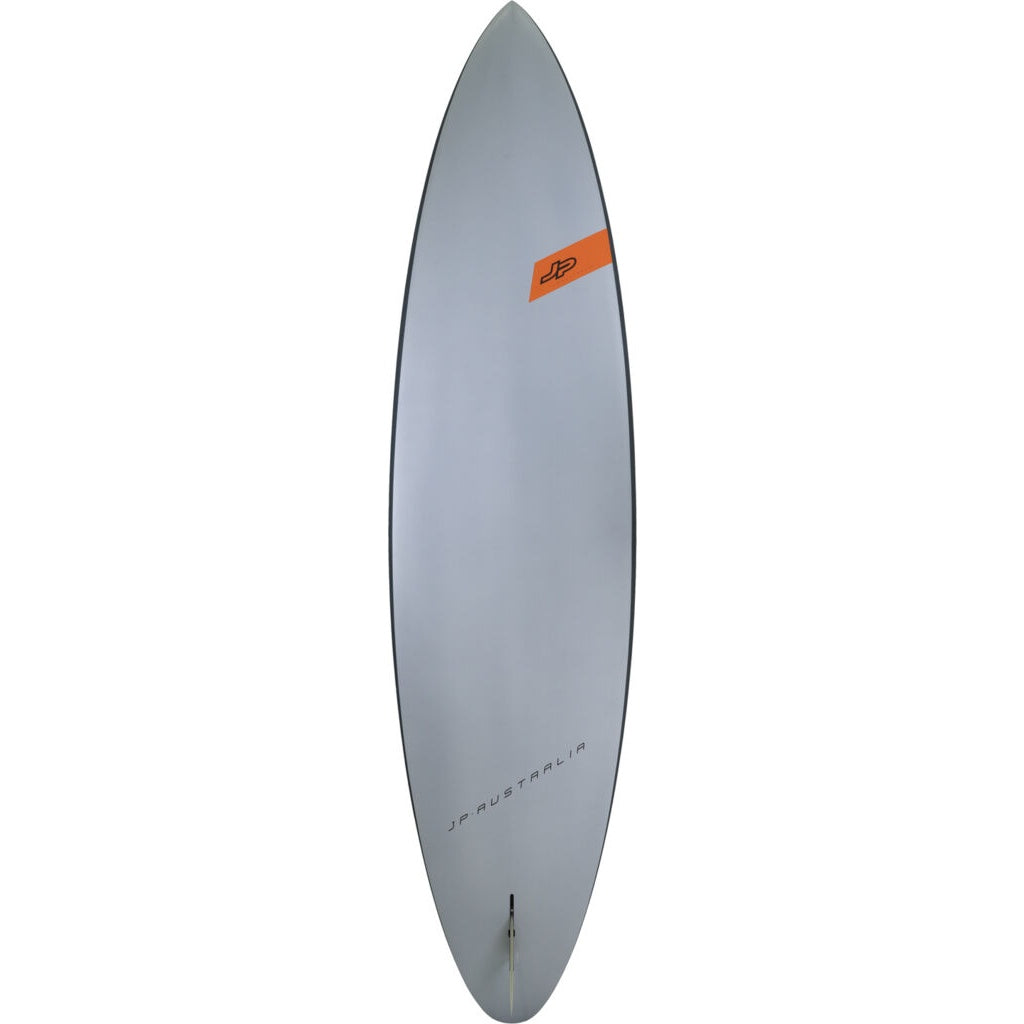
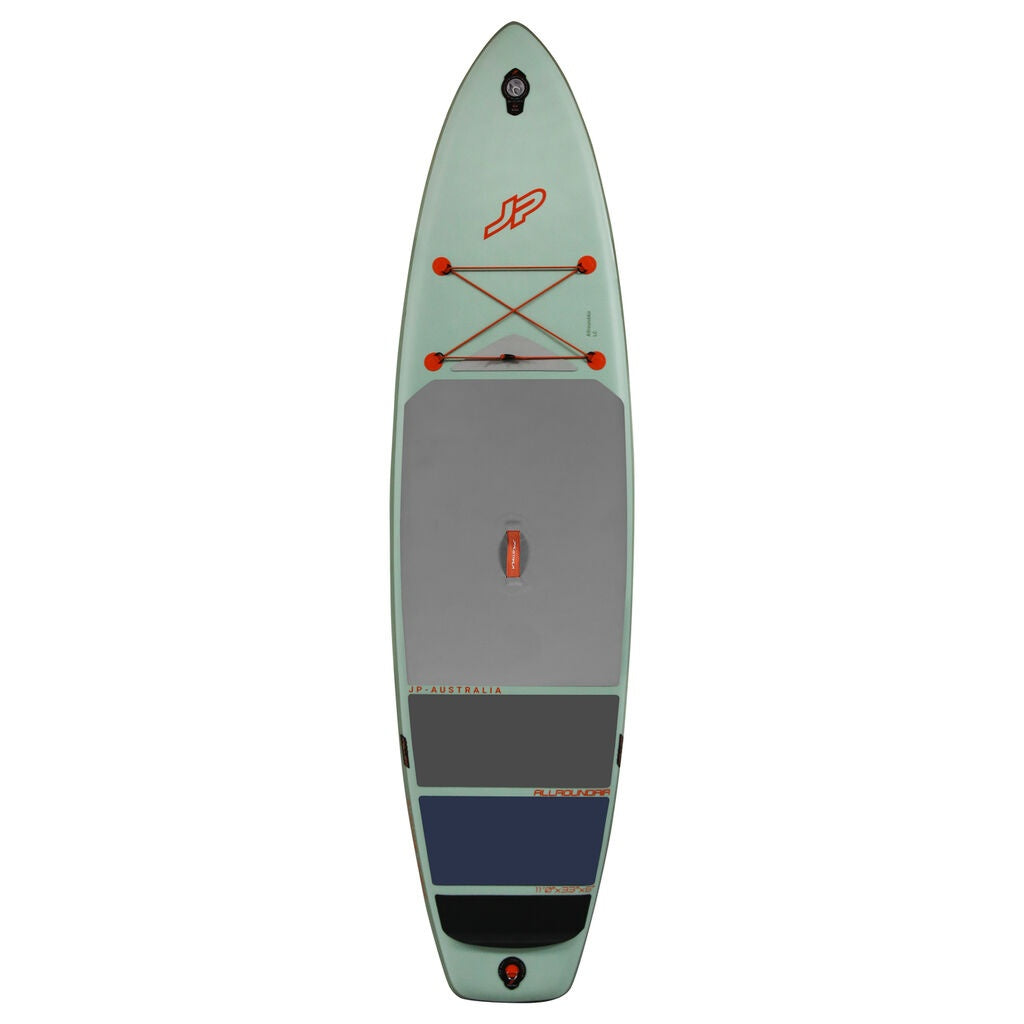
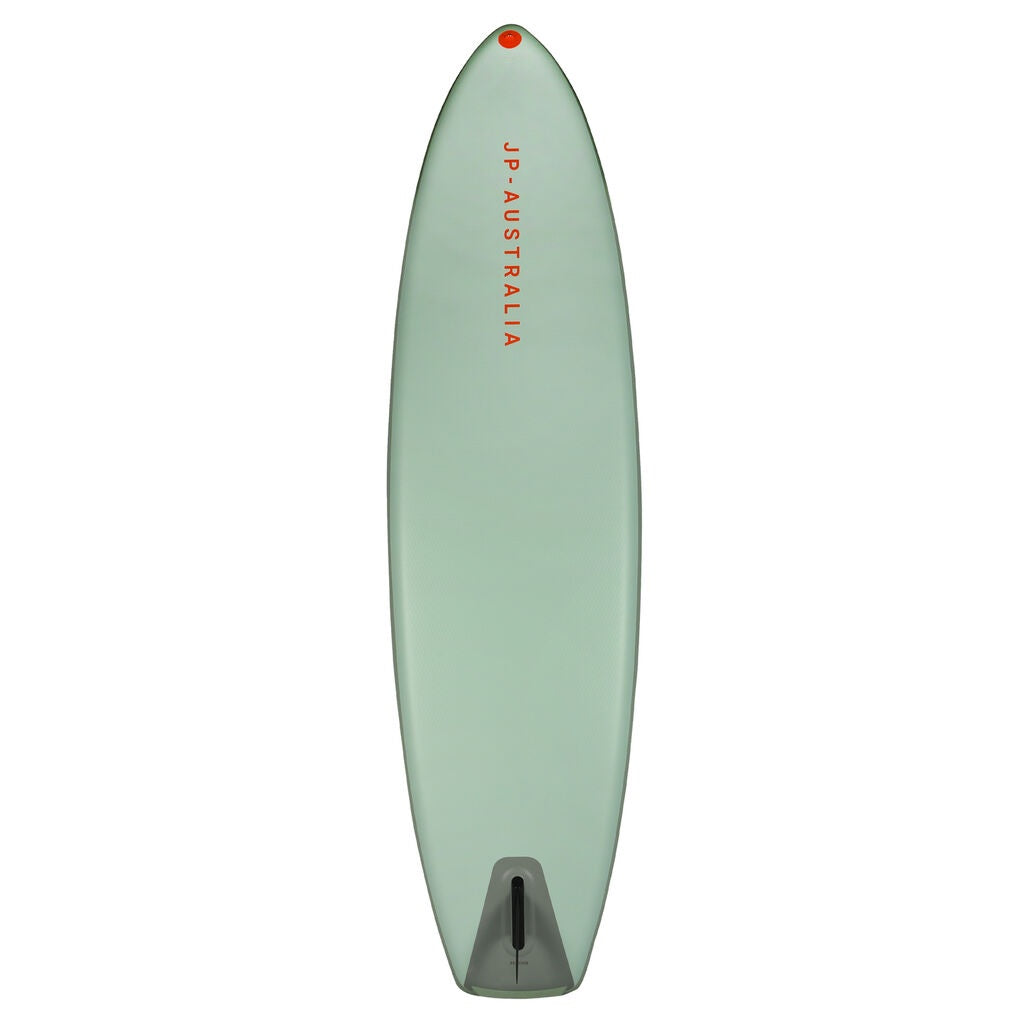
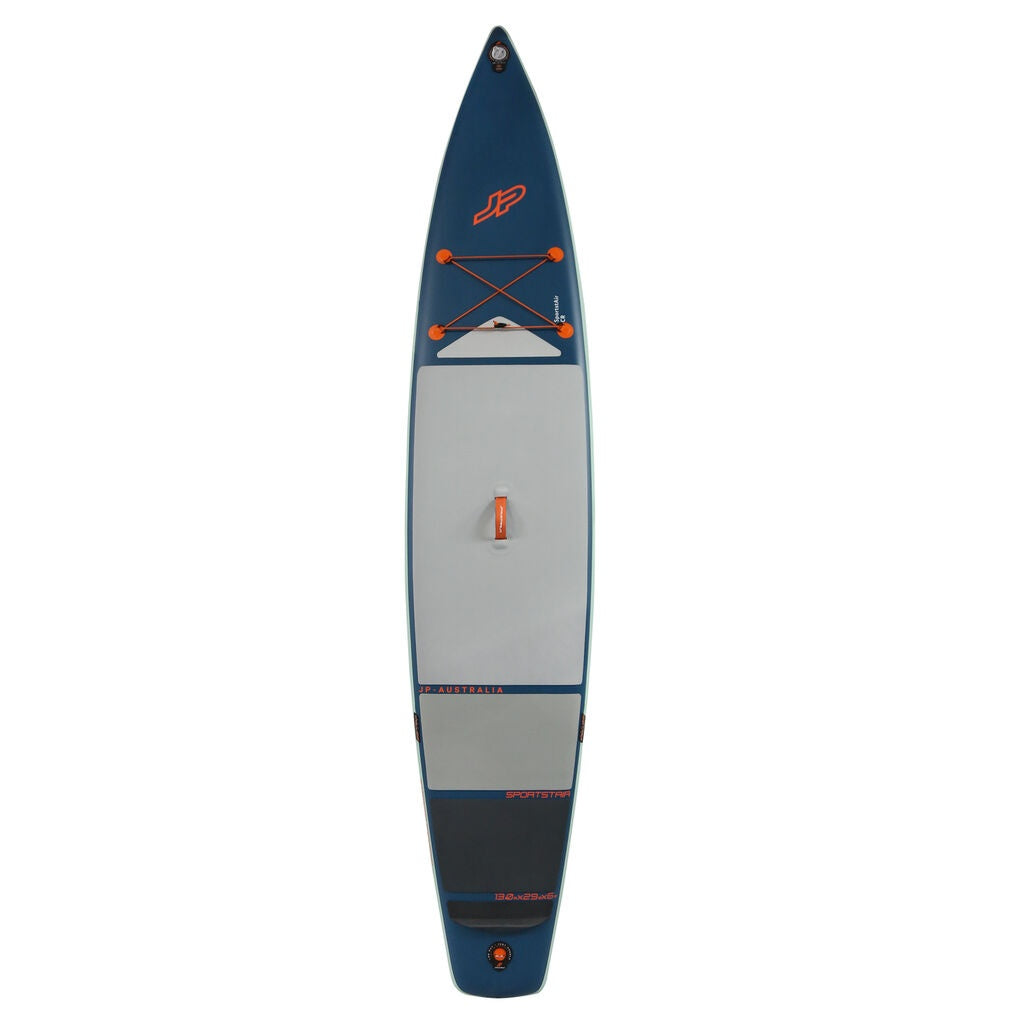
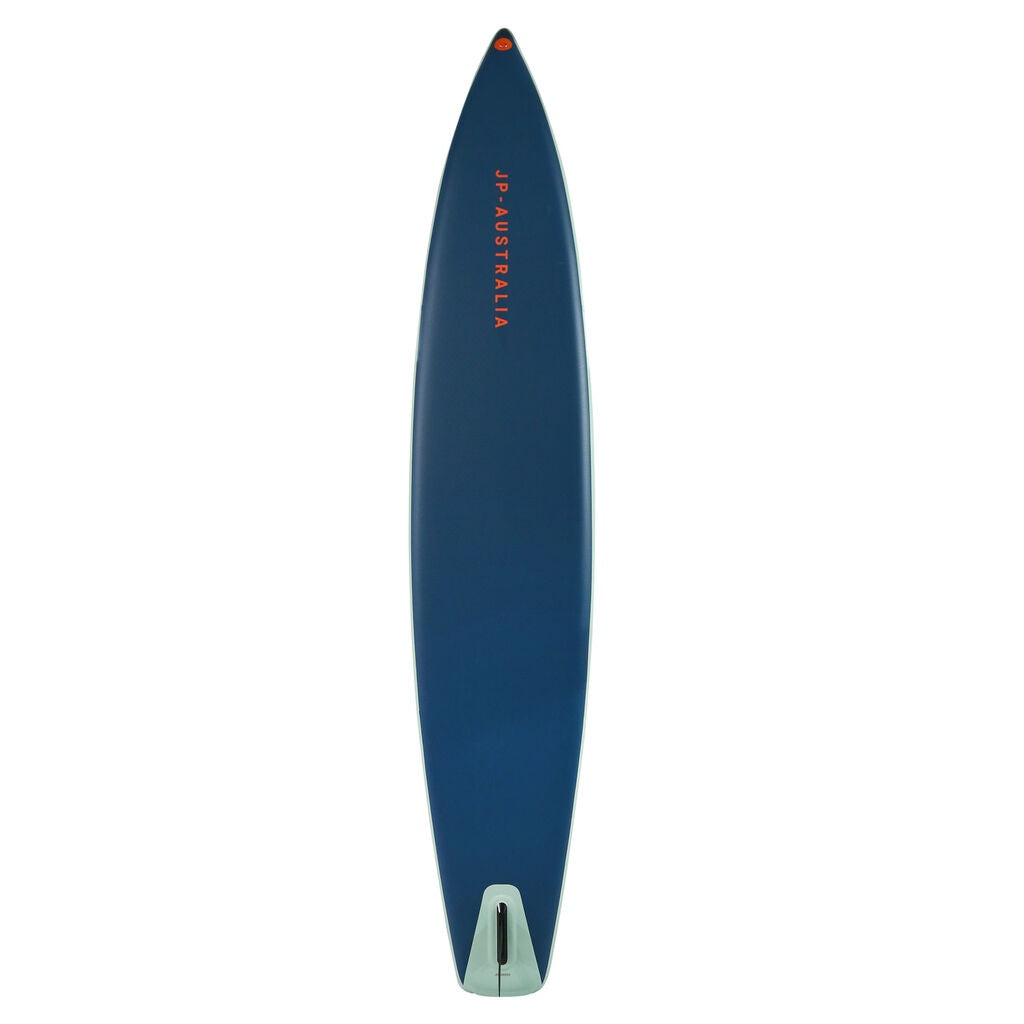
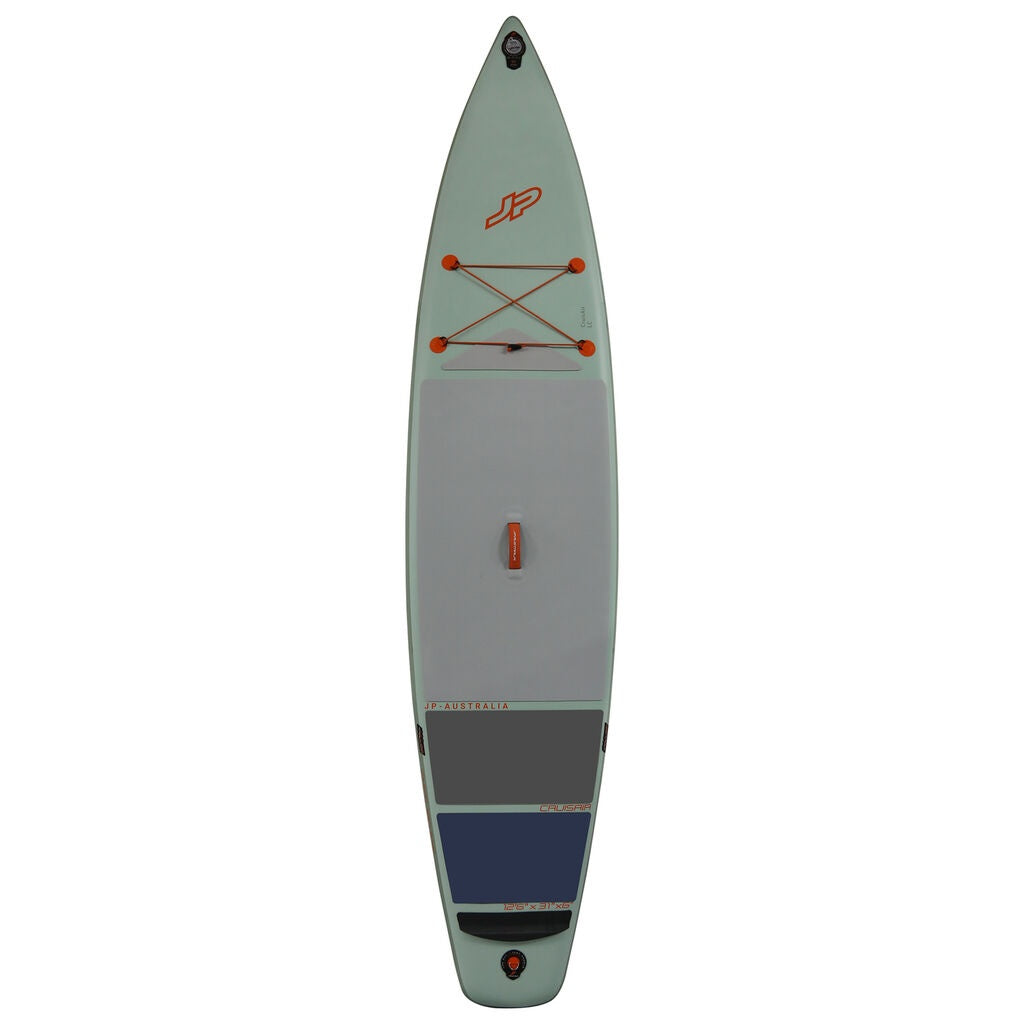
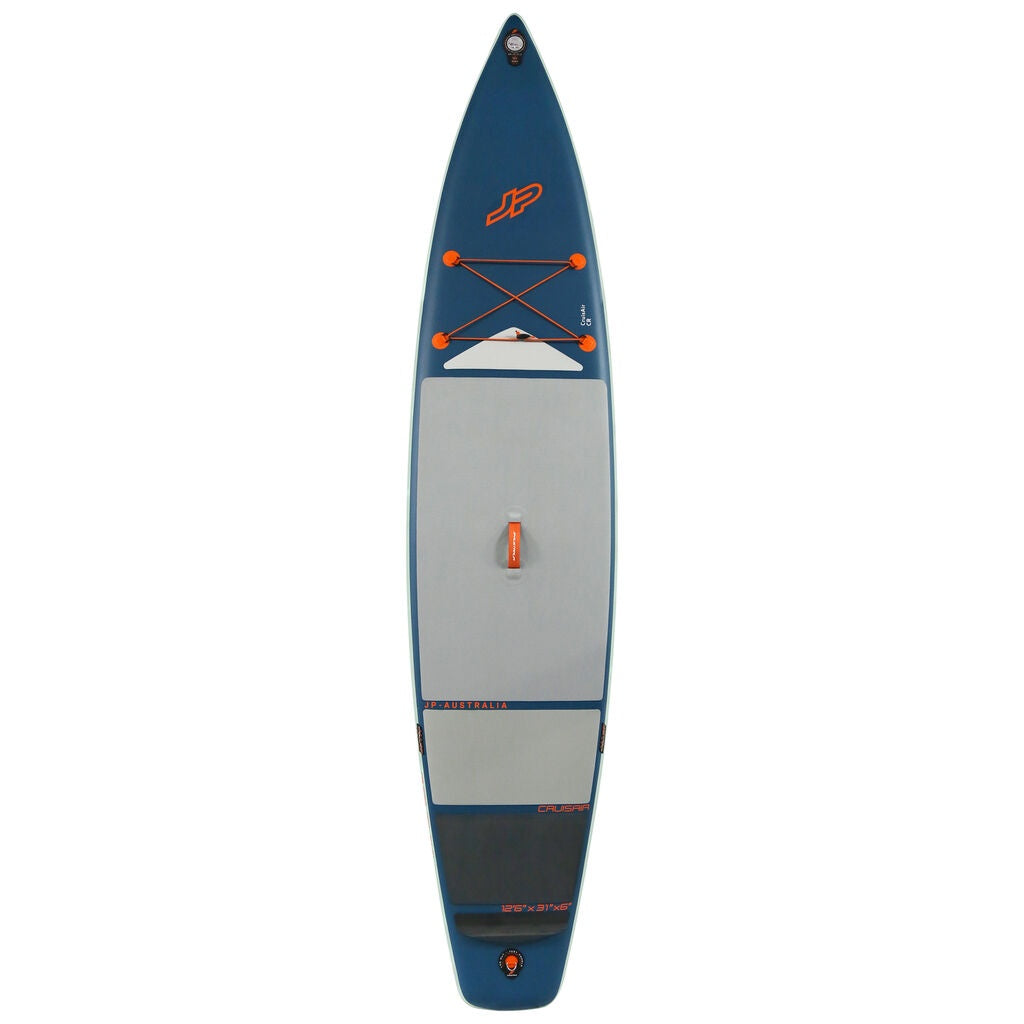
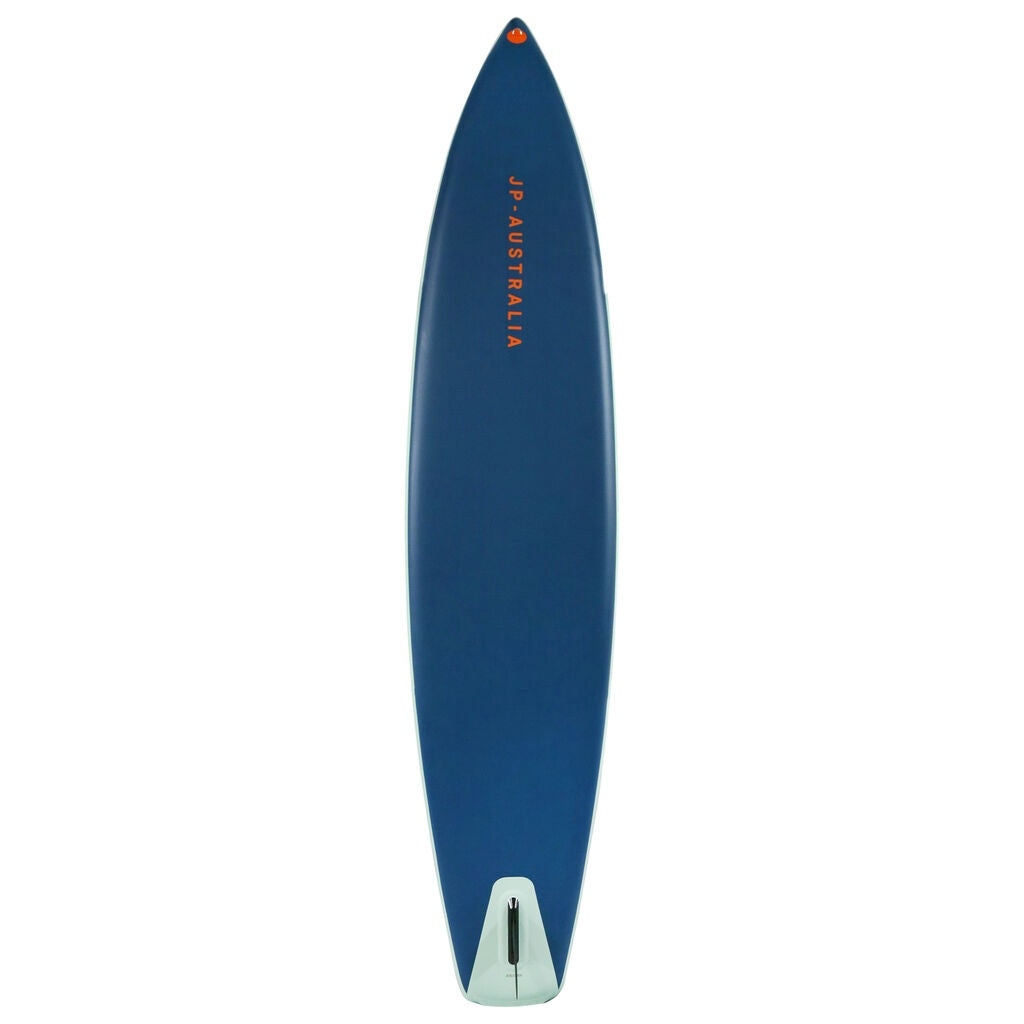
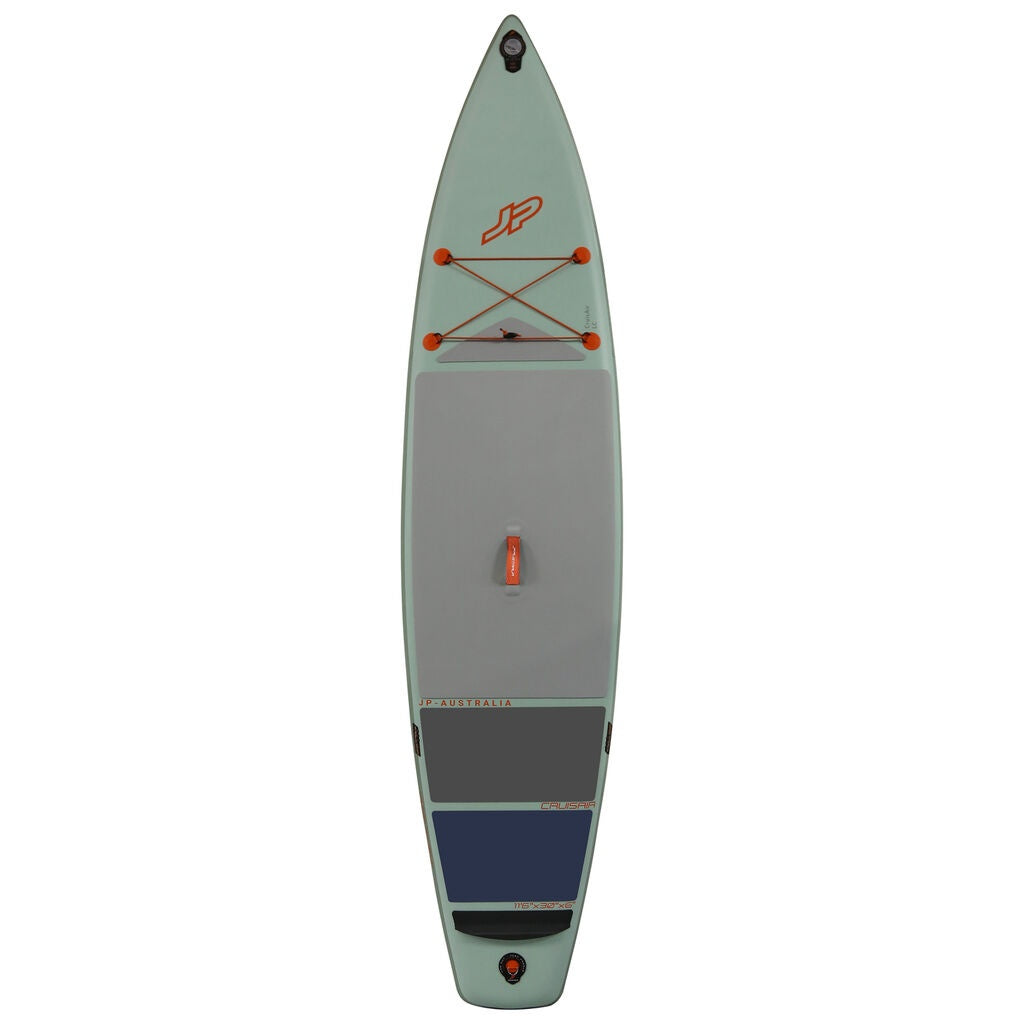
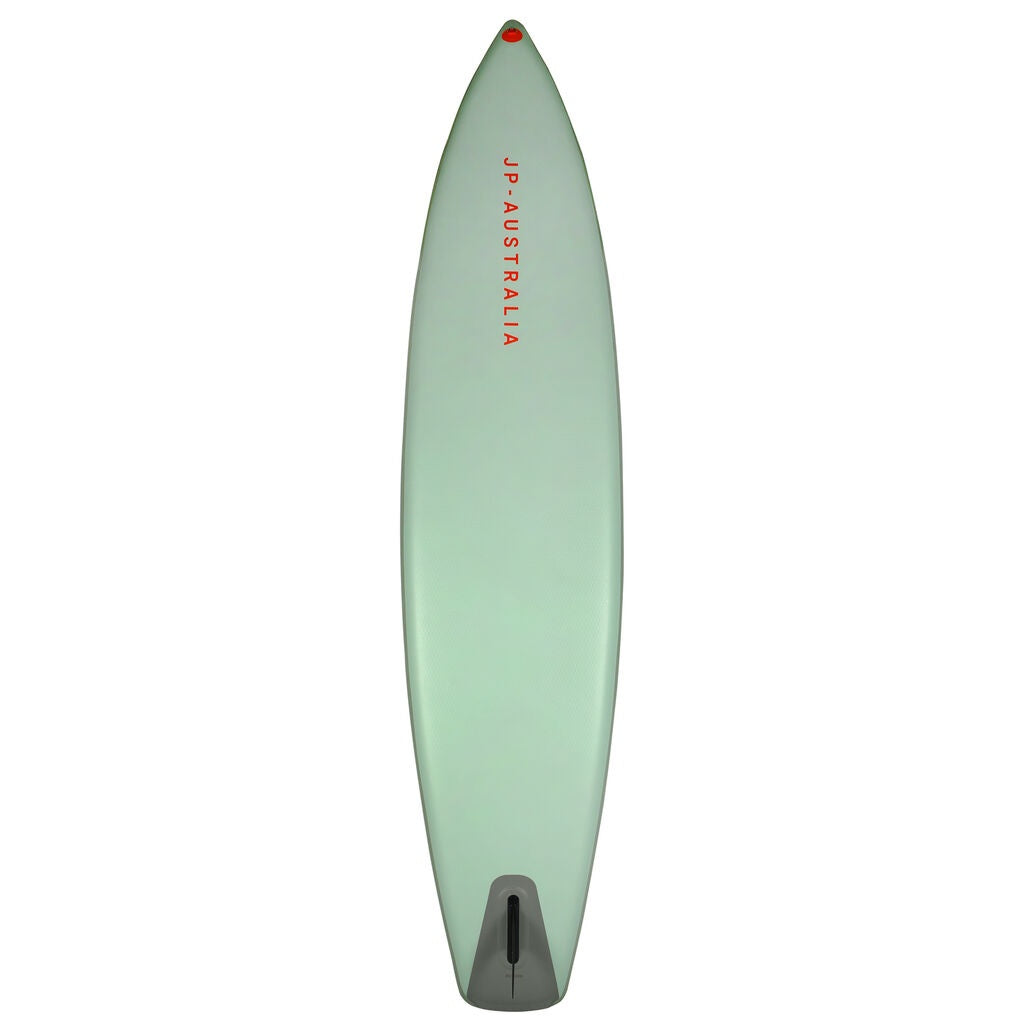
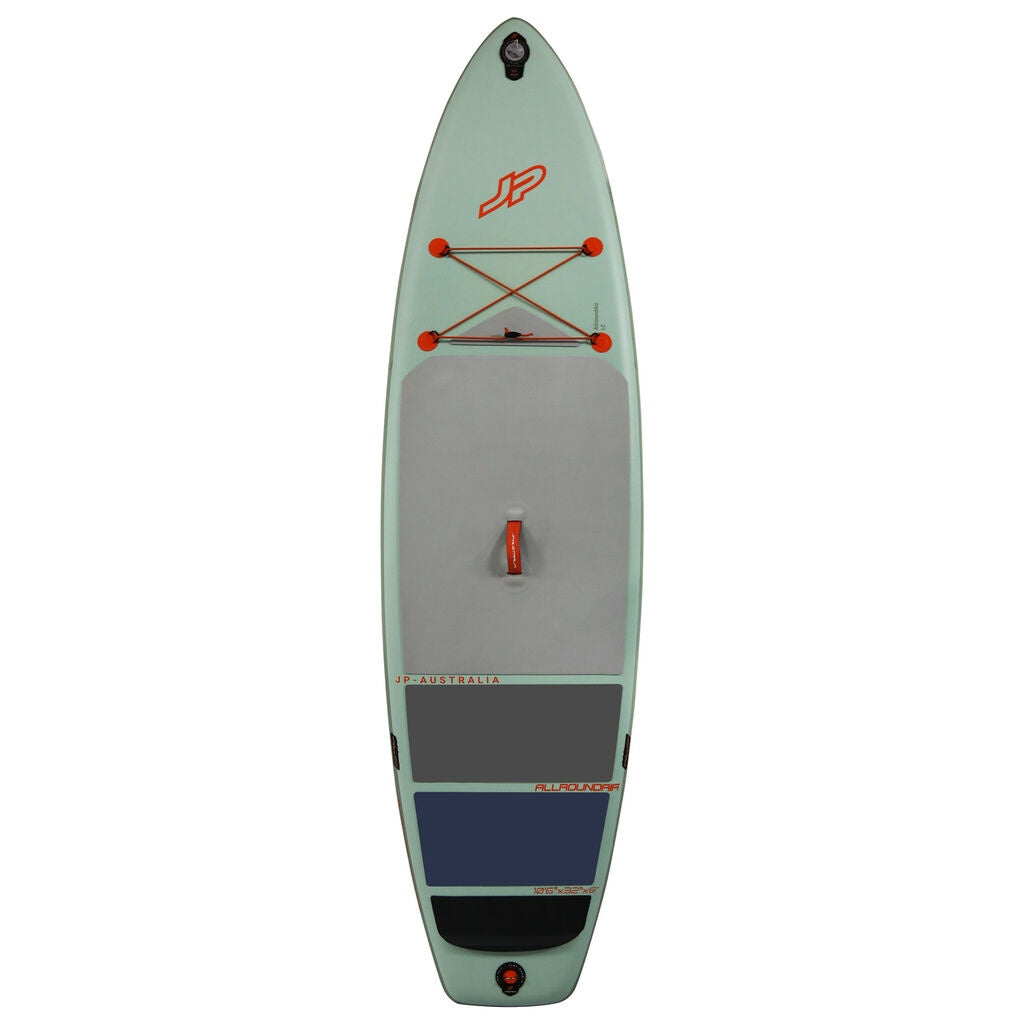
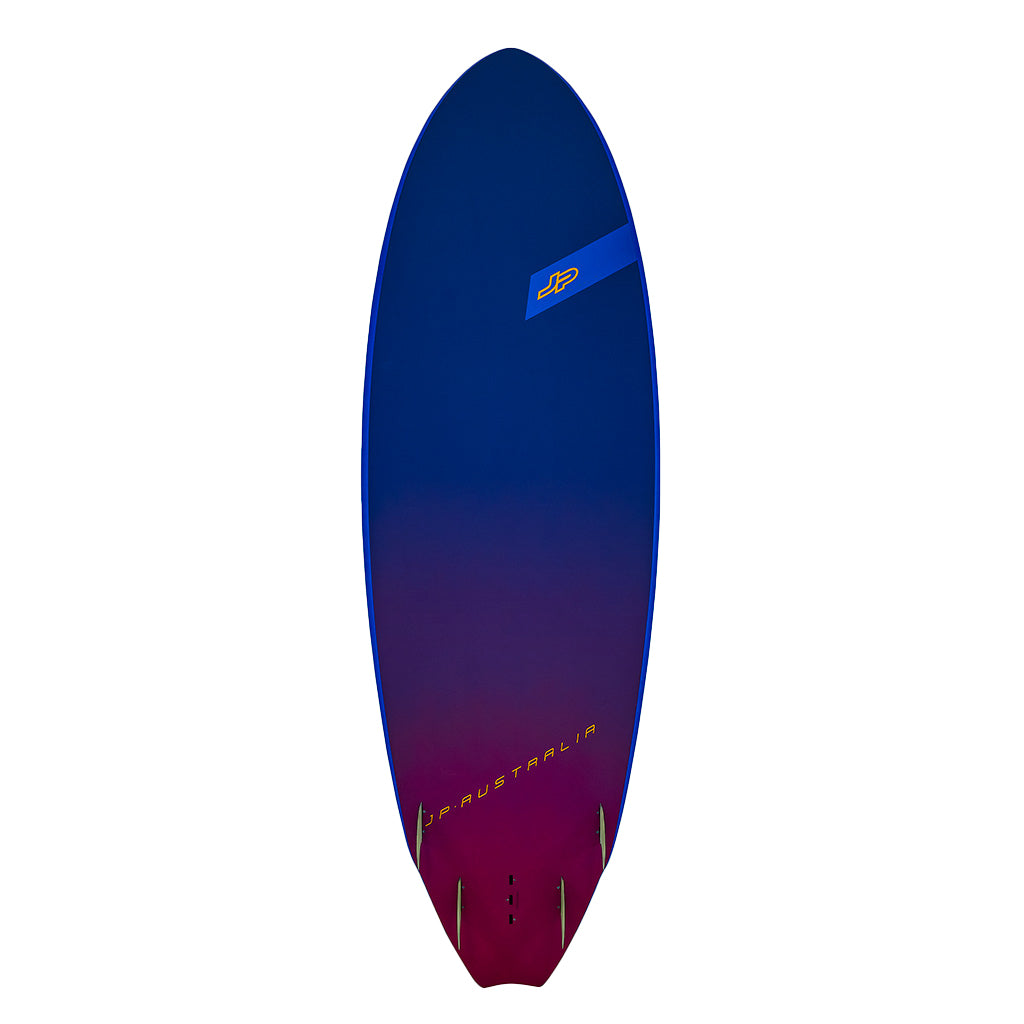
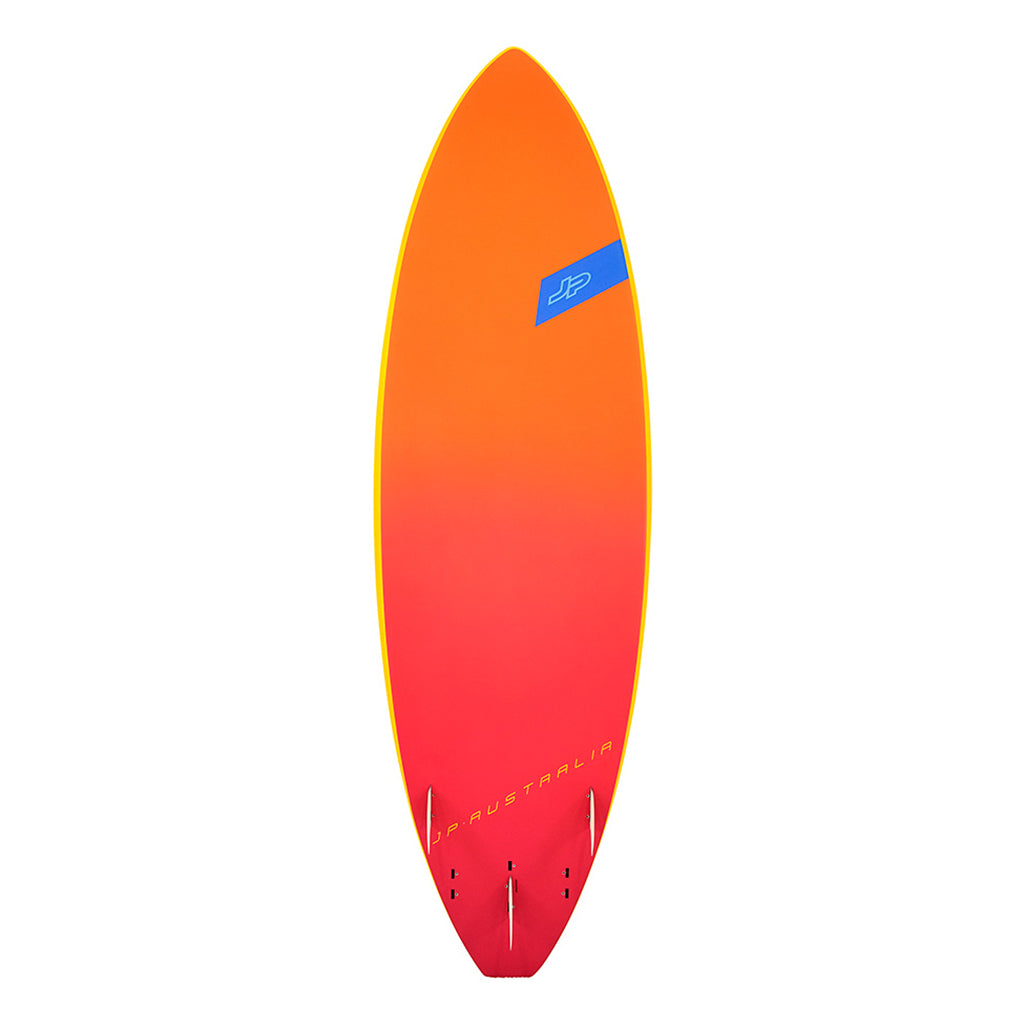
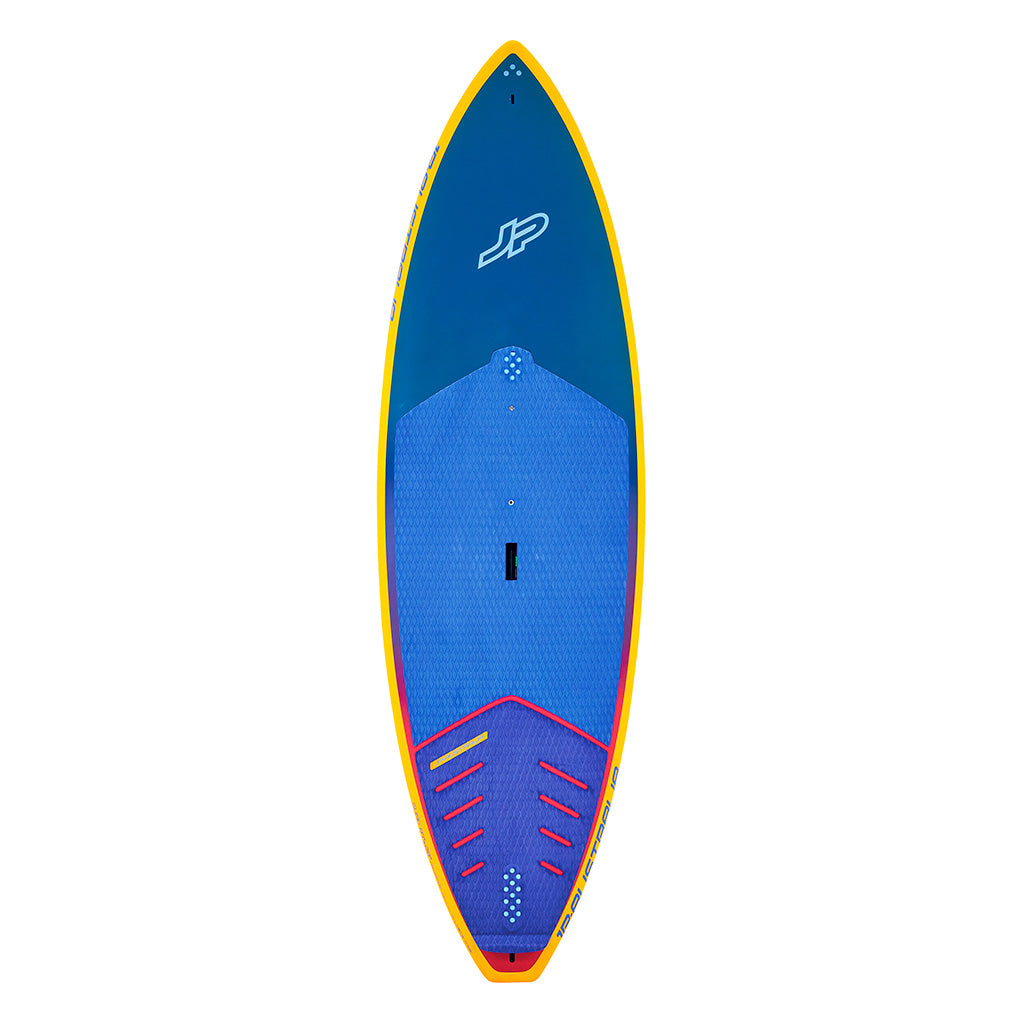
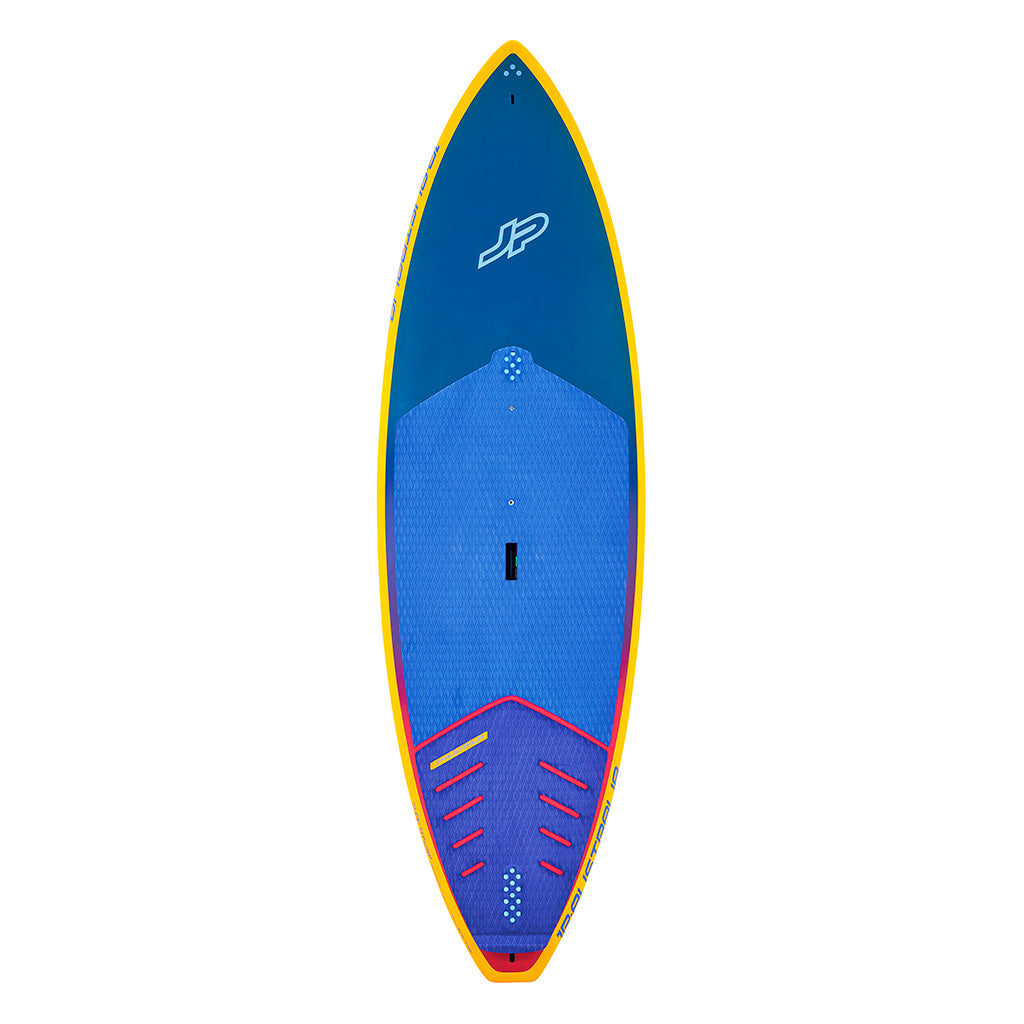
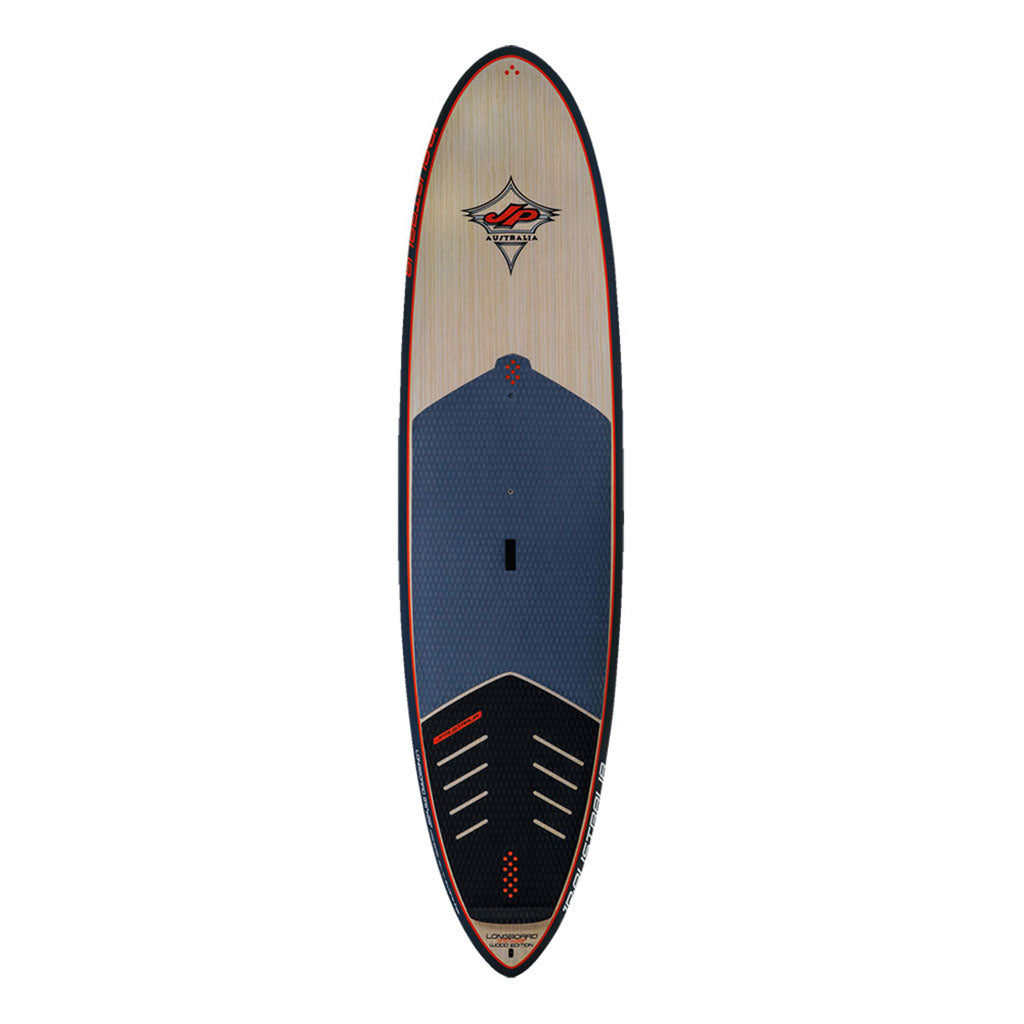
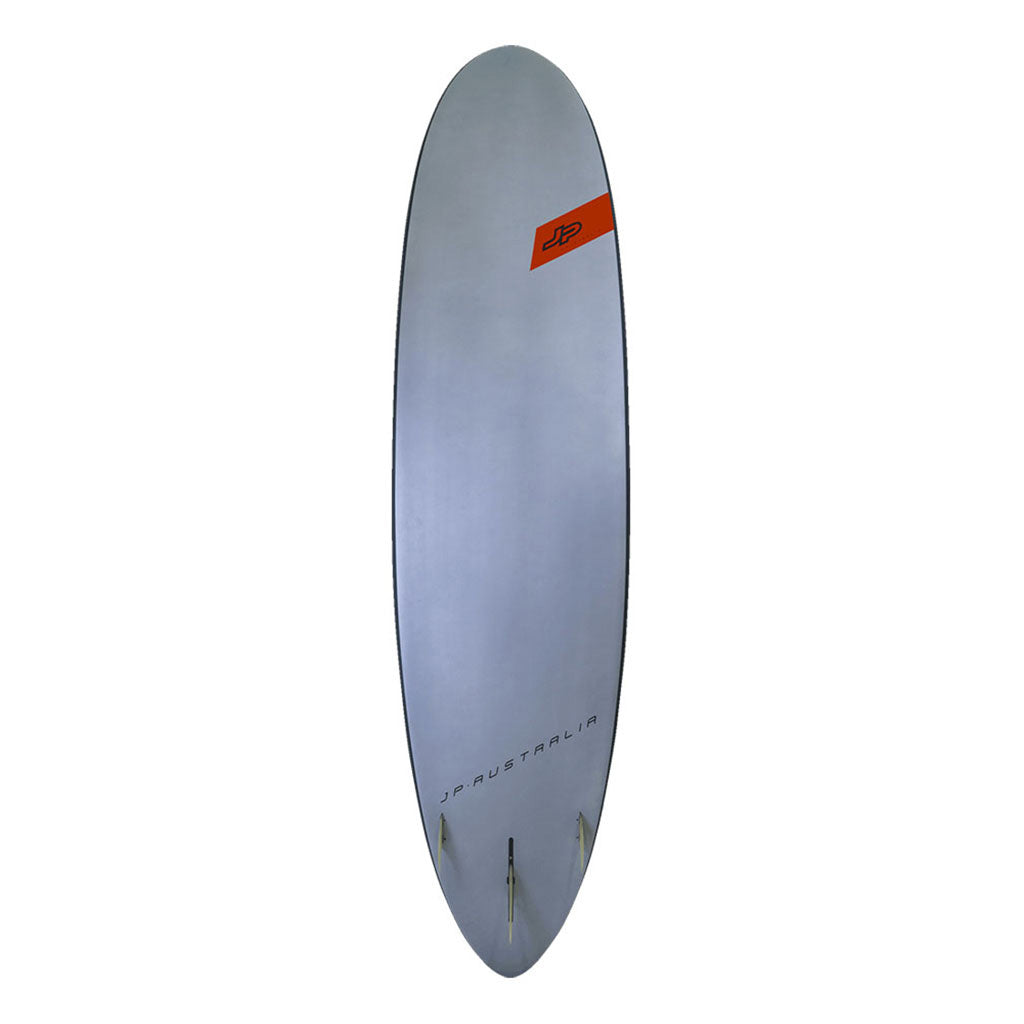
At One Open Sky, we have a huge selection of SUP boards, paddles, accessories, and whatever else you need for a good session on the water. We sell the best brands and have personally tested the models we have in stores! We have boards and paddles from Naish and JP Australia, both of which are among the leaders in race, waves, and recreational stand-up paddling.
SUP boards, also known as Stand Up Paddle boards, are one of the fastest-growing water sports in the world. With their versatility and simplicity, they attract both beginners and experienced enthusiasts. Whether you want to take a leisurely trip on the lake or surf the waves, a SUP board is the ideal choice.
It is important to choose the right SUP board that fits your needs and skills. Inflatable SUP boards are practical as they can be easily transported and require less storage space. On the other hand, solid SUP boards offer better stability and performance, especially when you challenge different water conditions.
Regardless of your choice of SUP board, whether it's for general use or specifically for sup yoga, it's important to invest in quality. Materials like epoxy and PVC are often used to construct high-quality SUP boards. This gives them durability and ensures they can withstand wear and tolerate long-term use.
So whether you're a beginner or an experienced surfer, there is a SUP board out there that can give you the ultimate water sports experience. Find your next SUP board and start exploring the water in a whole new way!
Types of SUP boards
SUP boards come in many types, lengths, widths, and thicknesses. It can quickly feel like a big jungle to navigate as many boards resemble each other on several parameters, but then have a point that makes them vastly different, targeting a completely different audience. Below we have outlined the 5 typical board types, so you can more easily sniff out what is right for you to look for.
Inflatable Paddle boards - Practical and versatile SUP boards
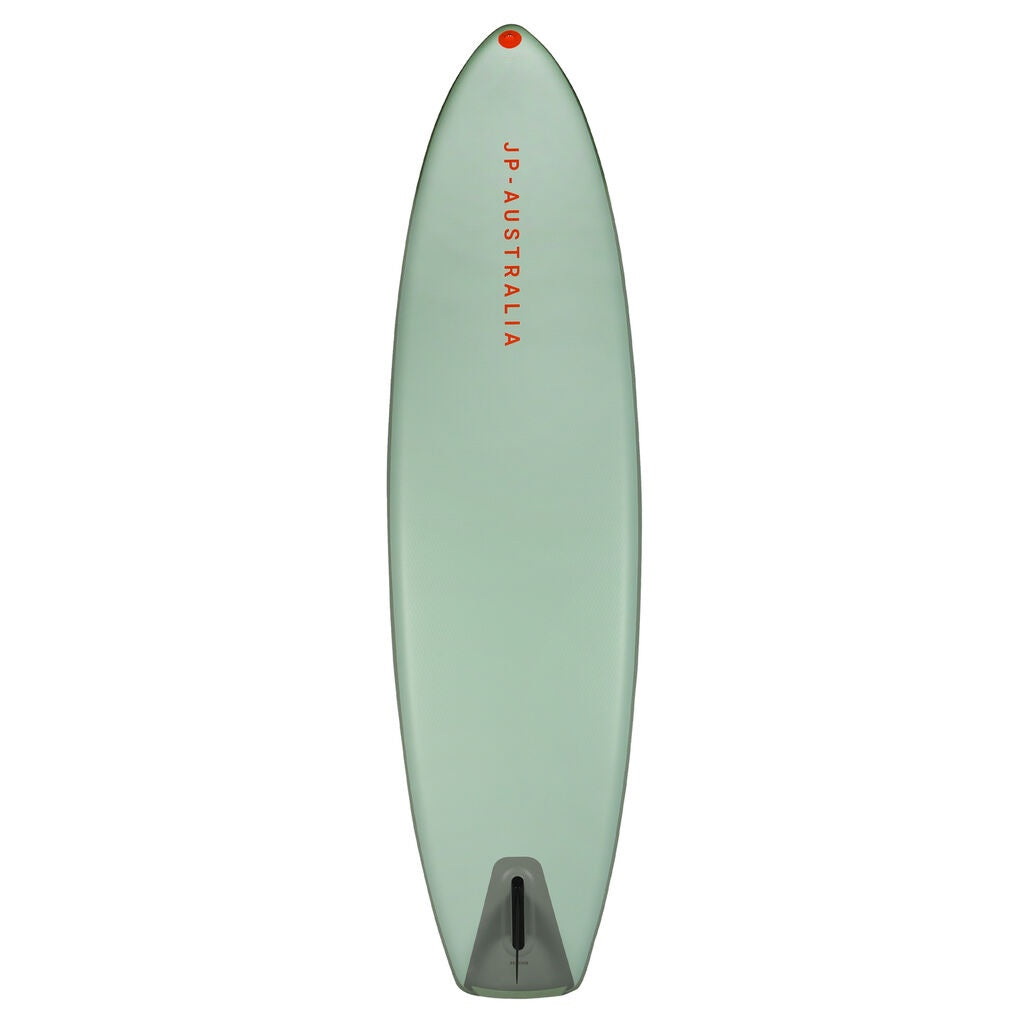
Inflatable Paddle boards, also known as inflatable SUP boards, are a popular type of SUP board due to their practical design and easy transport options. These boards are made of durable PVC material and can be easily folded and stored in a bag after use.
Inflatable Paddle boards are ideal for beginners and for those who want to take their board on travels or adventures, as they don't take up much space and are easy to transport. They can be easily inflated and are ready for use in minutes.
These boards are also known for their stability on the water, which makes them suitable for relaxed paddling and beginners who want to get to know the sport. They are more forgiving when it comes to kneeling or falling on the board, making them ideal for family use and fun on the water. Whether you want to explore lakes, rivers, or the coastline, an inflatable Paddle board is a versatile choice that allows you to enjoy nature and water sports in a convenient and fun way.
Allround Paddle board
As the name suggests, aallroundSUP is used for a bit of everything. So if you're unsure about which type of sailing you're most into or if you just want a board that can be used for a bit of everything, you should choose an allround board. An allround board has a shape like a classic longboard surfboard and is typically between 10-12 feet long and has a width of 30” - 32” (A SUP's dimensions are in inches when we talk about width and in feet when we talk about length). The length provides directional stability, while the width gives good stability when you paddle. An allround board can thus be used for leisure and touring on flat water but also functions as a classic surfboard and can guarantee hours of fun in small to medium waves. If the board is mainly for beach play and leisure with the family, this is also the category to look into. However, a larger and beginner-friendly wave board with a length between 9’5” – 11 feet and a width of 32” and above can also make good sense. The extra width and large volume provide plenty of stability, especially if the board needs to carry multiple people at the same time. An allround paddle board is therefore a versatile and practical solution that allows you to enjoy various forms of paddle surfing and activities on the water.
Touring Paddle board
If you primarily need the board for trips on flat water, along the coast, or on the sea, you should choose a board with a "pointed" bow, that is, a shape that resembles a kayak. The pointed bow breaks the surface so the water is pressed down along the side and creates a more efficient glide. To cut through the water as best as possible,touringand race boards are often longer and narrower than a traditional longboard shape, which makes them faster but also less stable to stand on. The board should be 12'6-14 feet long, and if you're a beginner, we recommend a width from 28” to 32".
Wave Paddle board
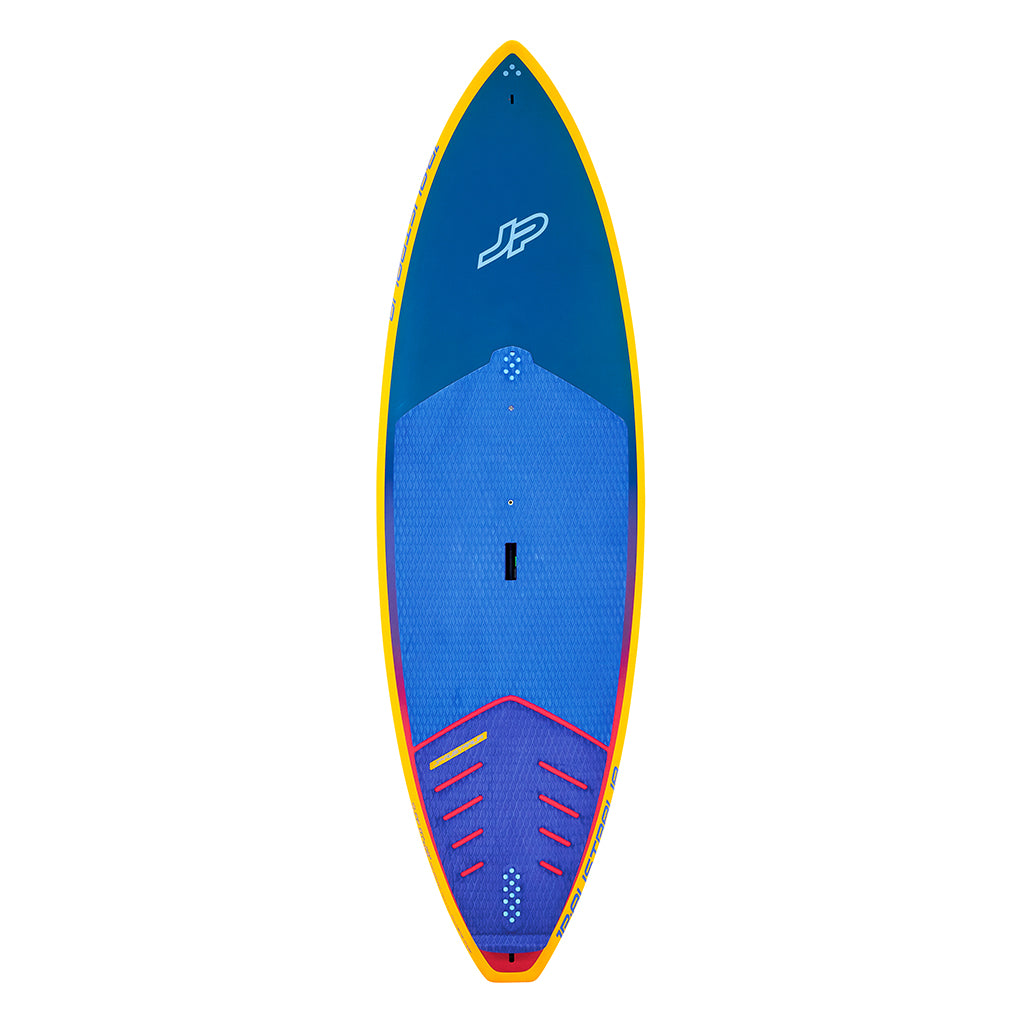
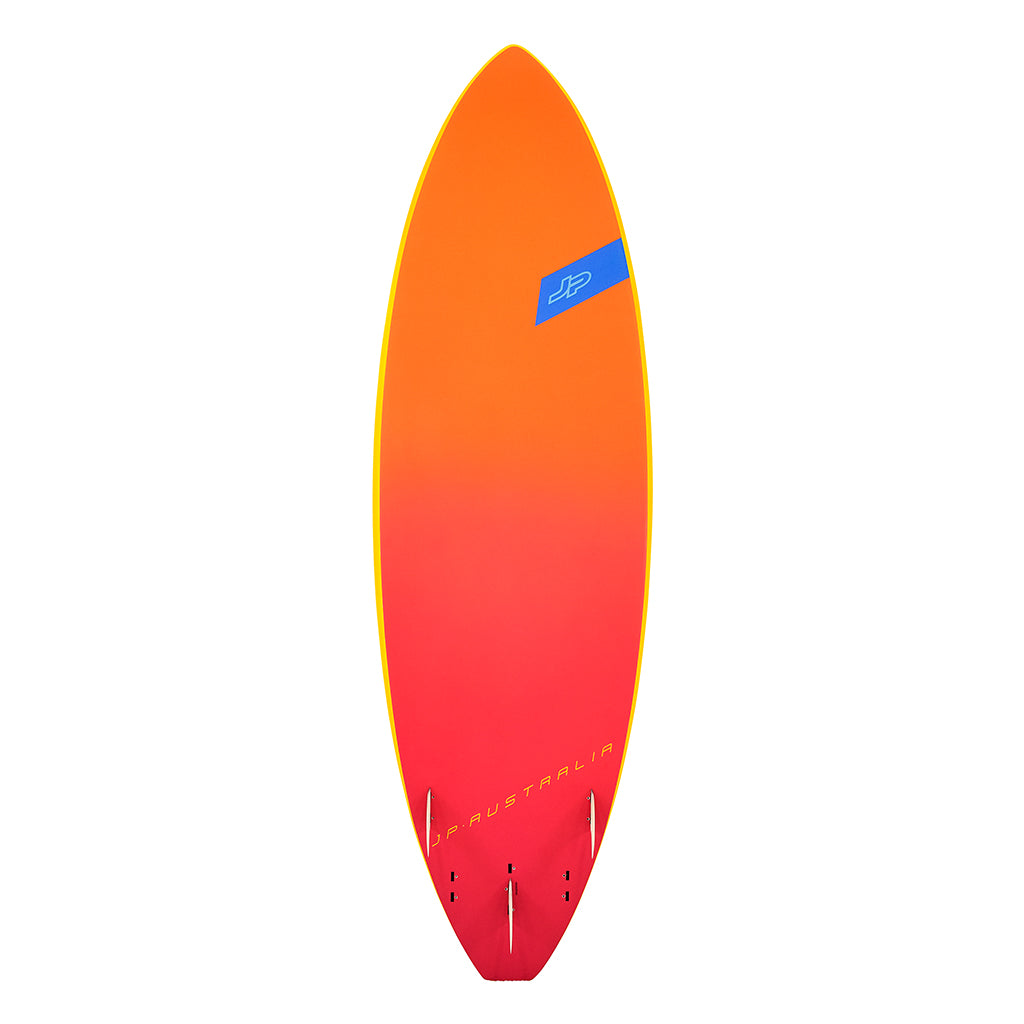
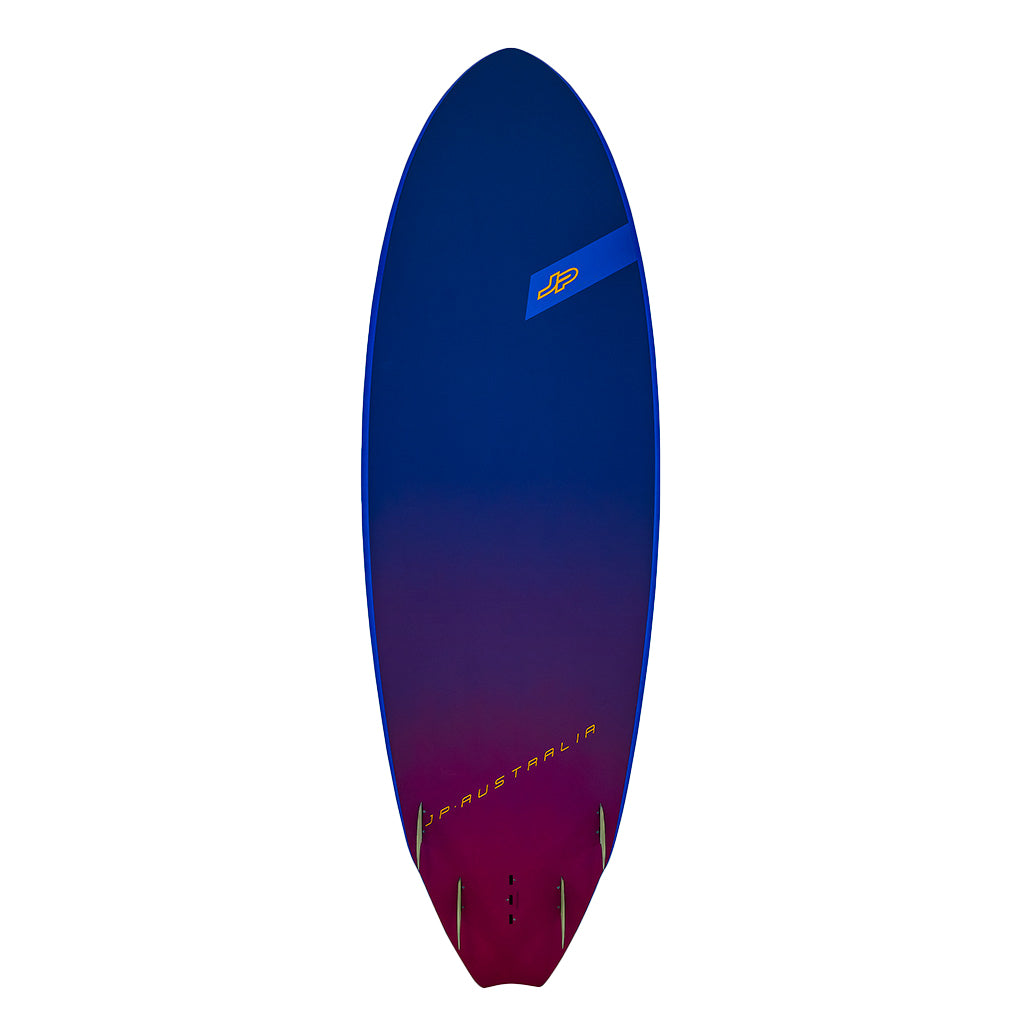
If you enjoy playing in the waves, we definitely recommend a SUP made of fiberglass, carbon, or wood construction. These materials provide the board with the necessary stiffness and responsiveness that are crucial for maneuvering effectively in the waves. An inflatable SUP would be too soft and not provide the same control and stability. The shorter the board, the quicker it can maneuver, but it will also be harder to control and maintain balance on. If you prefer shortboards, we recommend that a beginnerwave boardis not shorter than 8'5 feet. The width should preferably be over 30". If you are more into the longboard style, the length can be around 9'5 feet, with the width still being around 30". Regardless of which style you prefer, it is important to choose a board that fits your skills and preferences, so you can get the most out of your wave surfing experience. It's important not to confuse a wave board with a general surfboard. Instead, it is another type of board designed 100% for paddleboarding.
Race Paddle board
If you are into competitions, then it is arace SUPyou should look for, preferably in carbon to achieve the best performance. In competitions, there are typically two classes. The 12'6 class is used for BOP (Battle Of the Paddle), where it's about being the first to get through the surf and around some buoys. Here, the length of 12'6 feet is ideal. However, most competitions are held with 14-foot SUPs, and therefore, that is the length we would recommend for all other instances than BOP competitions. The narrower the board, the faster it will be, but it can also become so narrow that it becomes difficult to maintain balance. It's important to find a balance where you can maintain both speed and stability. Therefore, we recommend that you initially do not go under 26" in width for racing on flat water and under 28" for racing in open water. By choosing the right race SUP board, you can optimize your performance and compete at a high level.
Should my new SUP board be solid or inflatable?
There are advantages and disadvantages to both, but as a rule, a solid board is better than an inflatable board. The solid models are stiffer and glide faster through the water. However, there are also many advantages to an inflatable SUP board. It weighs less and is easier to carry. It is easy to store and transport and is also more forgiving to learn on, as it is nicer if you need to sit on your knees or fall onto the board. There are also inflatable boards that come so close to the solid models in stiffness and rigidity that it's hard to tell the difference when you sail on them. These boards, however, are made in special and better constructions than most “package boards” and are therefore also more expensive and have a price closer to a solid board, but the quality is also significantly better.
If you want to use your board for more than just relaxation and play, but have an ambition to go on tours, sail fast, or experience how easy and fun it is to surf waves on a SUP board, we would undoubtedly recommend a solid board. Of course, it requires that you have space to store it and the ability to transport it on the roof of your car, or carry it to the water if you're lucky enough to live close by.
Advantages of a Solid Stand up Paddleboard
A solid board sails faster, is more stable, and much less sensitive to ripples/waves on the water and wind. It can be used in more conditions where an inflatable board would fall short. A solid SUP is as we know them from their classic form, originating from surfboards. Almost all solid SUPs are built around a foam core with a protective shell. This shell can be made from fiberglass, kevlar, plastic, wood, or a combination of these. A solid SUP provides the opportunity for a stiff board that has better and faster glide through the water.
Advantages of an Inflatable Stand up Paddleboard
Inflatable SUP boards, Air SUPs, or iSUP boards (a beloved child has many names) have evolved tremendously in a short period. Today, a good inflatable SUP board can be almost as stable and fast as a solid SUP board. An inflatable board is incredibly durable and made to withstand hits and dings from your paddle. If you are unlucky enough to sail onto a rock, normally nothing will happen to an inflatable SUP, as any "dents" will pop back out. Likewise, inflatable boards have the advantage of being packable, fitting inside a microcar, and requiring little storage space.
Accessories for your SUP trip
But enough about which type of paddleboard will suit your needs best, there are many more delightful details to consider when selecting your set. If we start with the paddle, you may also consider including SUP yoga in your training, as it can enhance your balance and strength.
Which SUP paddle should I choose?
After the board isthe paddleThe next thing to think about. Many actually say that the paddle is more important than the board - consider that you're holding it in your hands all the time and it's the paddle that gives all forward motion.
Paddle size
There is a big difference in both the blade size and the shaft length and flex. The paddle blade should match your size (how much strength you have) and what you will use it for. A paddle with a smaller blade has a higher cadence and can be compared to a low gear on a bicycle. This is an advantage if you're paddling longer distances or want less resistance and thereby use less energy per paddle stroke. Conversely, a larger blade gives faster acceleration and more forward motion, allowing you to sail faster. This is particularly advantageous for sprinting short distances or SUP in waves, where you want a quick explosive force when catching waves, but typically don't paddle as many strokes as when you're touring.
The length is naturally also important in relation to your height, but it also varies depending on what you will use the paddle for. As a starting point, a paddle should be about 20 cm longer than your height for waves and about 40-50 cm longer for flat water (touring and racing), but there can also be individual preferences. If you're unsure which length suits you, we recommend getting an adjustable paddle so you can easily find the length that suits you best before acquiring a fixed-length paddle that needs trimming.
Fixed paddles vs adjustable and 3-piece paddles
A fixed paddle is cut to length and adjusted to your height and use (on flat water and for touring, you will want a longer paddle than for waves). It thus fits you perfectly, and you get a paddle with a "clean" flex without joints that can seem awkward.
An adjustable 2-piece paddle can vary in length. You can therefore make the paddle longer or shorter. It is ideal if you know the paddle will be used by several different people, or if you want to use the same paddle on flat water and in waves. Furthermore, it takes up less space than a fixed paddle, as you can push the upper part of the shaft all the way down when you are not using it.
A 3-piece adjustable paddle is ideal if you need to be able to pack the paddle so that it takes up as little space as possible. However, the joints will always slightly alter the paddle's flex and thus make it a bit inferior to a fixed paddle.
The quality of the paddle
A quality paddle is typically made of 100% carbon and with a dihedral V in the blade. This is to stabilize the blade's stroke through the water. However, to start with, one can easily choose a fiberglass paddle to save a bit of money on that account. We only recommend plastic/aluminum paddles if it is purely a toy.
FEJL_667521057103
FEJL_667521057103FEJL_667521057103FEJL_667521057103FEJL_667521057103****
Life jacket
It is a legal requirement to bring an approvedlife jacketwhen using a SUP board. If you do not bring the jacket, you risk not only a fine (which is significantly more expensive than most jackets), but you also compromise your safety. Therefore, we always recommend using a life jacket. If you find the jacket heavy and cumbersome, there are alternatives such as Spinlock Alto - an inflatable flotation ring/jacket approved as a life jacket.
The wetsuit
The wetsuitis an important part of any water sport, and is the 100% obvious choice for those days when the sun is shining, but the weather isn't quite right for just a swimsuit/bikini and a pair of swim shorts.
The Danish summer can be unpredictable, but the warmth always returns, and it can actually be a bit too warm if you're only wearing a 5 mm wetsuit. StandUp Paddle is an active sport, and if the weather is 14°-18°, it becomes too warm for many in a neoprene suit over 3 mm. If you feel the heat makes it unbearable in a closed neoprene suit, then there are also options in a Long John. Long Johns have no sleeves, so they allow for extra cooling around the shoulders on warm summer days. Alternatively, you can get into a shorty with short sleeves and legs, or just a Rashguard / Lycra shirt to take the sun. A Lycra shirt has a UPF value of 50+, which means that only 2 percent of the sun's UVA and UVB rays penetrate the clothing. The Lycra is always worth bringing on the SUP trip, especially if you feel a bit extra sensitive to the sun's rays.
If you also practice the sport on cold winter days, then a 5 mm neoprene suit is highly recommended. It sounds like very little, but those few mm can actually make the difference between a cold or warm ride on the water.
Frequently asked questions about SUP boards
Here are some of the most common questions about SUP boards that we encounter during a season, and their answers.
What is an all-round paddle board?
An all-round paddle board is a versatile type of SUP board that can be used for various forms of paddle surfing. It's ideal if you're unsure about which branch of the sport you prefer, or if you just want a board that can be used for a bit of everything.
What is the difference between an inflatable and a solid SUP board?
An inflatable SUP board is easier to transport and store and is more forgiving to learn on. A solid SUP board, on the other hand, is faster, more stable, and better suited for choppy water and wind, as well as having better performance and experience in itself.
What is a touring SUP board?
A touring SUP board is designed for trips on flat water, along the coast, or at sea. It has a pointed nose that provides a more efficient glide through the water and is often longer and narrower than an allround SUP board.
What is a race SUP board?
A race SUP board is intended for competitions and typically has a length of either 12'6" or 14'. It is narrower and faster than other types of SUP boards and is ideal for achieving high speed on flat water. Race boards are typically in a higher price range as the construction and materials are more exclusive.
What is a wave SUP board?
A wave SUP board is designed for surfing waves. It can be shorter for quick maneuvering or longer to emulate a classic longboard.
What is the recommended width and length for a beginner wave board?
For beginners, it is recommended to choose a wave board with a length of at least 8'5" and a width of over 30". This provides stability and control while you learn to surf on the waves.
Is an inflatable SUP board suitable for competitions?
Generally, it is recommended to use a hard SUP board in competitions as it provides better performance and stability. However, an inflatable SUP board may be suitable for smaller competitions or beginners who wish to participate in lower levels of competition but do not have the option to store a hard board.
What are the advantages of a carbon SUP board?
A carbon SUP board is lightweight and rigid, which provides higher speed and performance. It is ideal for competitions or paddle surfers who want performance, meaning if you wish to achieve the best performance on the water.
Remember that the choice of SUP board depends on your preferences, skill level, and the type of surfing you want to perform.
What is the best paddleboard?
The choice of the best paddleboard depends on your individual needs and preferences. There are several factors you should consider before making your final decision. Here are some of the most important things to take into account:
- Usage: How will you primarily use the paddleboard? Is it for surfing waves, leisurely paddling on lakes, or as a fitness tool for training? There are different types of paddleboards that are specialized for different purposes, so it is important to choose a board that suits your primary activity.
- Stability: How stable do you want the paddleboard to be? If you're a beginner, it might be a good idea to choose a board with extra width and stability, as it will make it easier to balance and stand upright on the water. Experienced paddlers may prefer a slimmer and more maneuverable board.
- Length and shape: Paddleboards come in different lengths and shapes, which also affect the options for activities like SUP yoga. Generally, the longer the board, the faster it will be on the water, while shorter boards offer better maneuverability. The shape of the board can also affect its performance. Wider boards are better for stability, while narrower boards are more suitable for speed.
- Materials: Paddleboards can be made from various materials, such as inflatable PVC boards or traditional epoxy-laminated boards. Inflatable boards are practical as they can be folded and easily transported, while epoxy, fiberglass, carbon fiber, and other hard boards are generally more durable and performance-oriented.
- Budget: Of course, you must also consider your budget, as paddleboards can vary in price. It's important to find a balance between price and quality so you get a board that fits your needs without breaking the bank. Remember, the best paddleboard for one person is not necessarily the best for another. That's why it's important to do your own research, and you're more than welcome to contact us for guidance on which board we would recommend. By taking the above into consideration, we can find the best paddleboard that suits your needs and gives you a fantastic experience on the water.