Wing Foil
Wing-foil combines the best of windsurfing, kitesurfing, and traditional wave surfing. The result is the feeling of gliding effortlessly over the water's surface. One Open Sky has everything you need for wing-foil, whether you are a first-time buyer or it's time to upgrade the old equipment.
As the wind breathes life into a still sail, we also seek freshness.
However, the challenges of starting a new sport can seem as overwhelming as waves on the open sea.
Wingfoil introduces a fusion between the energy of the wind and the elegance of the foil, where beginners face the demanding wave of learning to master the 'wing' – a crucial component that guides them through the realms of the water.
Basics of wing foiling
Wing foiling is a highly dynamic sport that combines elements from windsurfing and kiteboarding. What makes the sport unique is that practitioners stand on a board with a hydrofoil underneath and use a handheld inflatable wing to catch the wind.
Getting started with wing foiling requires specific equipment, including a wing, board, and foil. These components need to work in synergy so the athlete can achieve the sensation of hovering above the water's surface while maintaining maneuverability and control.
When choosing equipment, it is essential to consider individual factors such as weight, experience, and personal preferences. This ensures the best possible experience and progression in the sport of wing foiling.
What is wing foil
Wing foiling is an innovative water sport where an inflatable wing is controlled by hand to harness the power of the wind. This propels a board with an attached hydrofoil forward.
Through the foil, you will rise and hover above the water, increasing speed and maneuverability. The result is a flying sensation over the water's surface.
Wing foiling combines the playfulness of surfing with the unlimited energy of the wind.
The necessary gear includes a wing, board, and foil, all of which must work in harmony. When these are aligned, you are ready to explore the horizons with new intensity and perspective.
What is the difference between wind foil and wing foil?
Wind foil does not use a handheld wing.
In wind foiling, also known as windsurfing with foil, the wind's power is harnessed via a sail attached to a windsurf board. While the board in wing foiling is smaller and more maneuverable, the wind foil board is generally larger and made to hold a full rig and foil. Therefore, wind foiling is more of an evolution of traditional windsurfing, whereas wing foiling represents a completely new discipline combining elements from several water sports.
Wing foiling relies on a handheld wing.
In wing foiling, there is a direct grip on the wing—without a sail mast and boom—which allows for unique freedom and agility. This makes the sport less equipment-intensive and more accessible, as you do not need to worry about handling a rig. Wing foiling is an additional development in water sports that utilizes modern hydrofoil technology to create an experience that feels like flying over the water.
Equipment for wing-foil
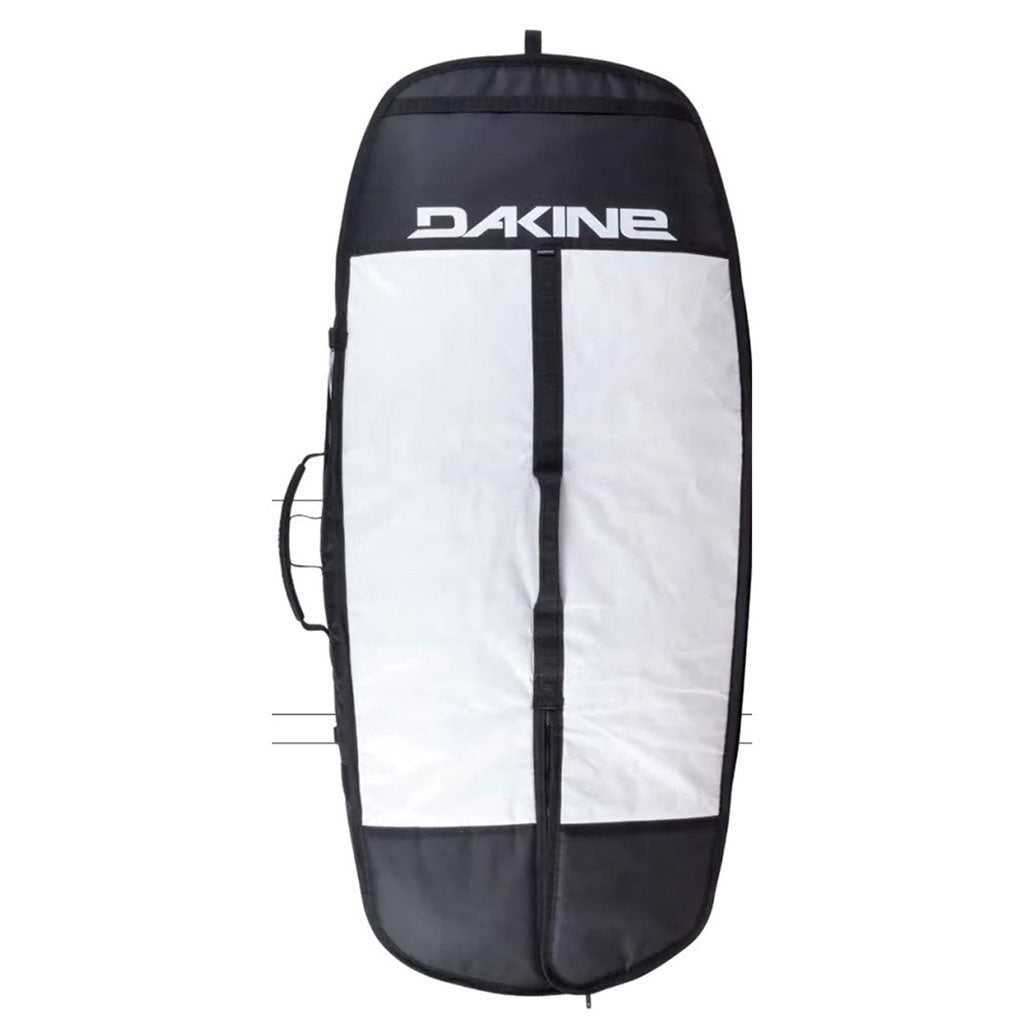
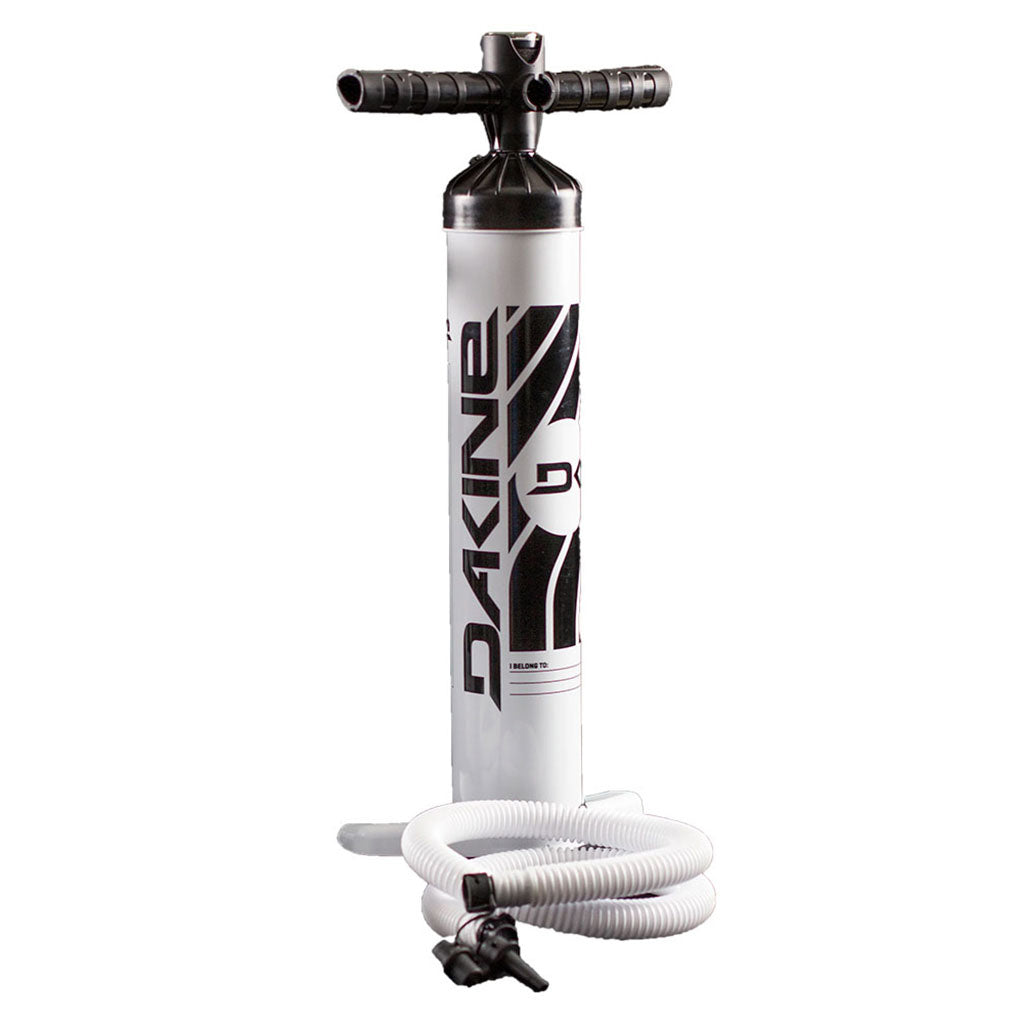
When venturing into wing-foiling, it's important to choose the right equipment that matches your level and ambitions. The most essential products include wing-foil boards, wings, foil systems, and various accessories. Boards are available in different sizes and materials, with beginners often choosing larger and more stable models, while advanced users may opt for lighter and more maneuverable boards. The wings vary in size and shape, affecting both speed and control on the water. The foil system - the actual "wing" under the board - comes in both aluminum and carbon fiber, with carbon fiber providing lower weight and higher performance. Additionally, you can find spare parts, bags, pumps, and safety equipment, all contributing to a better and safer experience on the water. It's recommended to consult with experts or experienced practitioners when choosing equipment, so you get gear that suits your needs and local conditions.
Wind conditions and tips for wing-foil
Wind is a crucial factor for your experience with wing-foiling. For beginners, it is recommended to start in moderate wind speeds of 6-10 m/s, where it is easier to control both the board and the wing. For lightweight practitioners or smaller wings, even slightly lower wind speeds may be sufficient, while advanced users can challenge themselves in stronger winds. It is important to learn to read wind direction and strength, as it affects both safety and enjoyment. Always check the weather forecast and choose locations with open access to wind and without too many obstacles in the water. Remember, wind conditions can change quickly, so be prepared and always bring the necessary safety equipment. With the right understanding of the wind, you can get the most out of your wing-foiling experience and develop your skills safely and effectively.
Selection of the right wing foil equipment
Selecting wing foil equipment requires careful consideration and knowledge of the equipment's function. The choice of wing, board, and foil must harmonize to ensure optimal performance andsafetyon the water.
When it comes to the wing, it is essential to choose a model that fits the weather conditions as well as the user's weight and experience. Both the size and shape of the wing affect steering and maneuverability, and professional guidance can be key to the right match.
The choice of board should strike a balance between volume and stability without sacrificing maneuverability. Experience, weight class, and ambitions should guide the decision regarding board dimensions to accommodate a progressive learning curve. If you are new to wing foiling and choose a board with too little volume, you may struggle to get up on the foil.
Wing: The heart of your wing foil experience
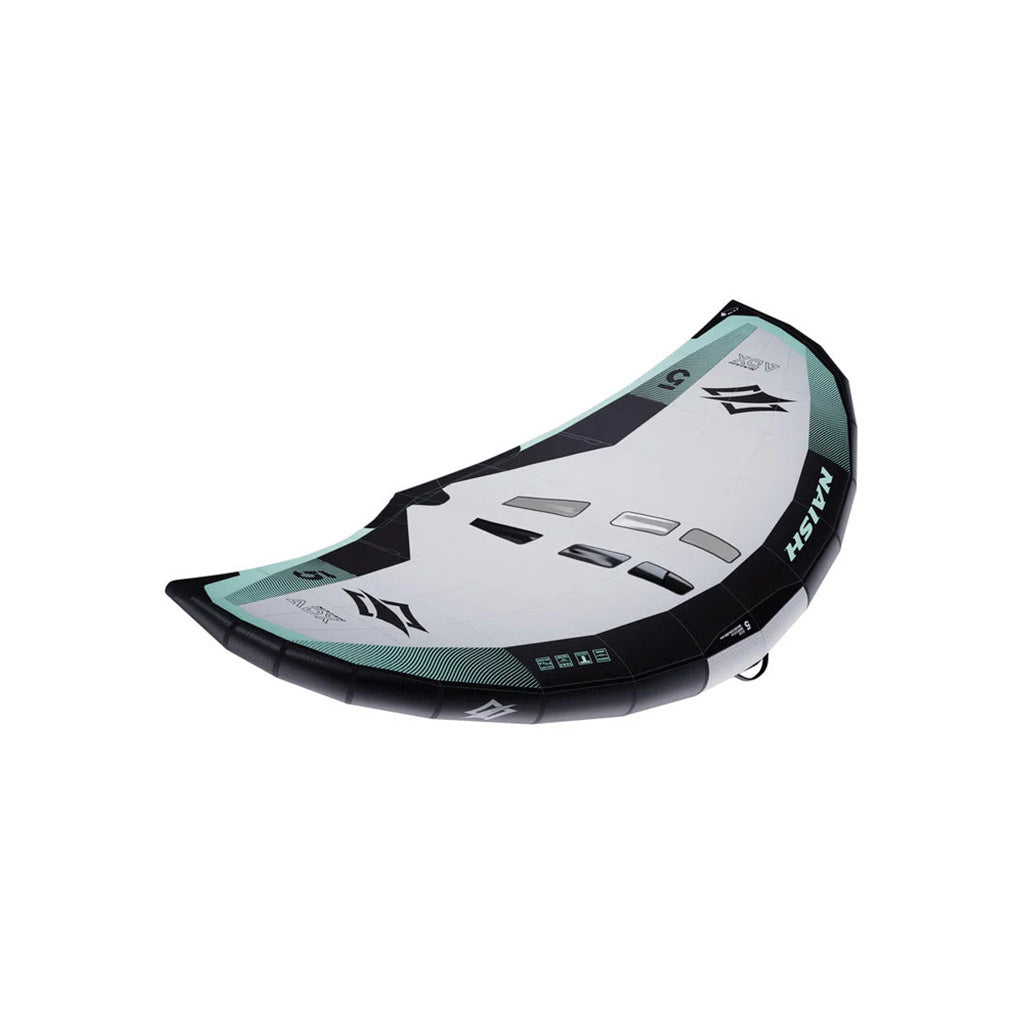
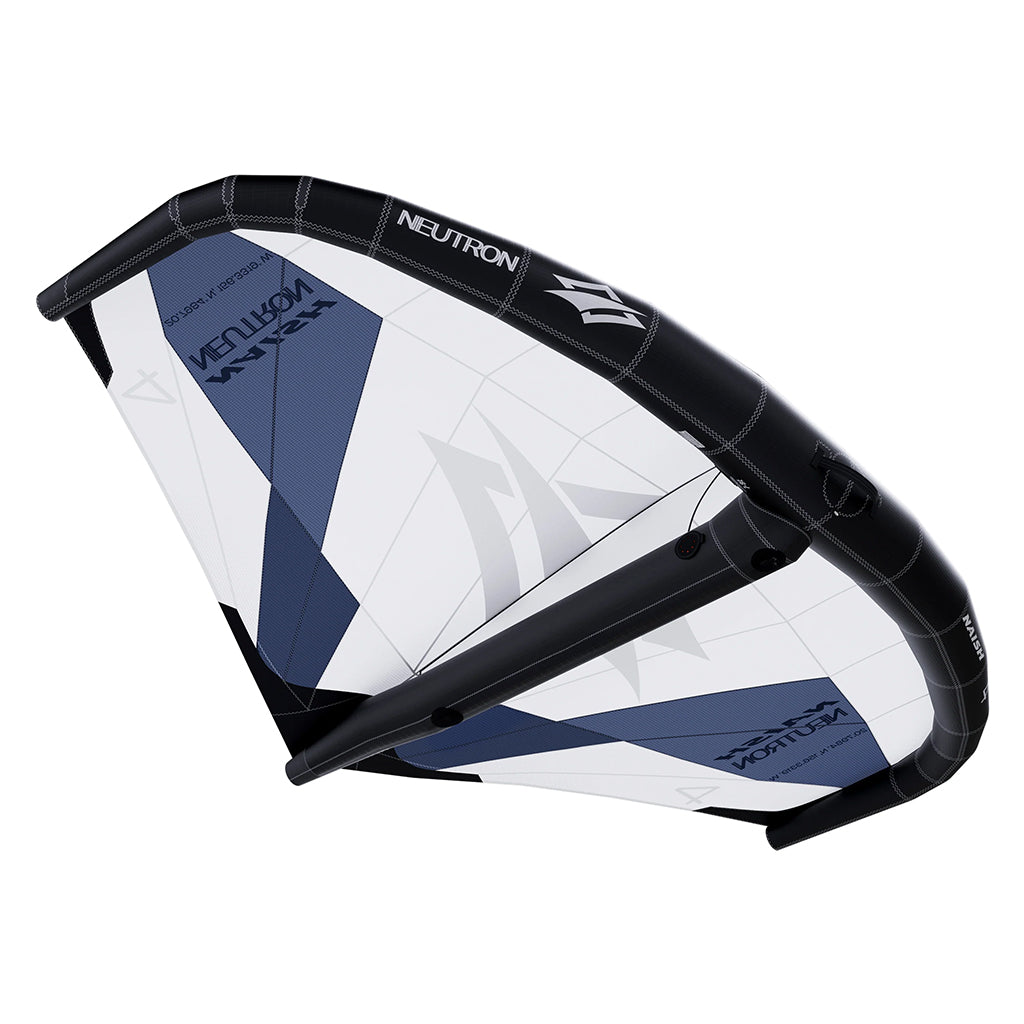
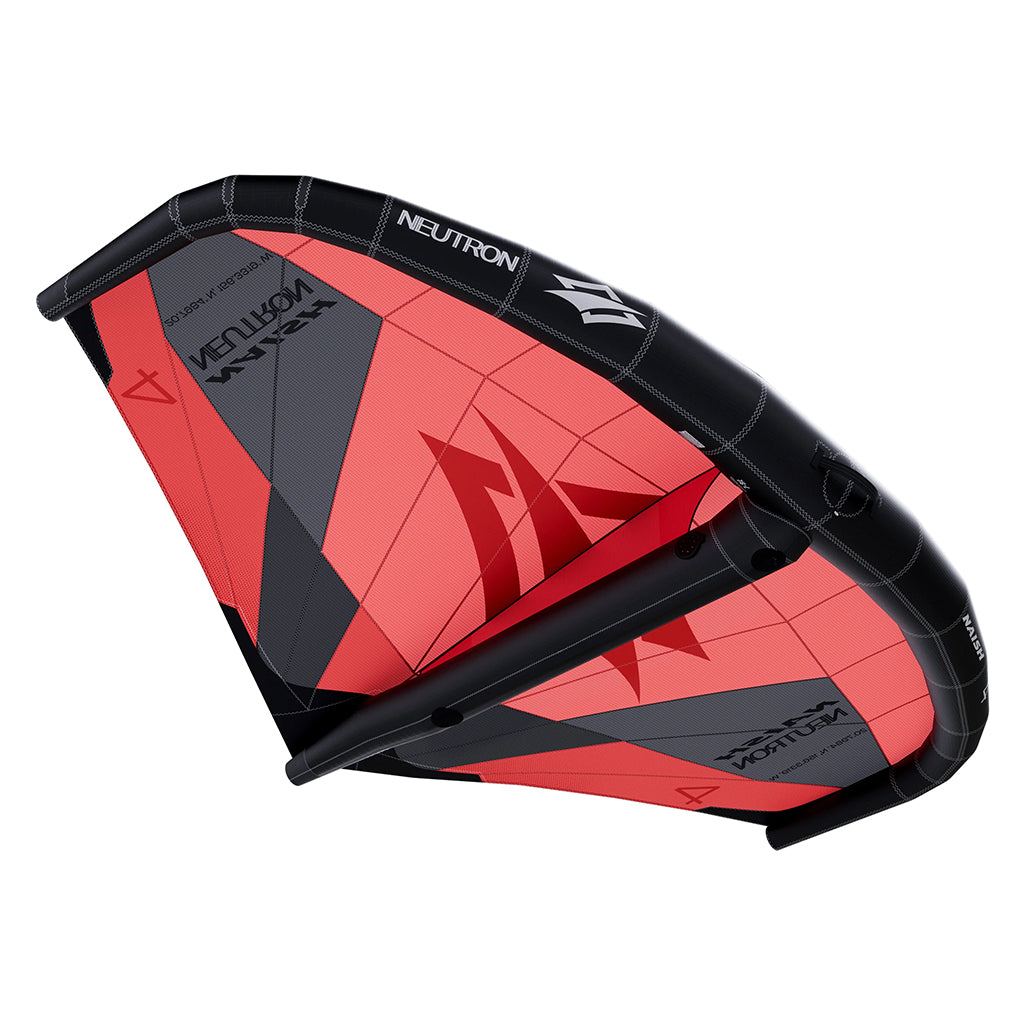
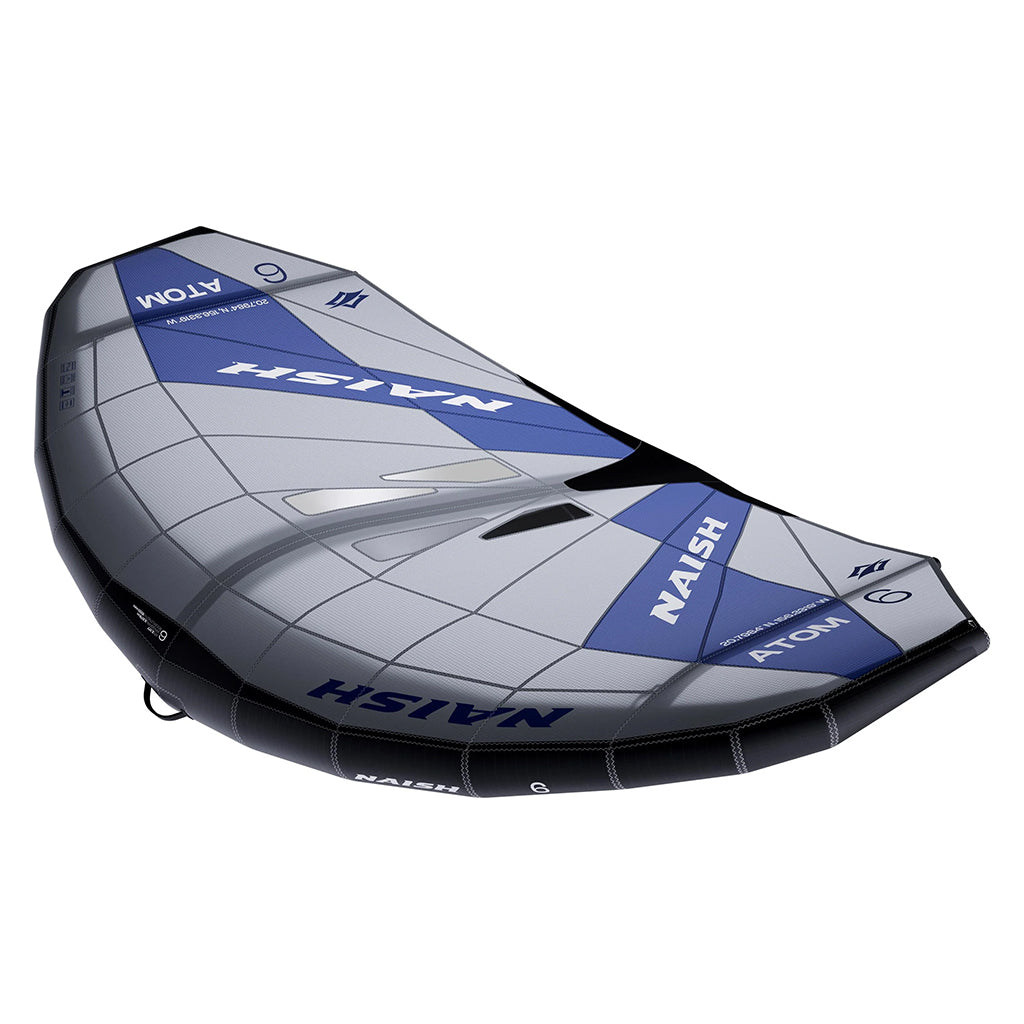
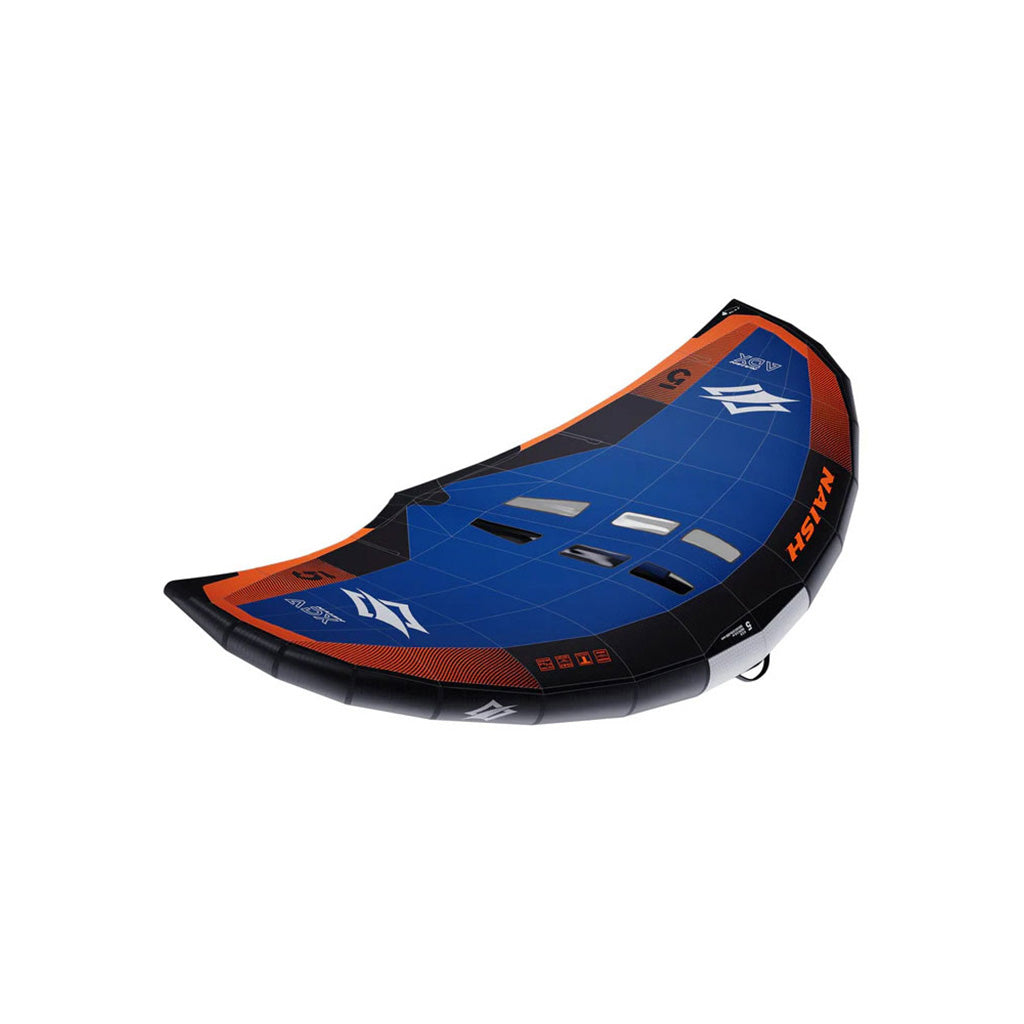
The wing is the very essence of wing foiling; its design and function are crucial for your interaction with the wind. It is through the wing that you convert the wind's power into propulsion and maneuvering on the water, thus creating the foundation for a dynamic and enjoyable experience.
A quality wing is characterized by its robust material and ability to deliver stable performance. Regardless of wind conditions, the wing's task is to ensure a smooth and controllable ride.
It is important to choose a wing that fits your individual needs, including your weight, experience, and the conditions you expect to encounter. A wing with appropriate lift and pull makes it easier to control the foil board and can help you handle breezy to more challenging wind conditions.
When investing in your wing, it is essential to pay attention to the details of its construction. Material quality, valve system, handle placement, and the wing's aerodynamic properties are all factors that can influence your experience. A top-quality wing enables you to explore the limits of wing foiling, from the early beginnings to technically advanced sailing. It is therefore a good idea to seek confidence in reputable manufacturers known for their ongoing innovation and commitment to the development of the sport.
The role of the board in wing foiling
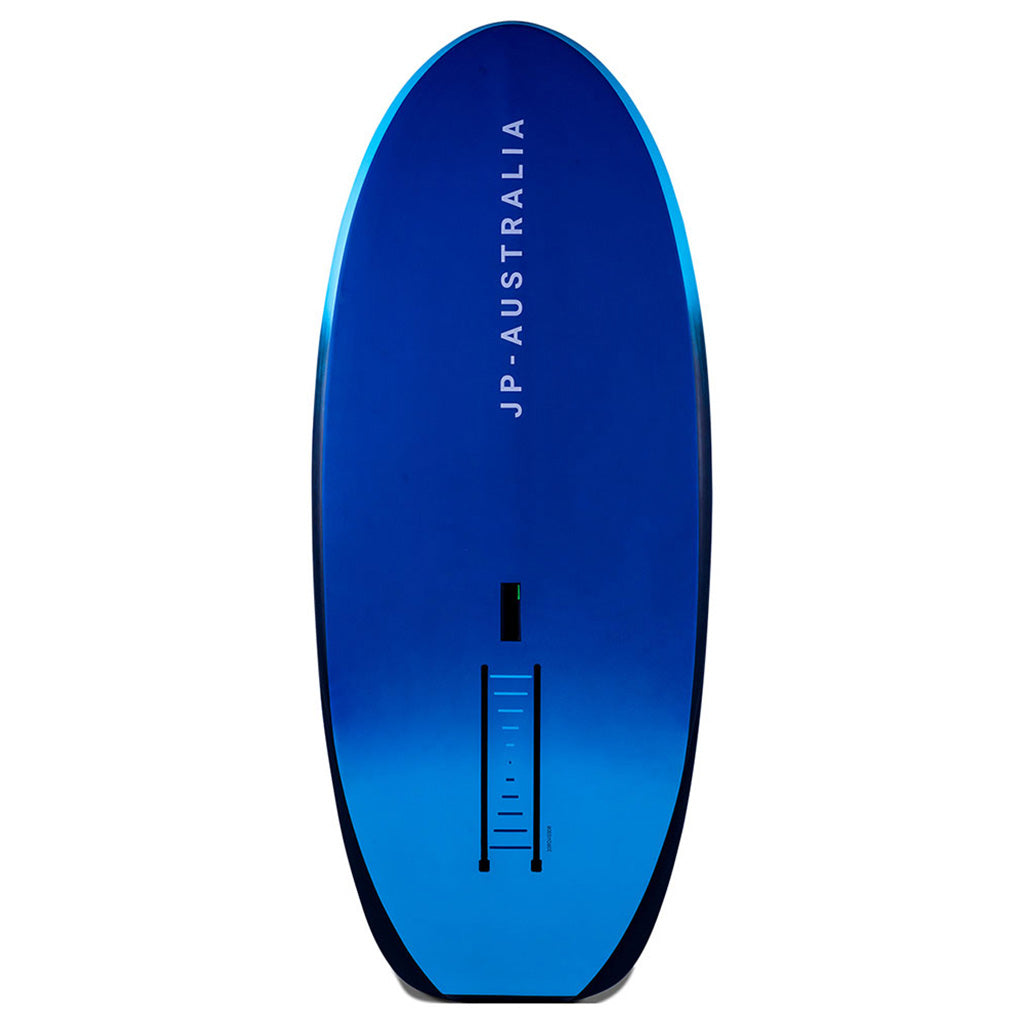
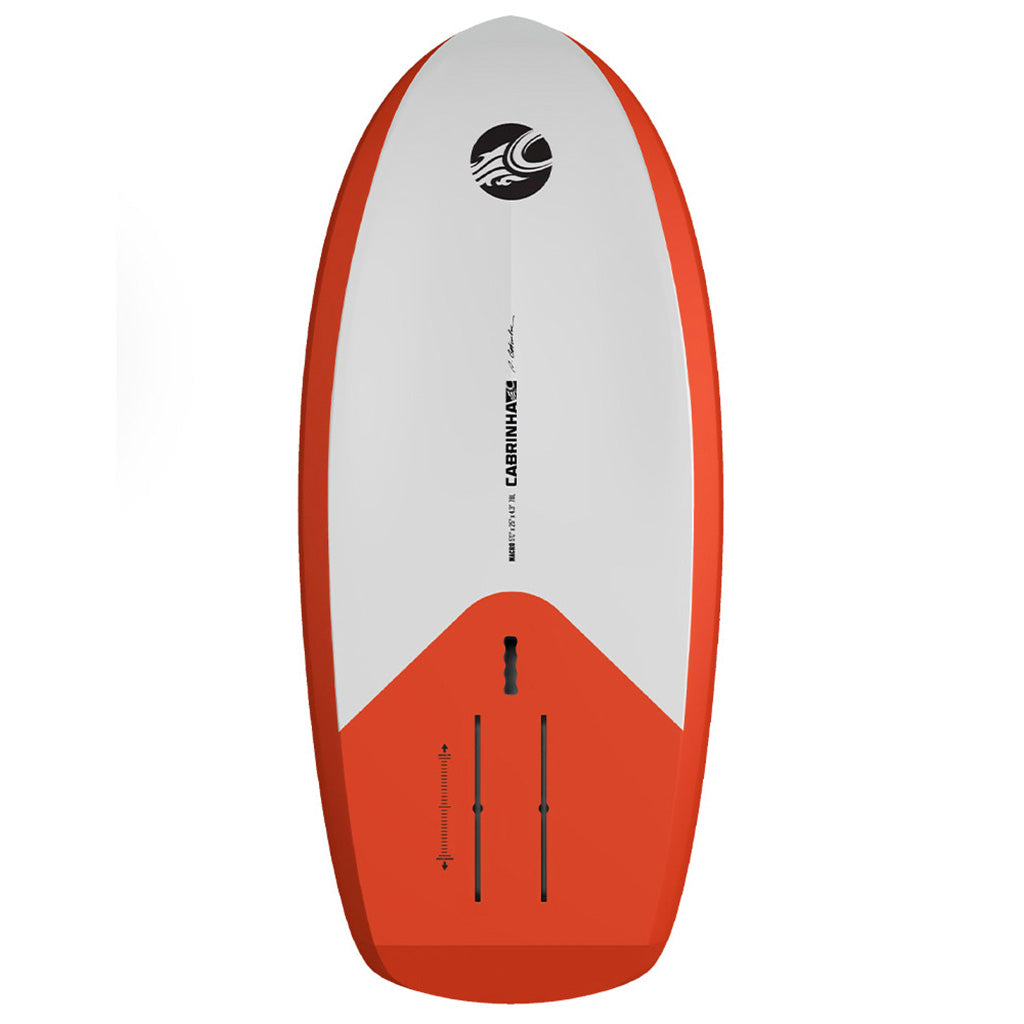
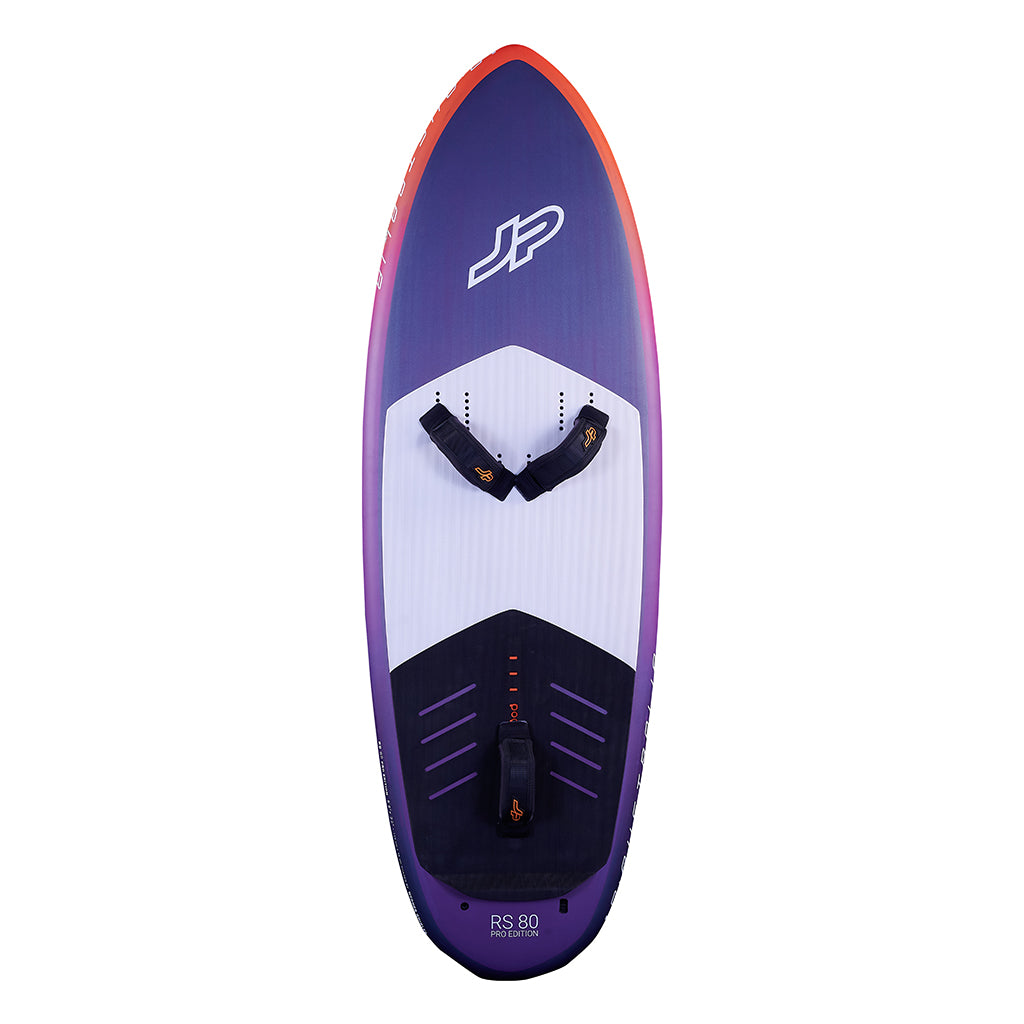
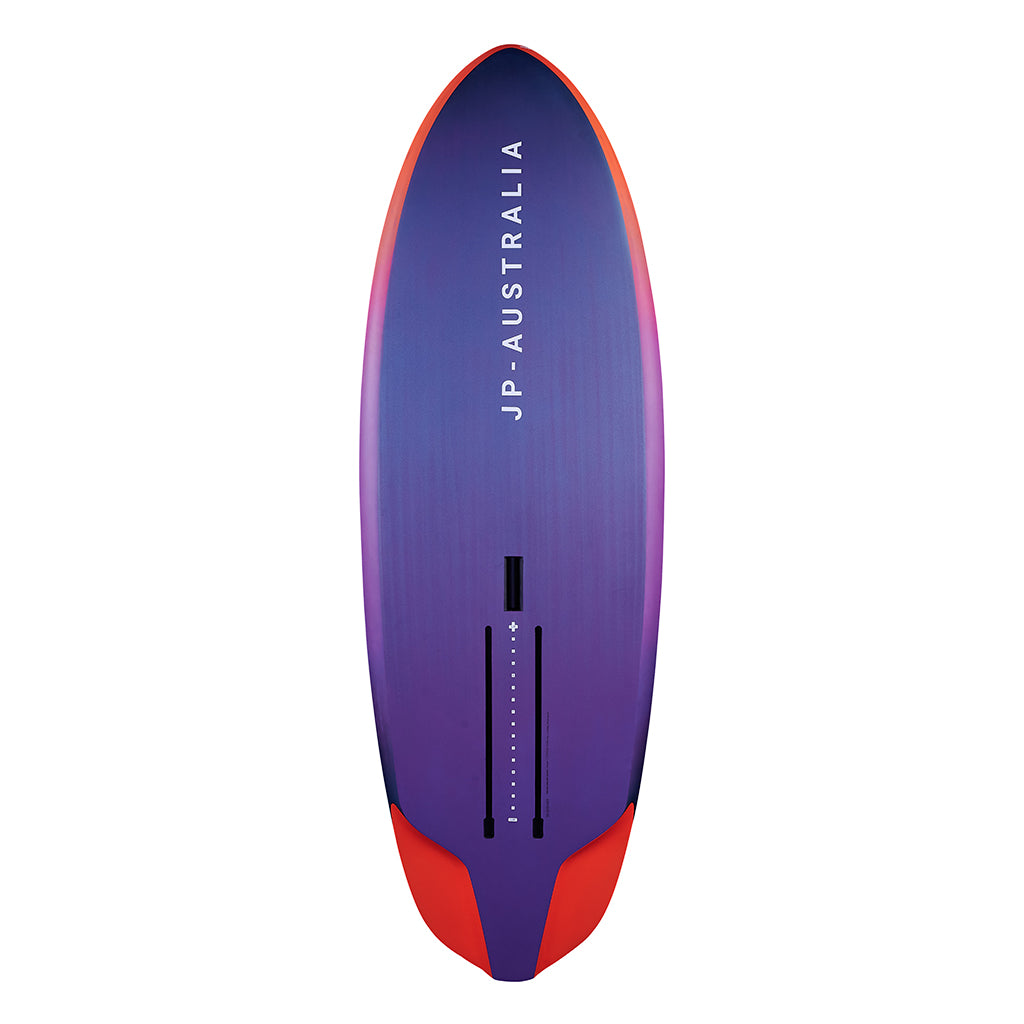
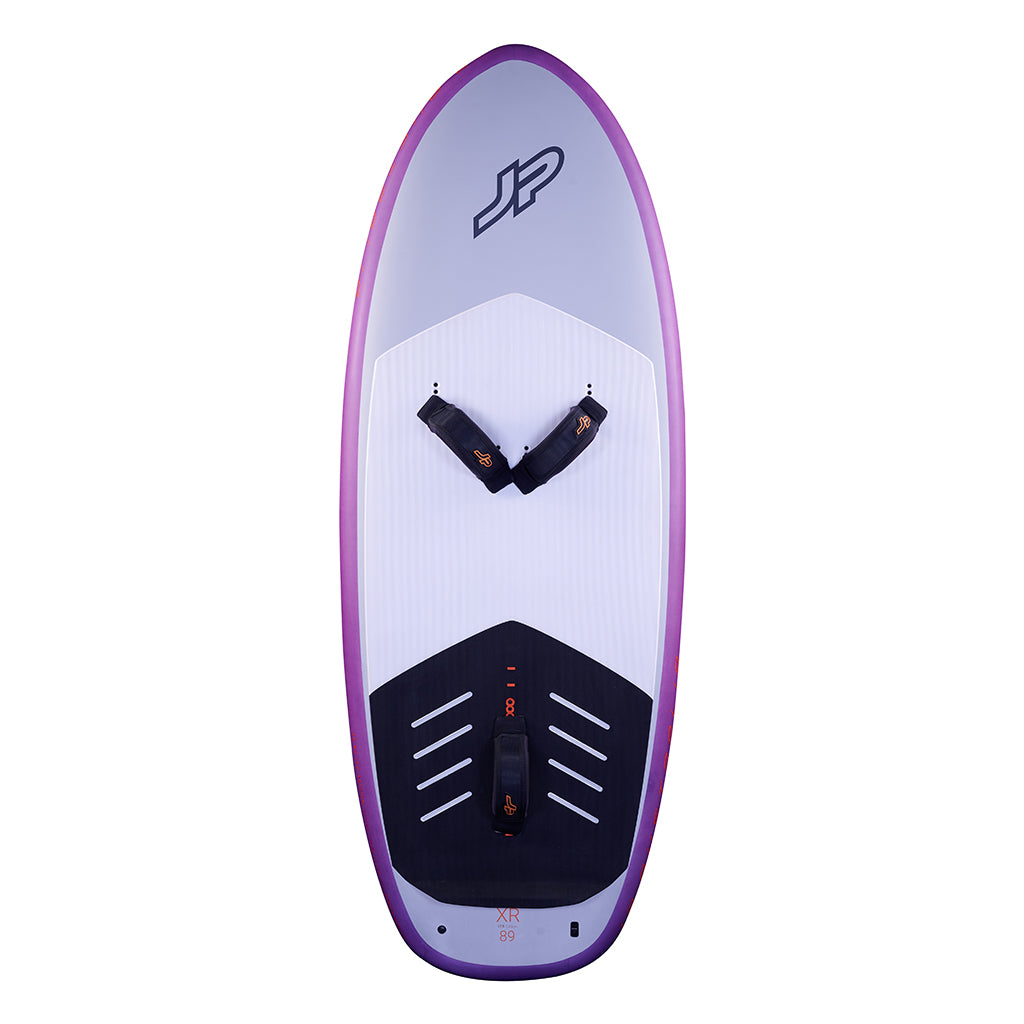
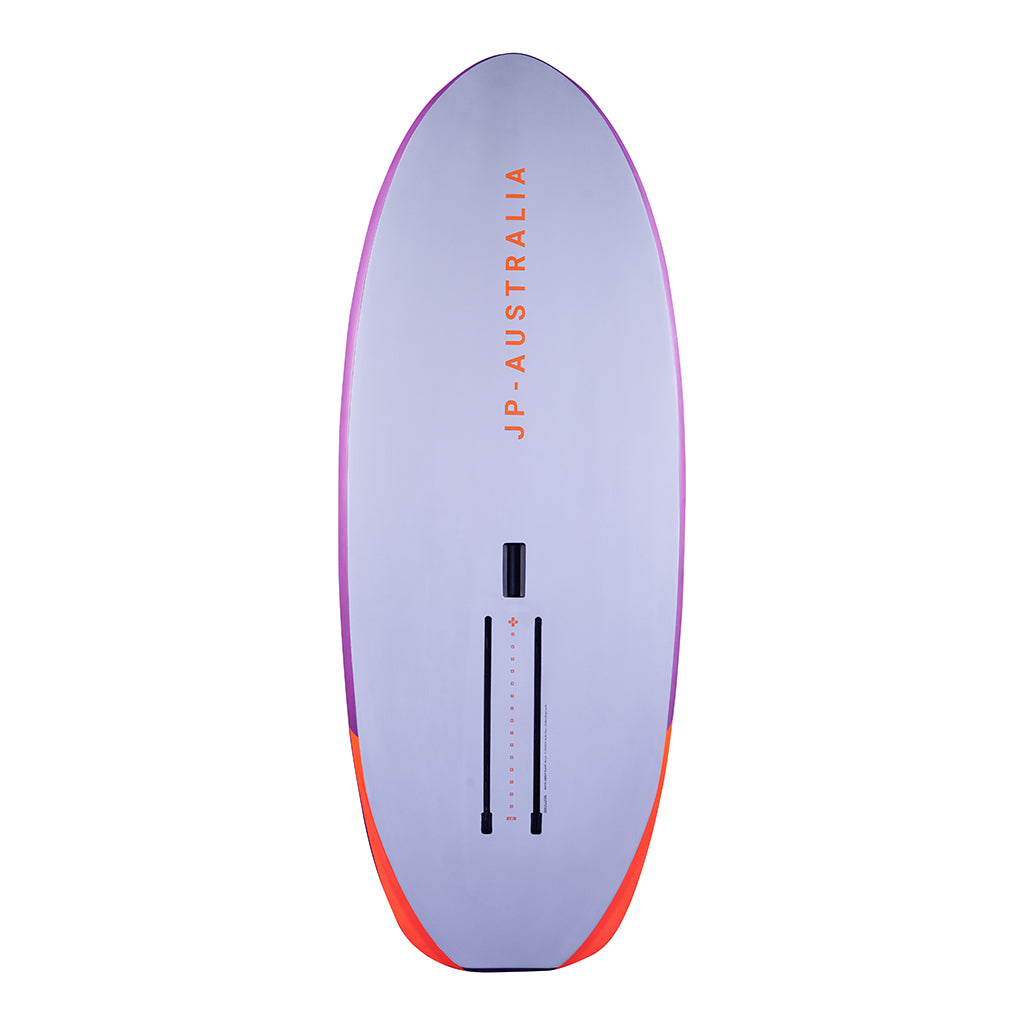
The board in wing foiling acts as the surfer's platform and must offer stability, buoyancy, and control. Its design is essential for a successful experience.
A matching wing foil board is crucial for achieving the right balance and building confidence in the equipment.
The transition from balancing on the board to gliding above the water surface is the essence of the wing foiling experience.
The magic of the hydrofoil
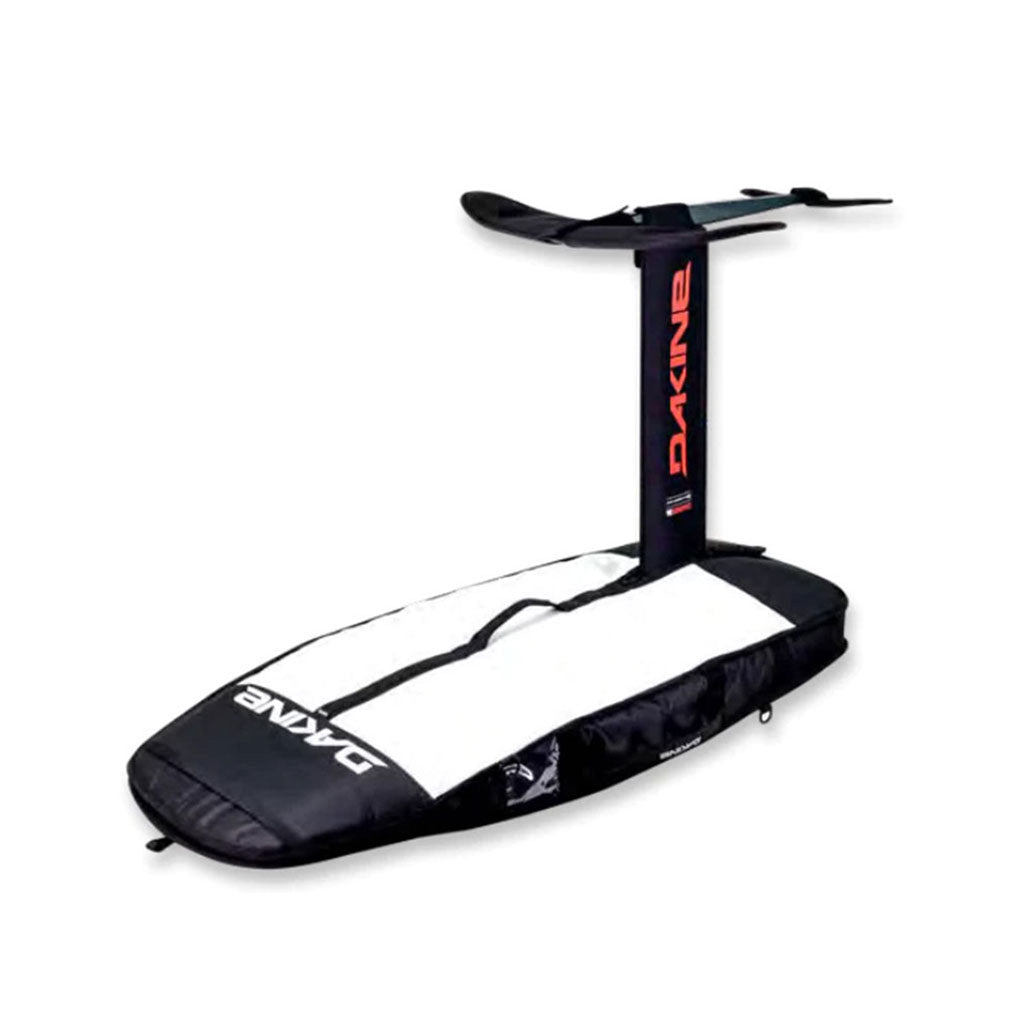
The hydrofoil transforms wing foiling from a simple water sport to an otherworldly hovering experience. Using this mechanism, the board is literally lifted off the water surface.
When the wind catches the wing and some speed builds up, the hydrofoil allows the board to lift from the water. It is in this periphery of air and water that the magic occurs.
The design of the hydrofoil can be compared to an aircraft wing section; it creates lift through the water, similar to an airplane's lift in the air.
The right hydrofoil can significantly enhance the wing foil experience, allowing for greater control and buoyant lift. It's the difference between sailing and gliding over wave crests.
If you want to read more about how the foil works and what parts it consists of, we recommend checking out our blog post.