Wingboard – The complete guide to choosing, materials, and brands
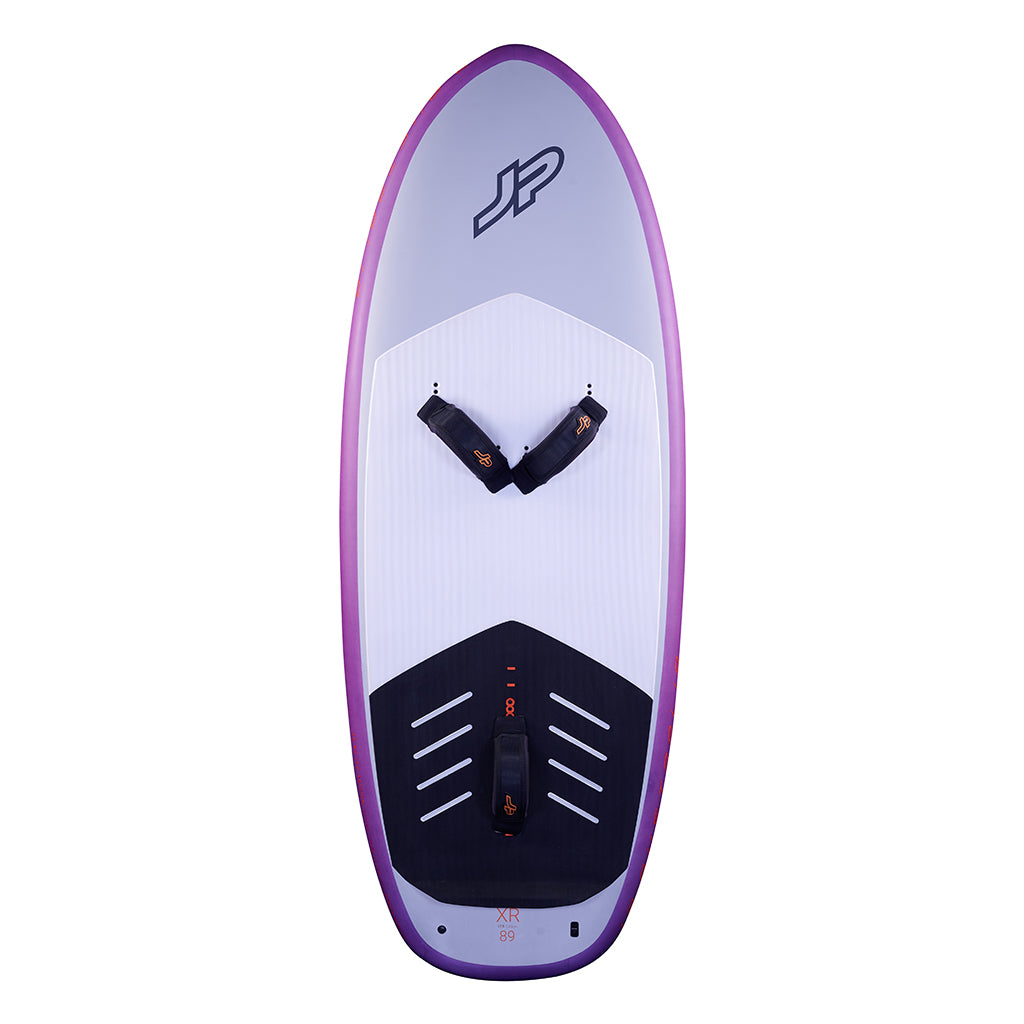
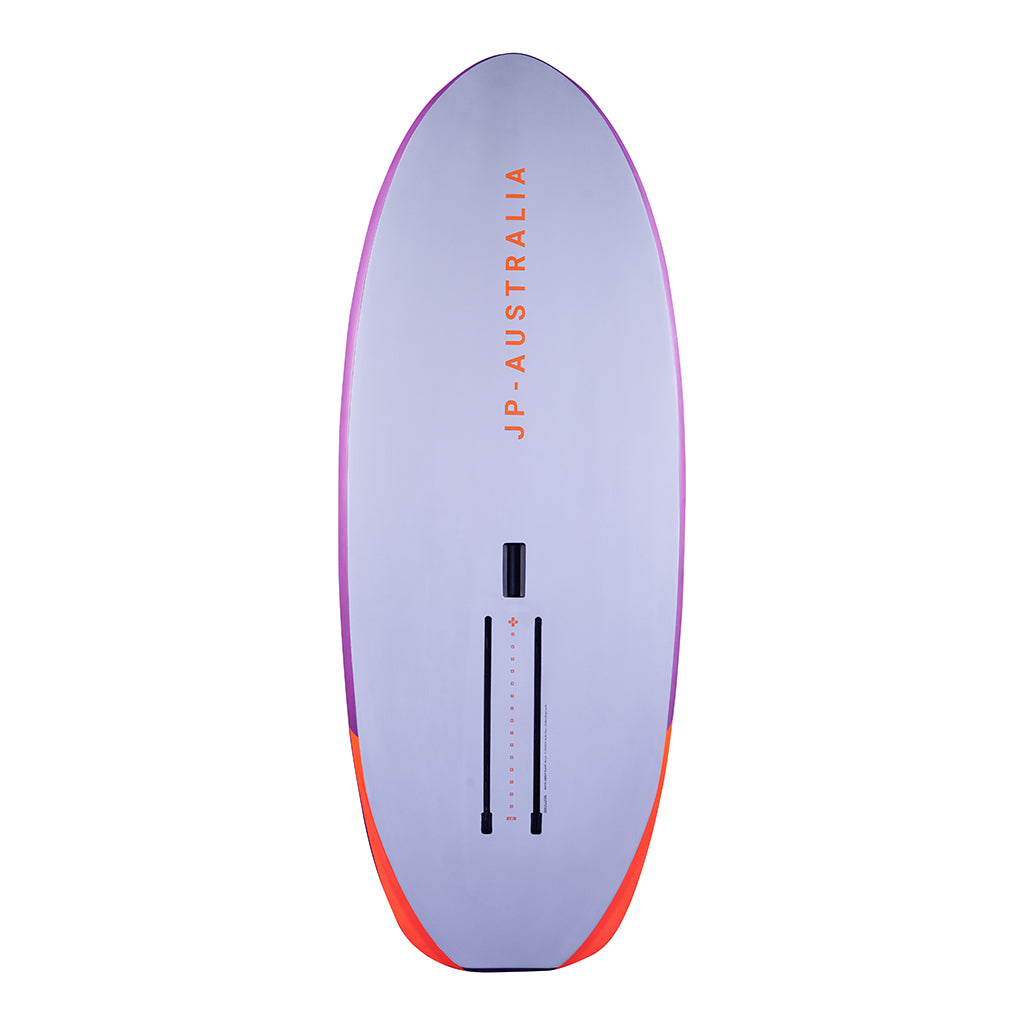
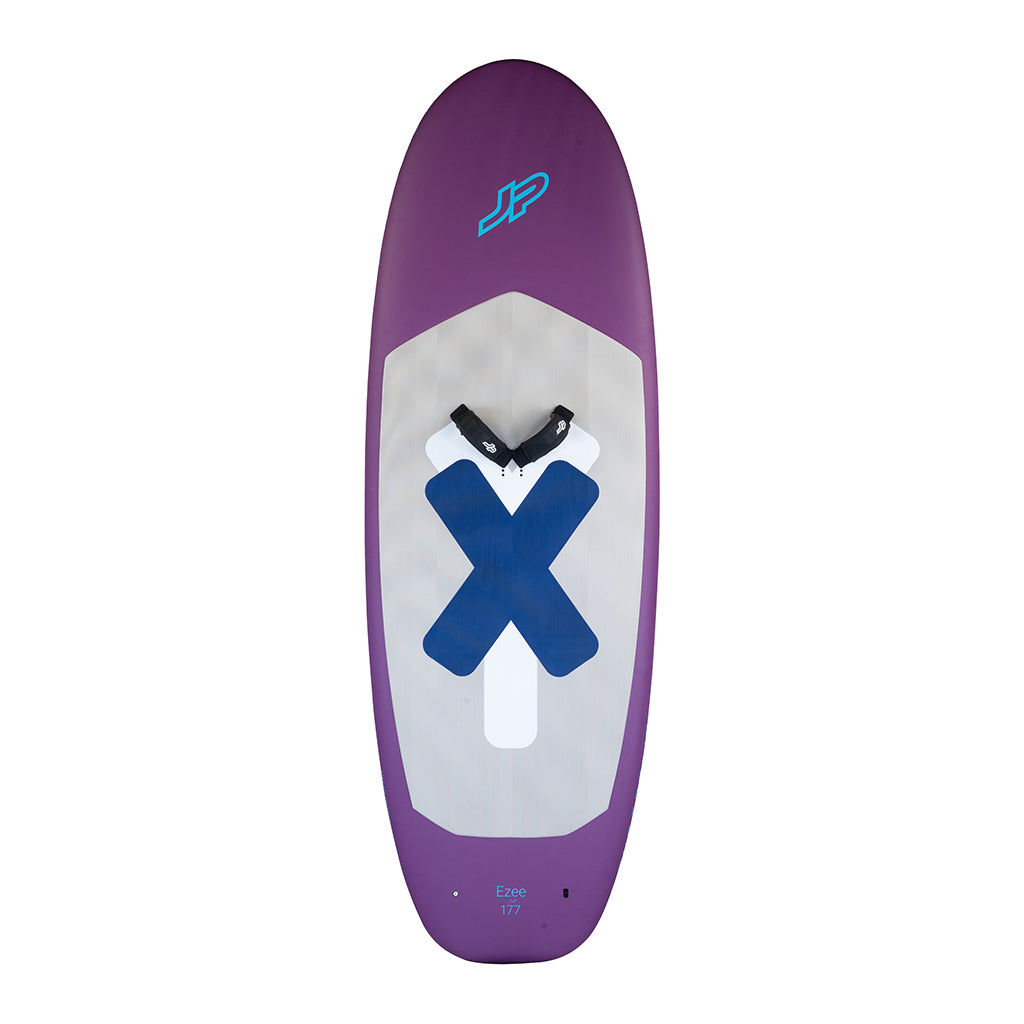
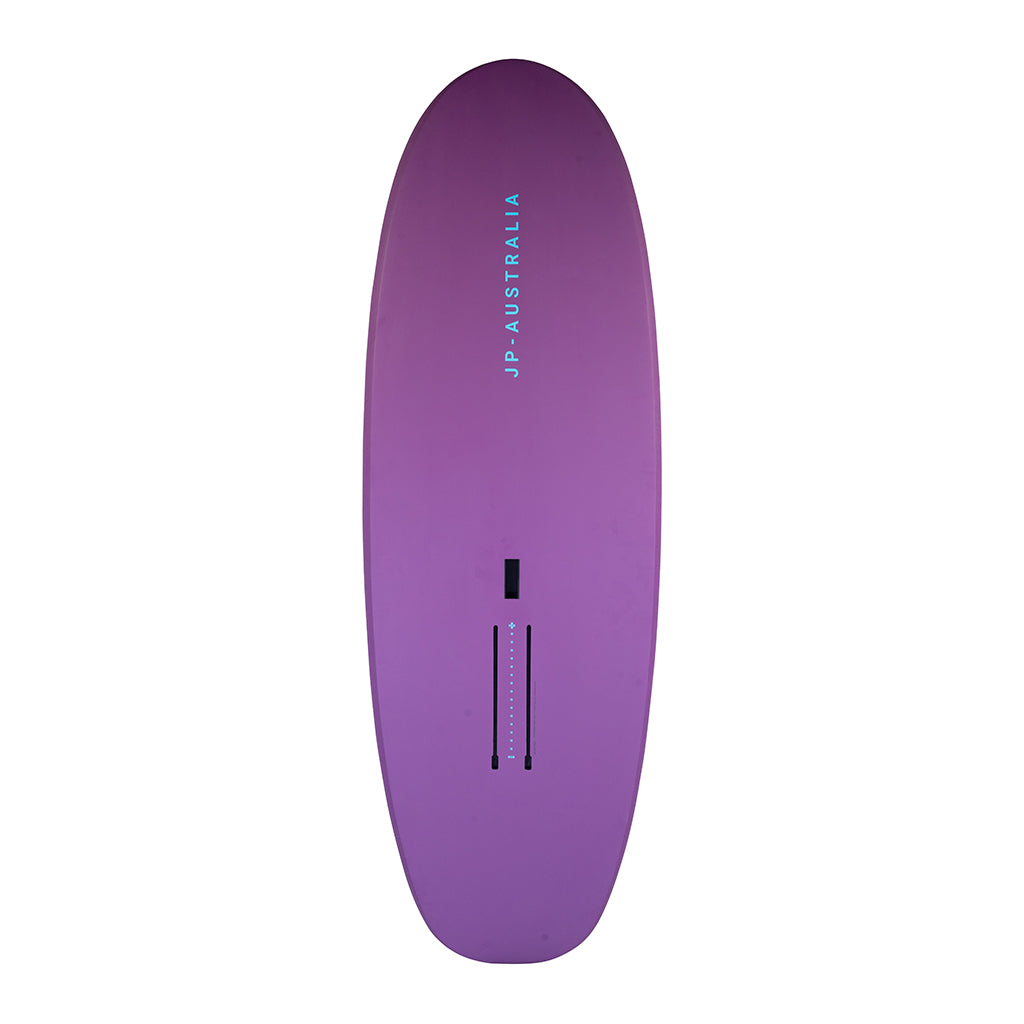
At One Open Sky, you will find a large selection of wingboards in many different shapes and sizes that ensure optimal stability and performance for wingsurfing. We are happy to help you choose the right wingboard so you have the best experience on the water.
Materials and construction of wingboards
A wingboard is made from different materials, which significantly affect the board's weight, strength, and performance. The most popular materials are carbon fiber, epoxy, and foam core. Carbon fiber wingboards are light and stiff, providing quick response and high performance, but they are often more expensive. Epoxy wingboards are robust and affordable, making them ideal for beginners. The foam core contributes to low weight and good buoyancy. When choosing a wingboard, consider how much weight, durability, and price matter to you.
Board shapes and design – how the shape affects your wingboard
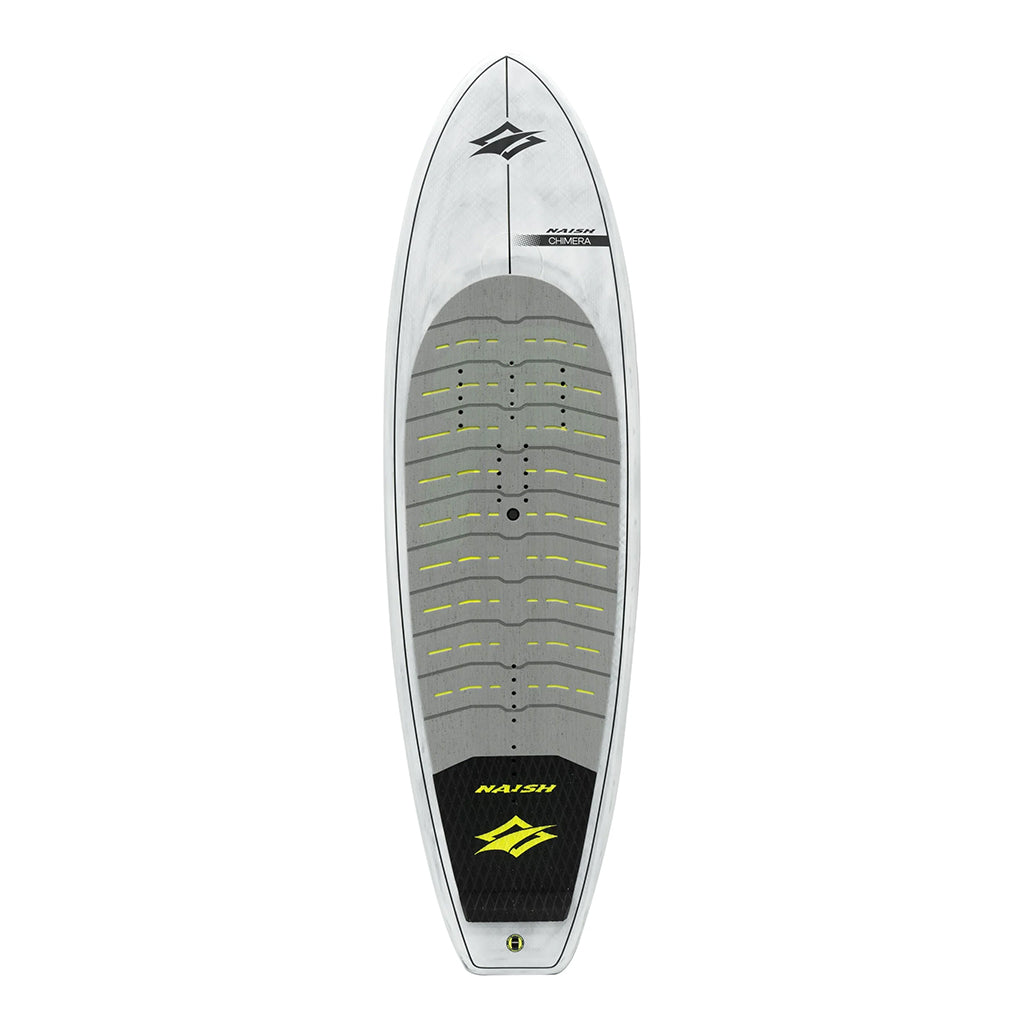
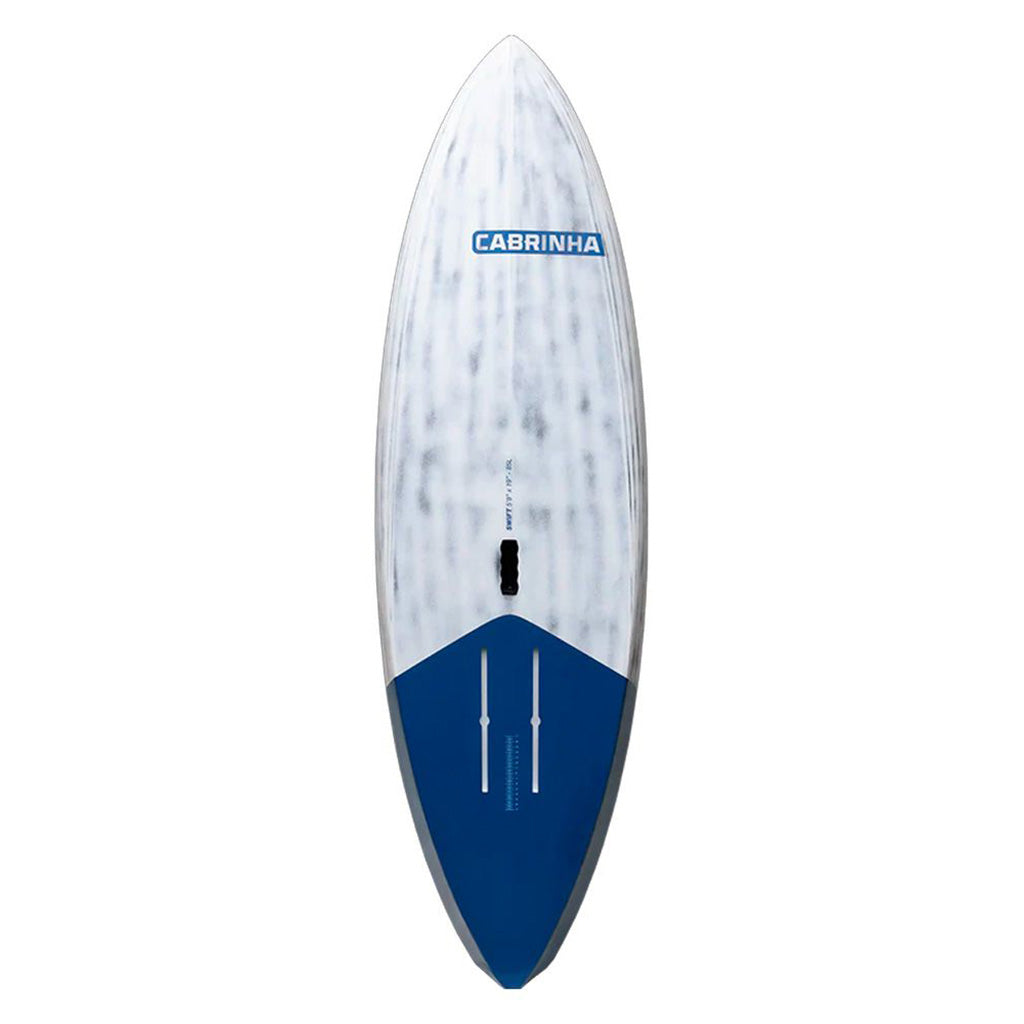
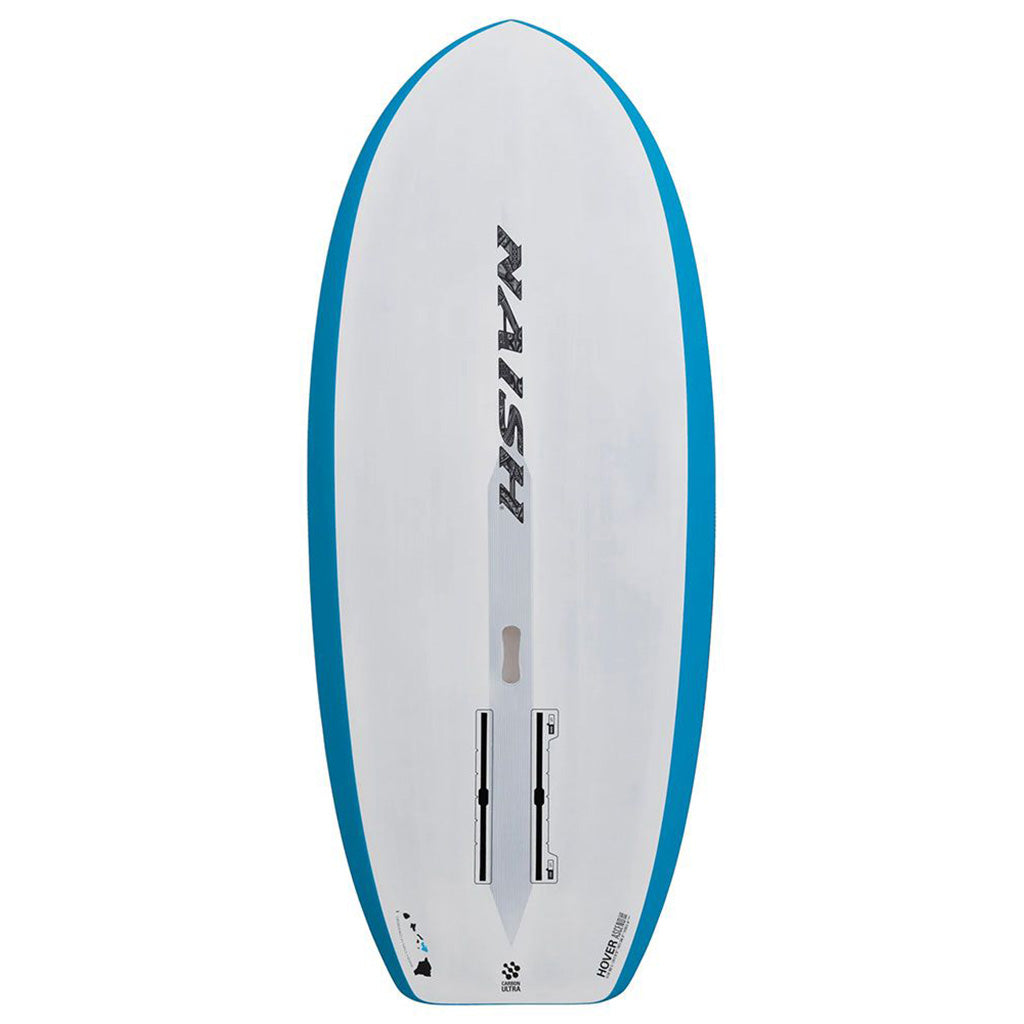
The shape of your wingboard greatly influences how it behaves on the water. Wider wingboards offer more stability, which is particularly advantageous for beginners. The length of the board affects directional stability and the ability to plane quickly. Rocker (curved shape) and rails (edges) also play a role in maneuverability and control. A wingboard with more rocker is easier to handle in waves, while sharp rails provide better grip in the water. Choose a wingboard design that matches your ambitions and the environment you most frequently sail in.
Differences between wingboards and other foil boards
Although wingboards, SUP-foil boards, and kite-foil boards may look similar, they are designed for different purposes. Wingboards are optimized for wingsurfing and often have more volume and width to provide stability and easy start. SUP-foil boards are longer and wider to allow paddling, while kite-foil boards are smaller and lighter since they are primarily used with the pull from a kite. To get the best experience, you should choose a dedicated wingboard for wingsurfing.
Maintenance and storage of wingboard
Extend the lifespan of your wingboard by rinsing it with freshwater after use, especially if you've been in saltwater. Avoid leaving the board in direct sunlight for extended periods, as UV rays can damage the material. Store your wingboard dry and cool, preferably in a board bag for extra protection during transport. Regularly check for damages or cracks so you can repair them in time.
Accessories and equipment for wingboard
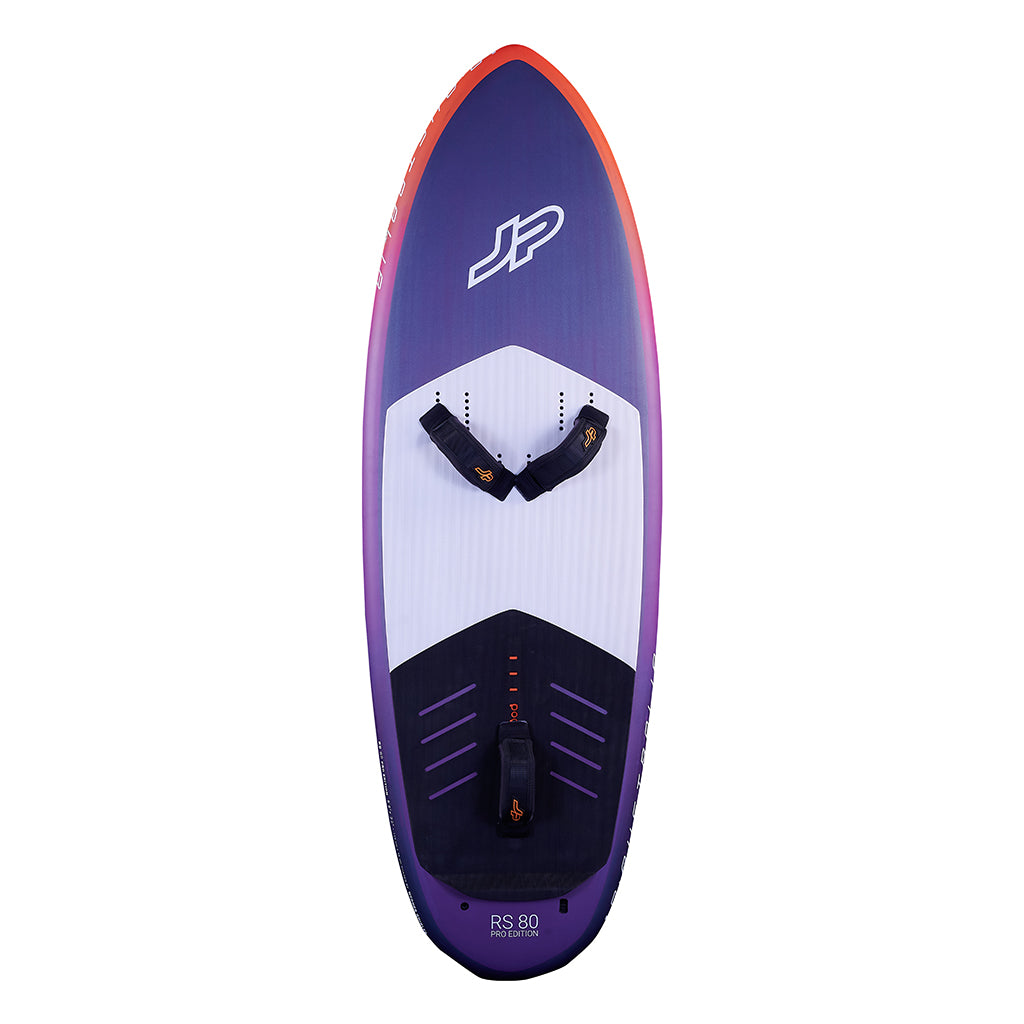
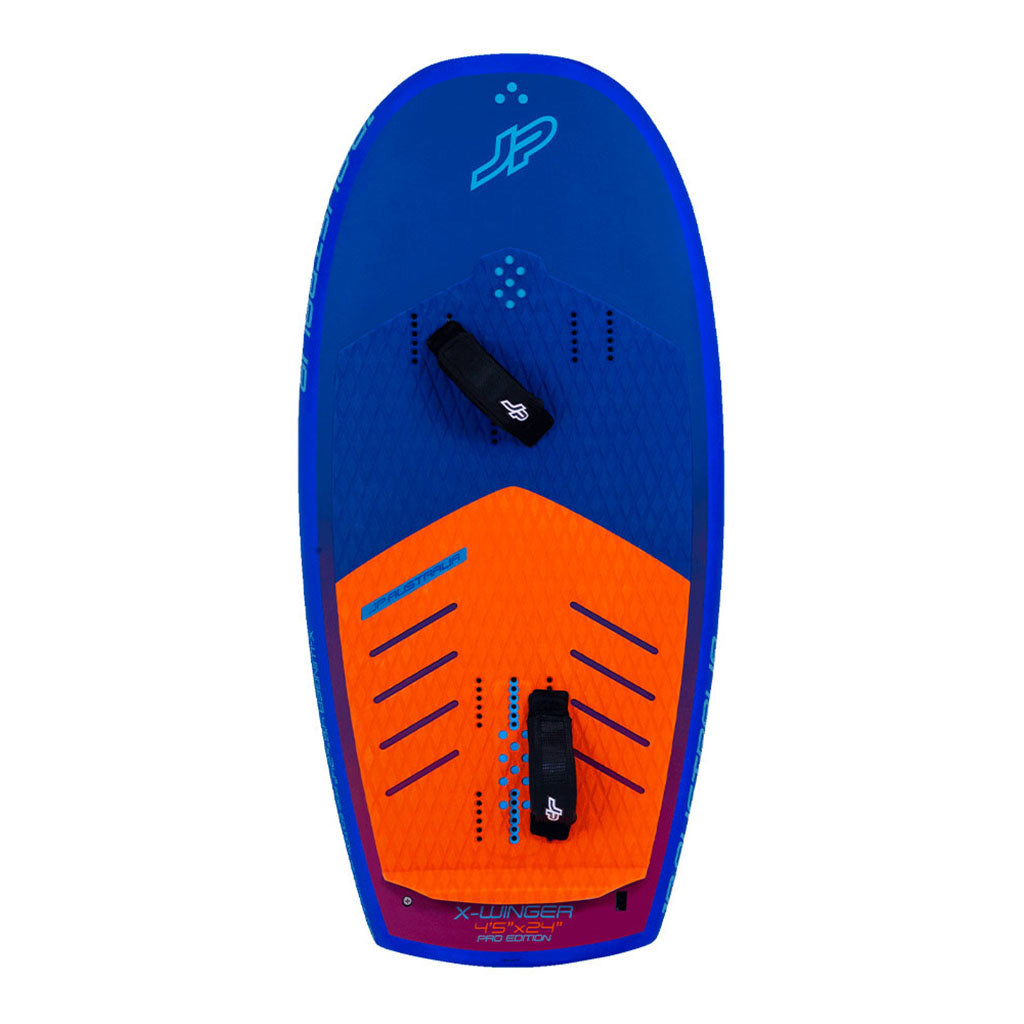
The right accessories can make your wingboarding experience both more fun and safer. Consider footstraps for better control, especially when jumping and doing tricks. A board bag protects your wingboard during transport and storage. A leash is important for keeping the board close to you if you fall off. An impact vest and helmet are recommended for extra safety, especially for beginners and in demanding conditions.
Safety and beginner tips for wingboarding
Safety is essential when wing surfing. Always use a leash so you don't lose your wingboard. A helmet and impact vest protect against hits and bumps. Start in shallow water and calm conditions, so you can practice safely. Learn to handle both the wingboard and wing on land before going on the water. Pay attention to wind and weather conditions, and avoid sailing alone, especially as a beginner.
Popular wingboard brands and models
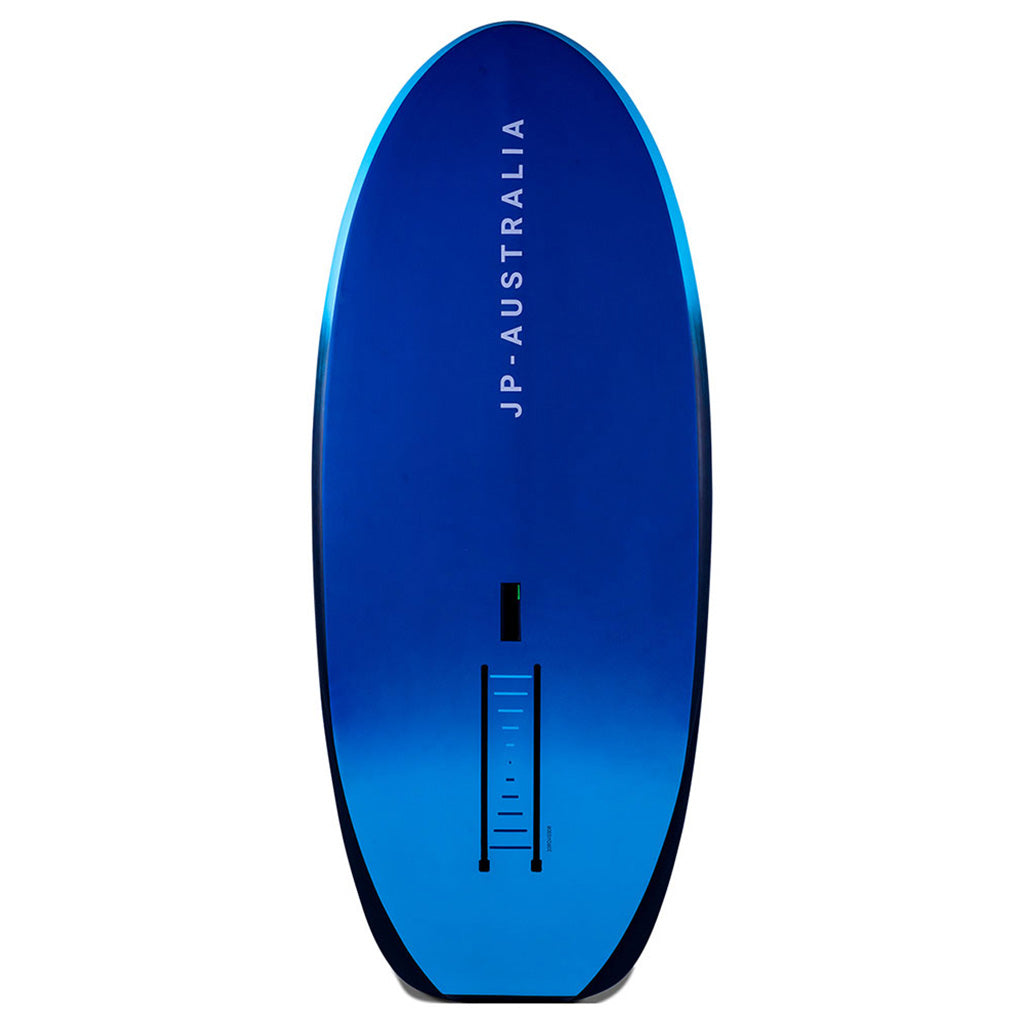
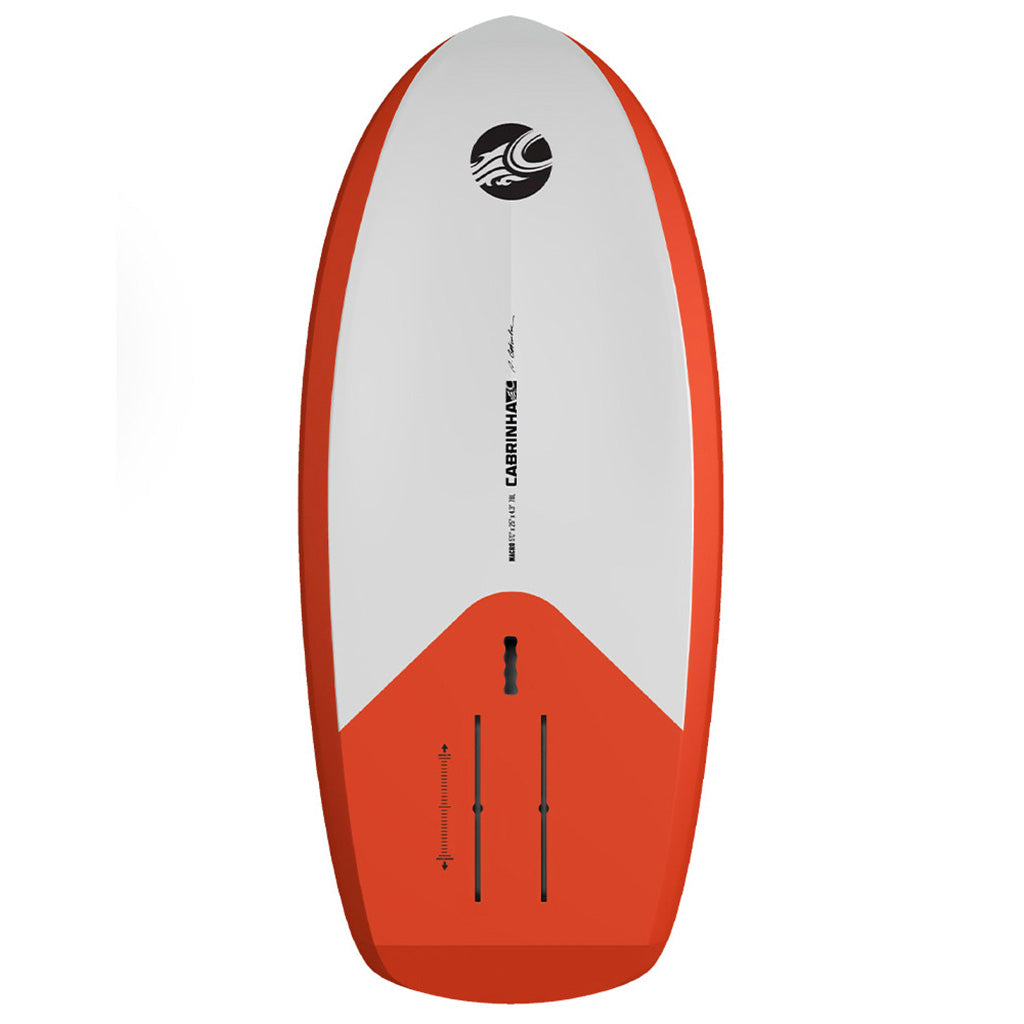
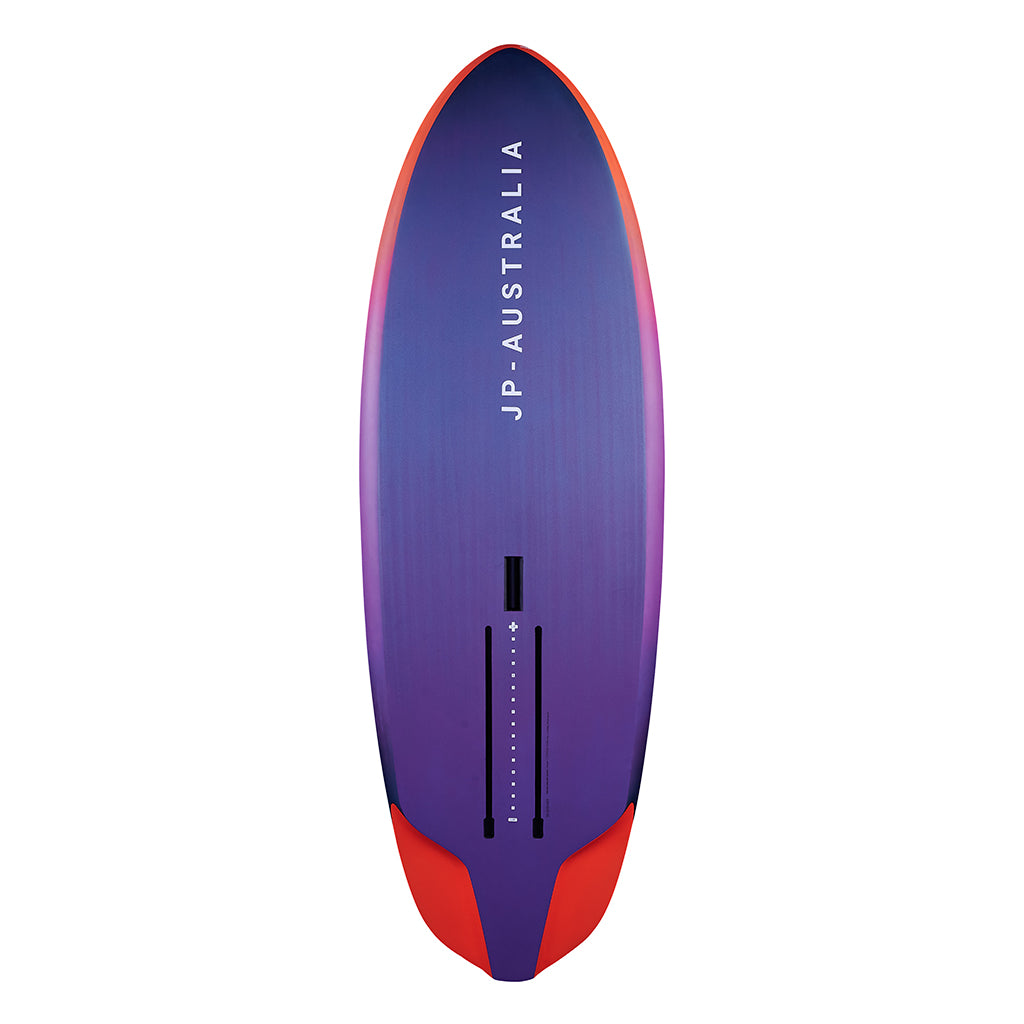
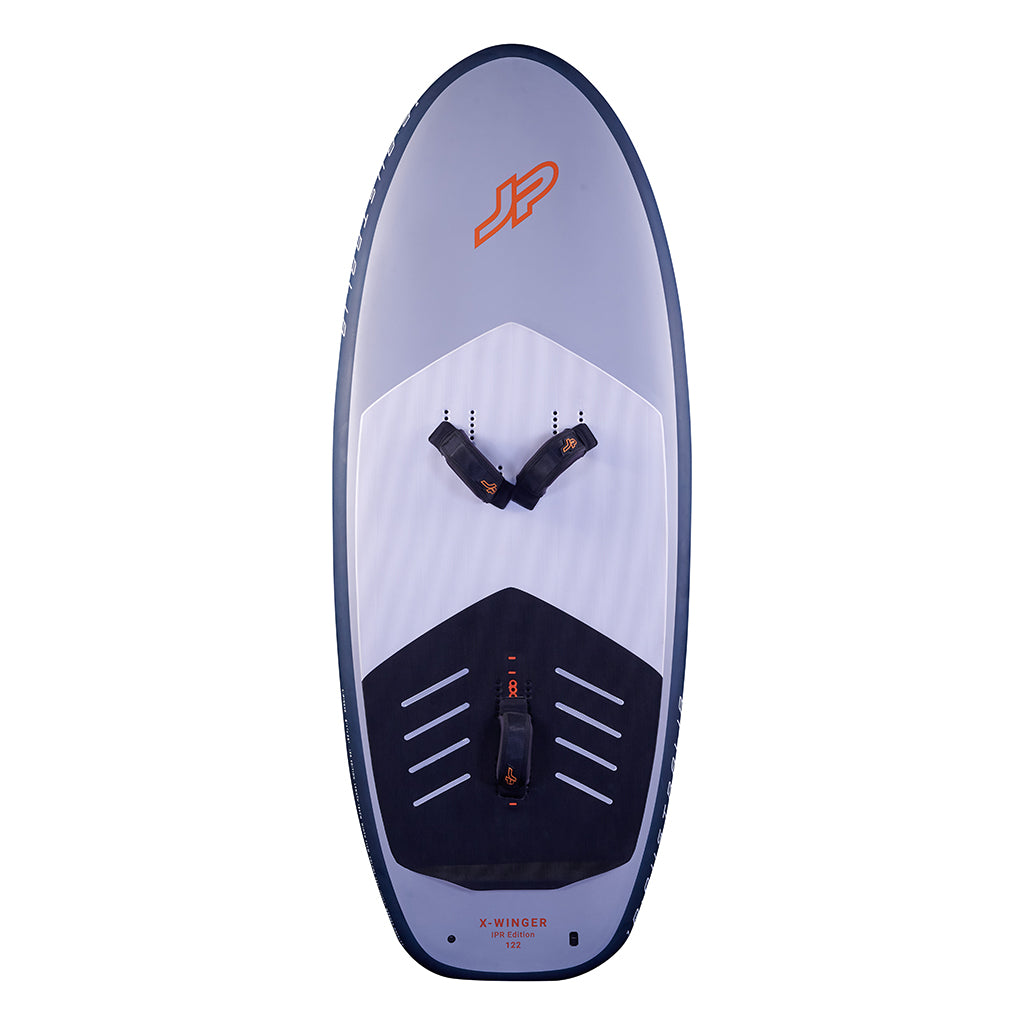
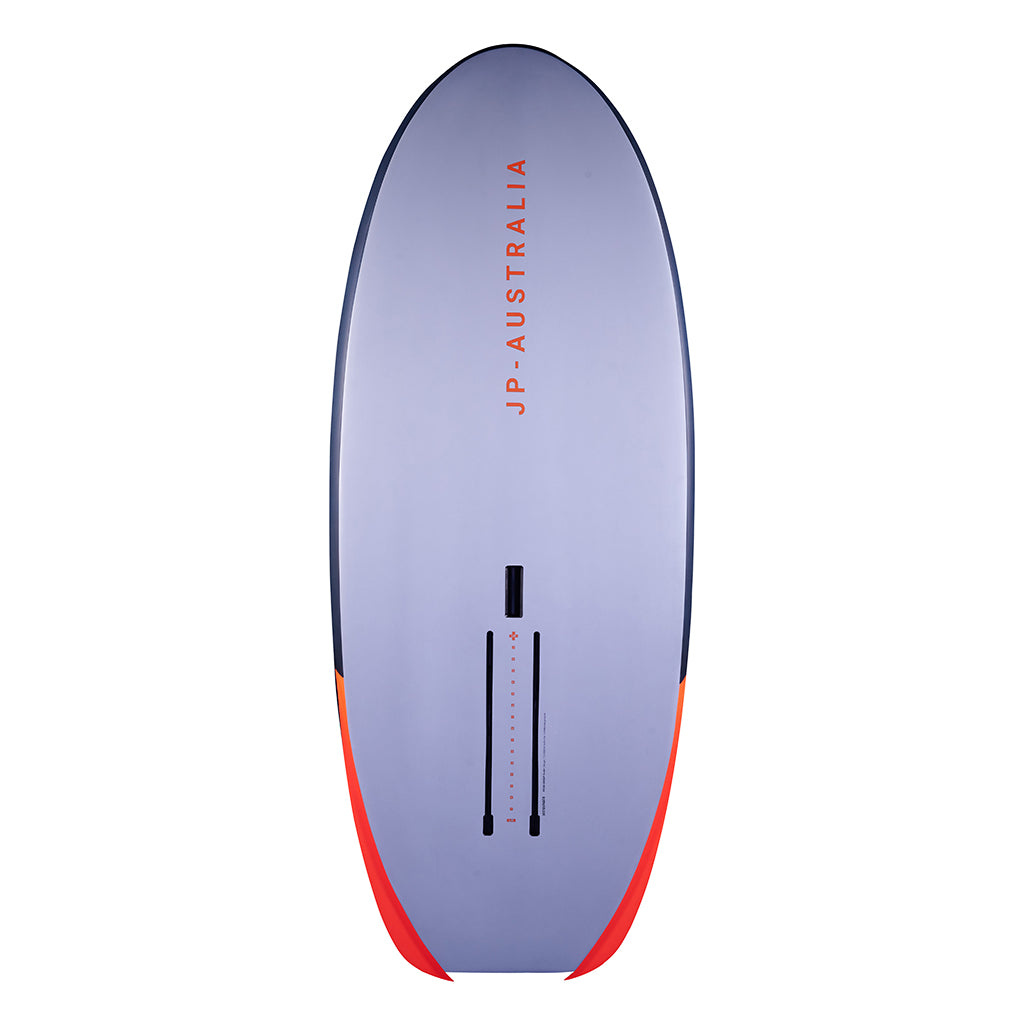
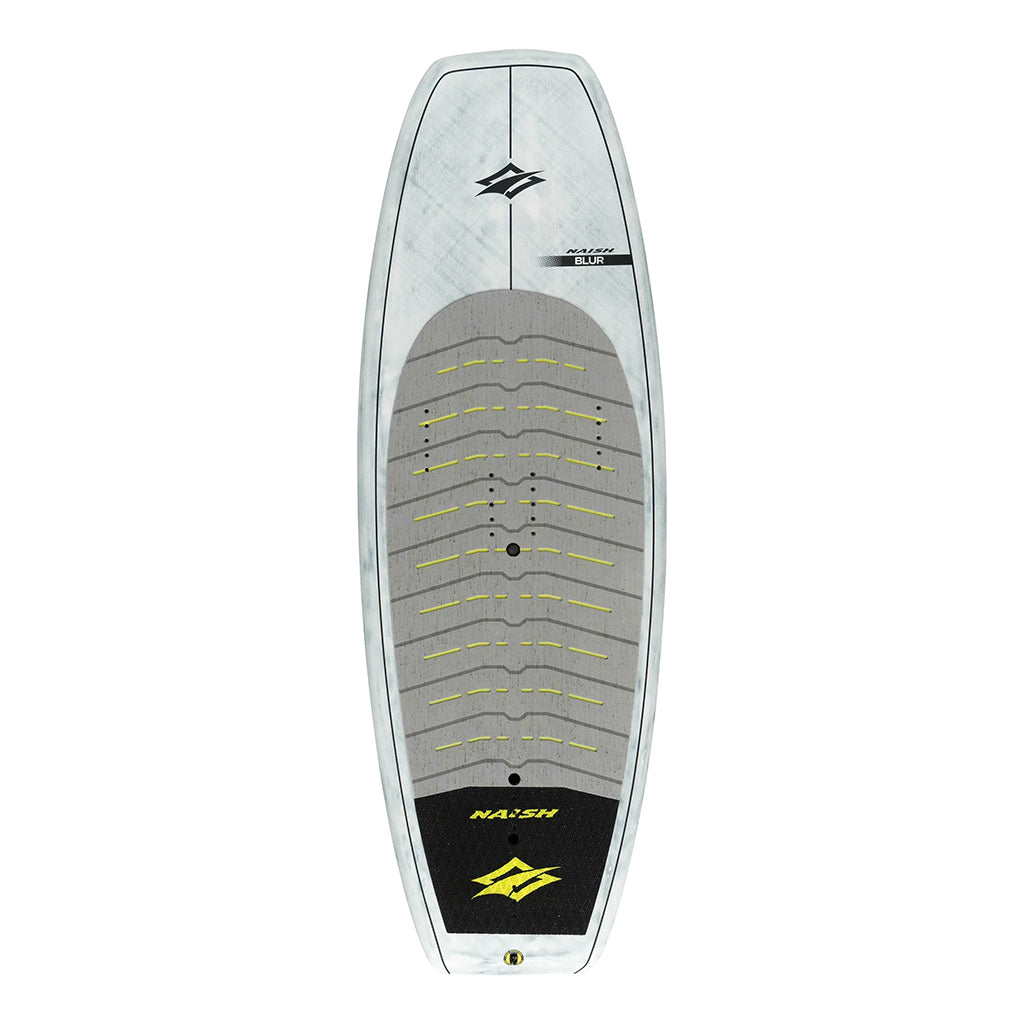
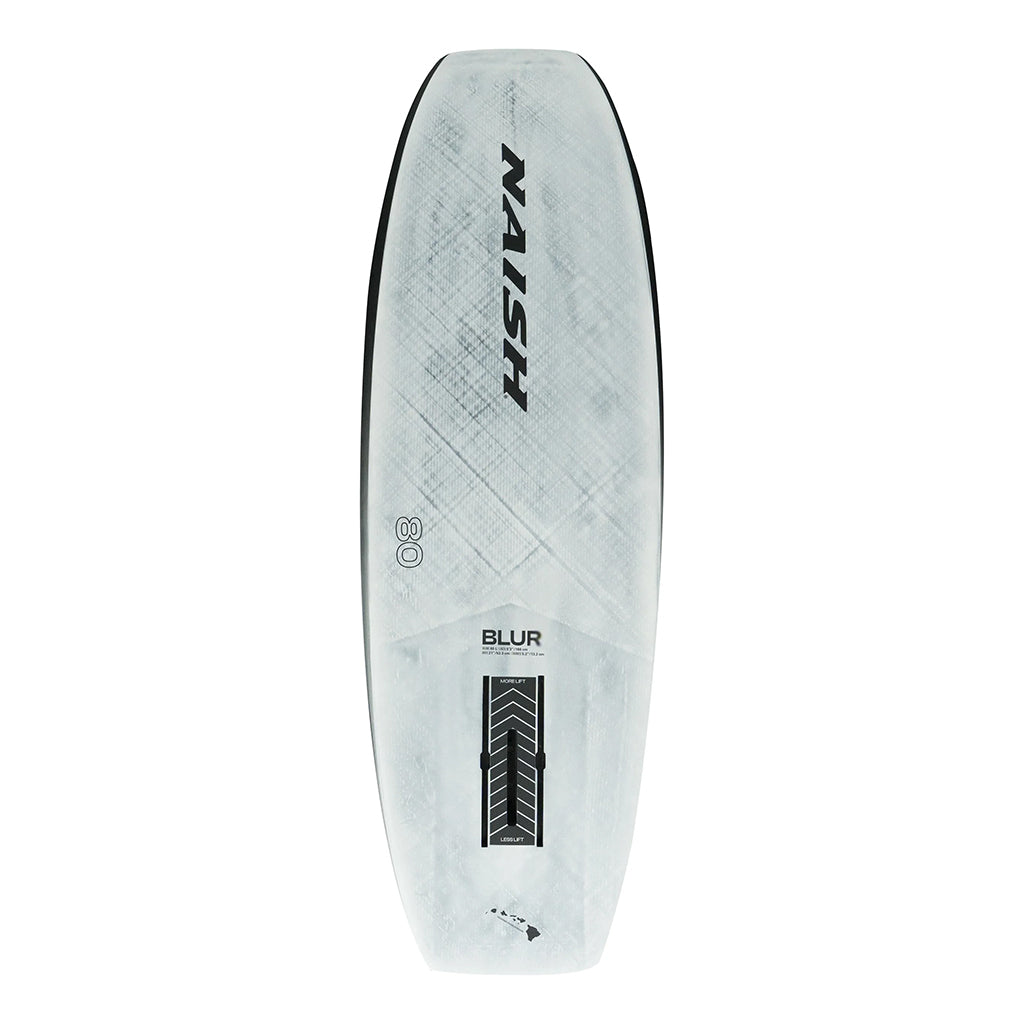
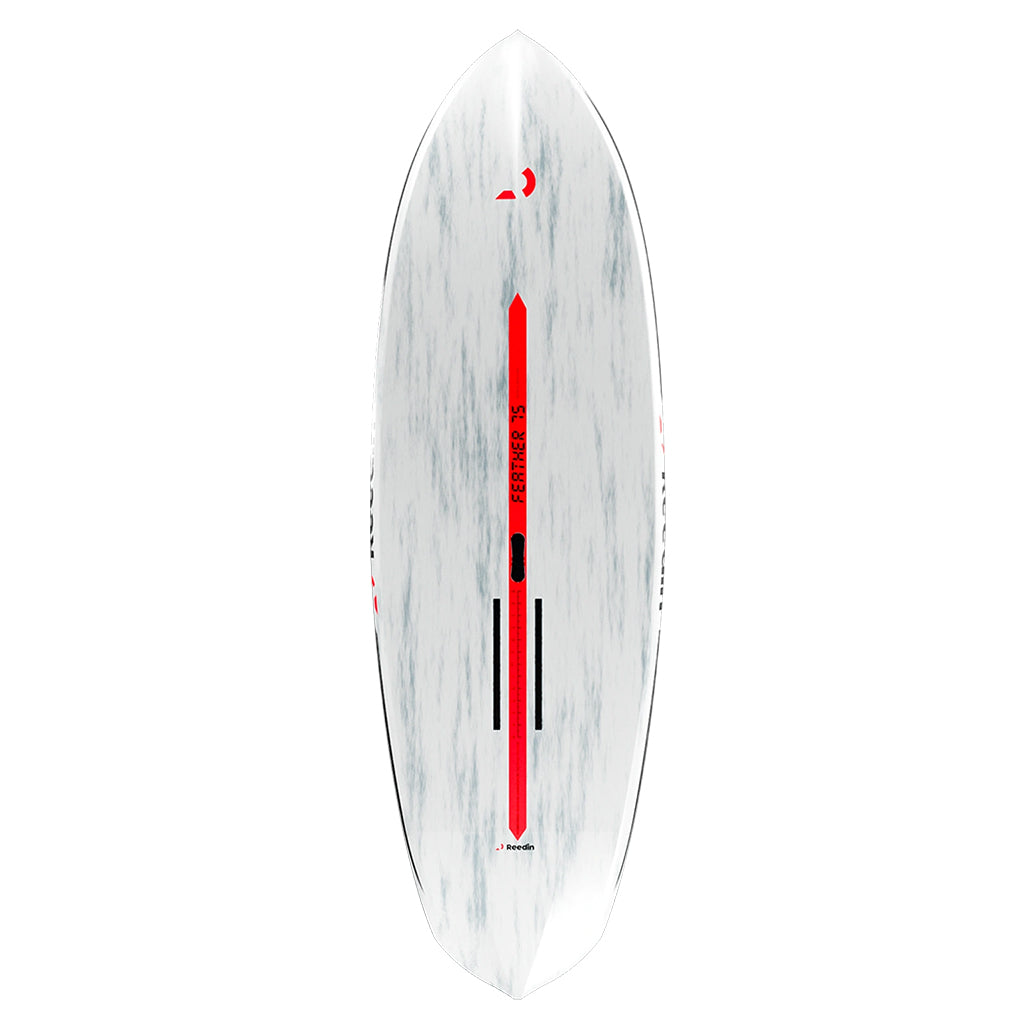
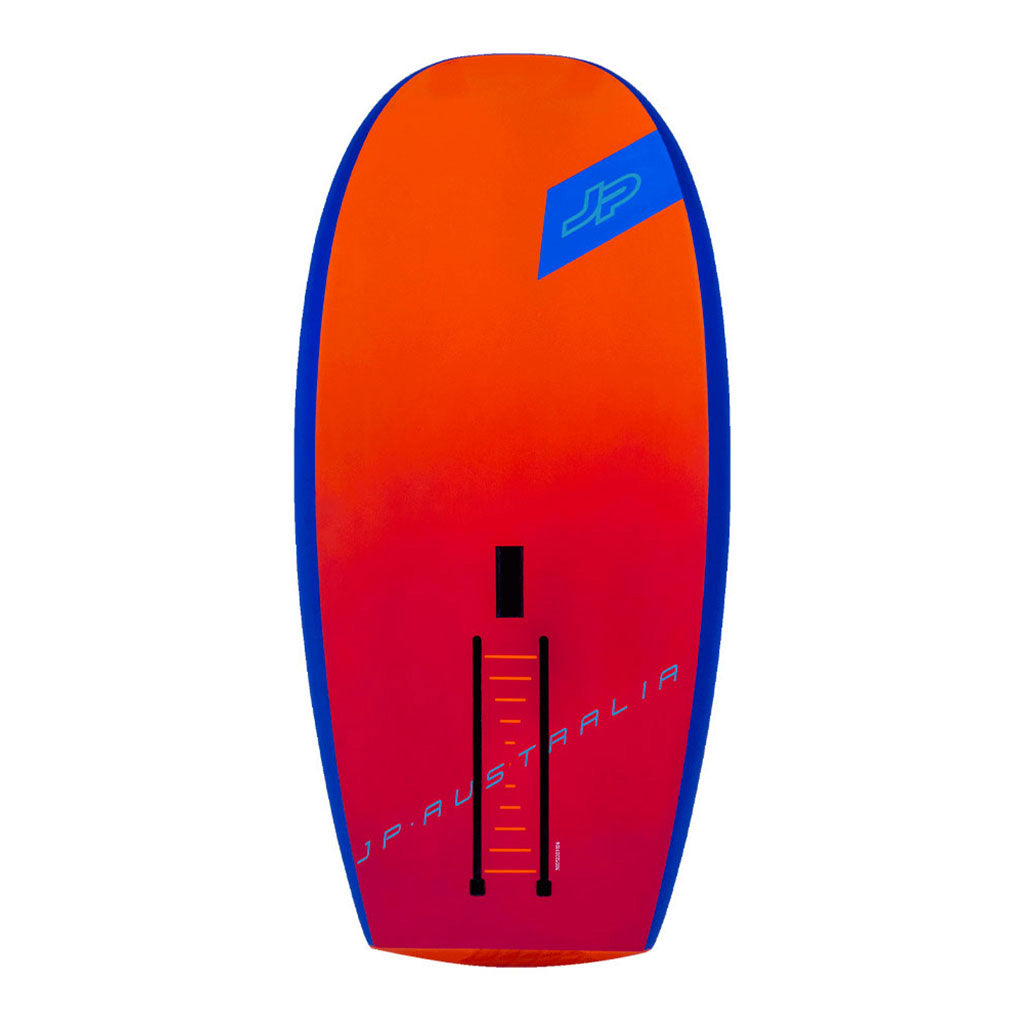
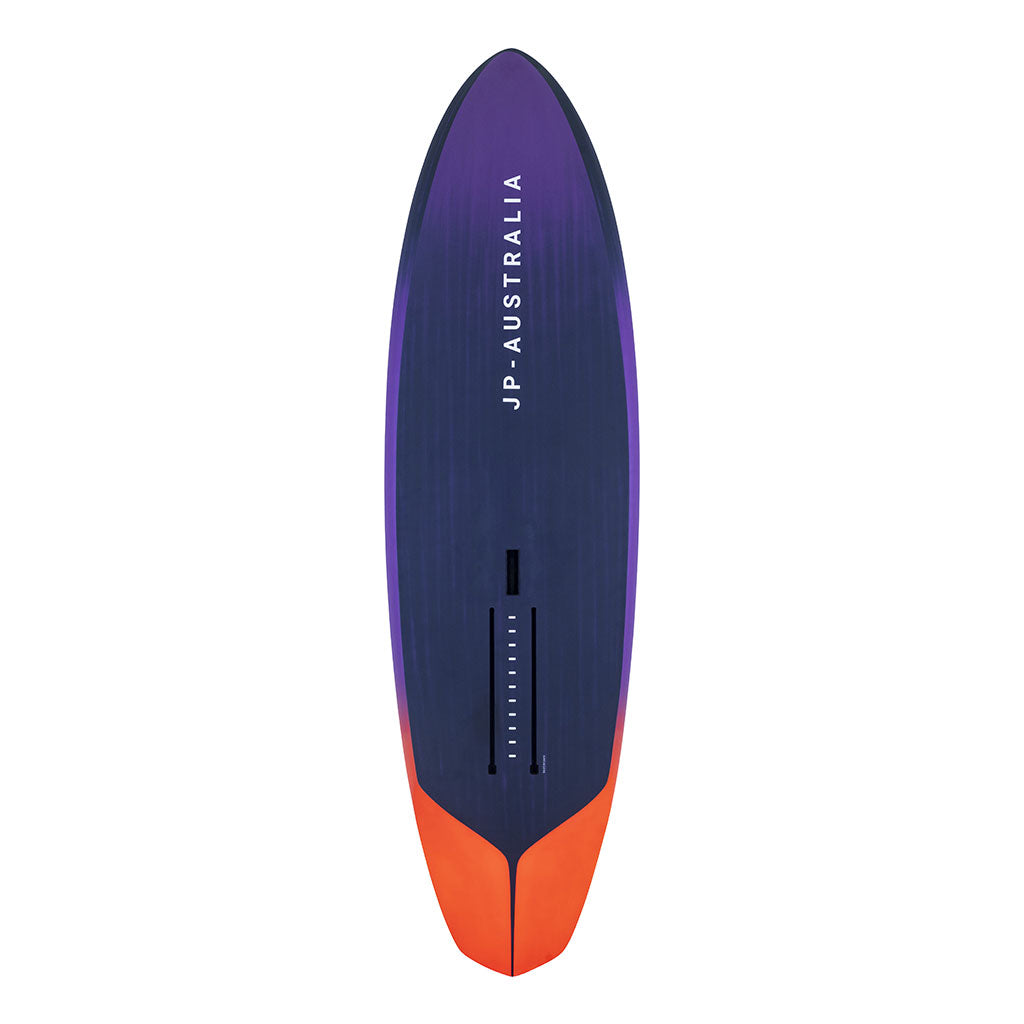
The wingboard market offers a range of recognized brands, each offering unique features and designs.Cabrinhais known for innovation and high quality, whileDakineprovides durable equipment for demanding conditions.JP Australiaand NSP offer versatile wingboards for both beginners and advanced riders. Naish and Reedin are popular for their light and responsive wingboards, while Starboard is recognized for sustainability and advanced technology. Regardless of level and ambitions, there is a wingboard brand and model that matches your needs.
Which wingboard should I choose?
A general rule of thumb is that one liter of volume can support one kilogram. This means that a wingboard with a volume of 100L can carry 100kg.
Wingboard for beginners
As a beginner, it is recommended to choose a wingboard with extra volume to ensure stability and easy take-off. We recommend about 40 liters more than your body weight. If you weigh 80 kg, you should choose a wingboard with 120 liters of volume. The high volume makes it easier to stay afloat and build speed, so you can quickly get on the foil.
Wingboard for intermediate riders
For the advanced wingsurfer, we recommend a wingboard with about 15 liters more than your body weight. A person weighing 80 kg should therefore choose a wingboard with around 95 liters volume. This requires you to be able to pump the board to gain the necessary propulsion and balance.
Wingboard for experts
If you are very experienced, you can choose a wingboard with lower volume than your body weight – about 15 liters less. If you weigh 80 kg, we recommend a wingboard of 65 liters. This provides maximum maneuverability and the possibility for sharp turns and high jumps, but it requires good balance and strong wind to get going.
With this complete guide to wingboards, you are well-equipped to choose the right wingboard, accessories, and brand – whether you are a beginner or an experienced wingsurfer. At One Open Sky, we are ready to advise you so that you get the most out of your wingsurfing experience.