Surfboards
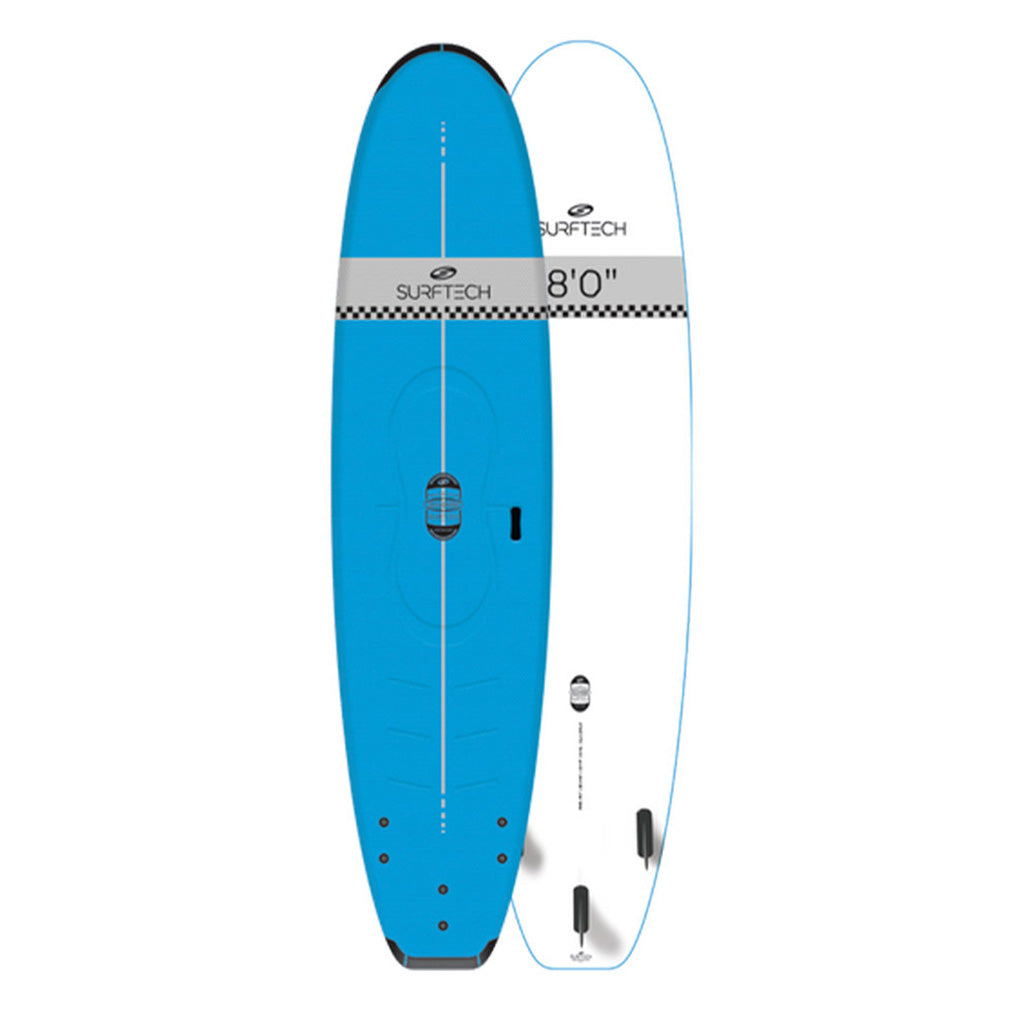
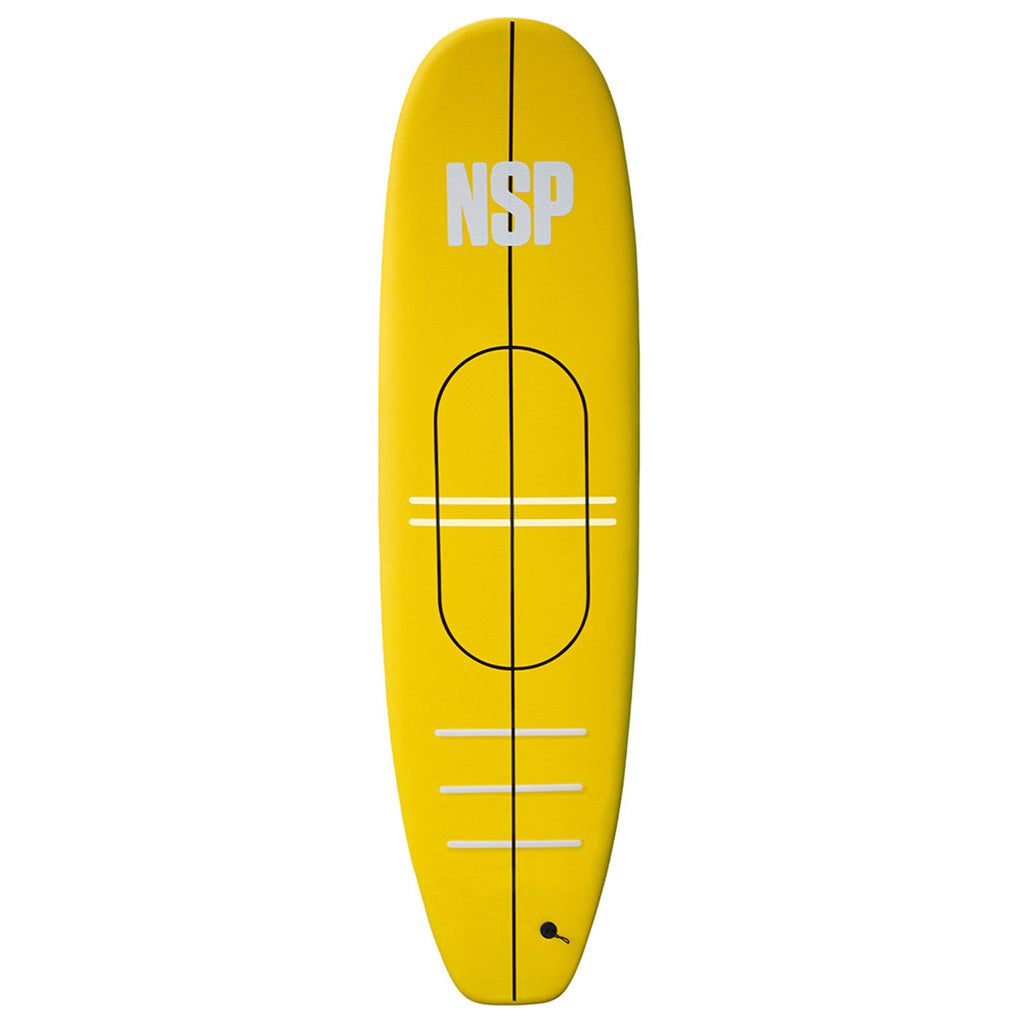
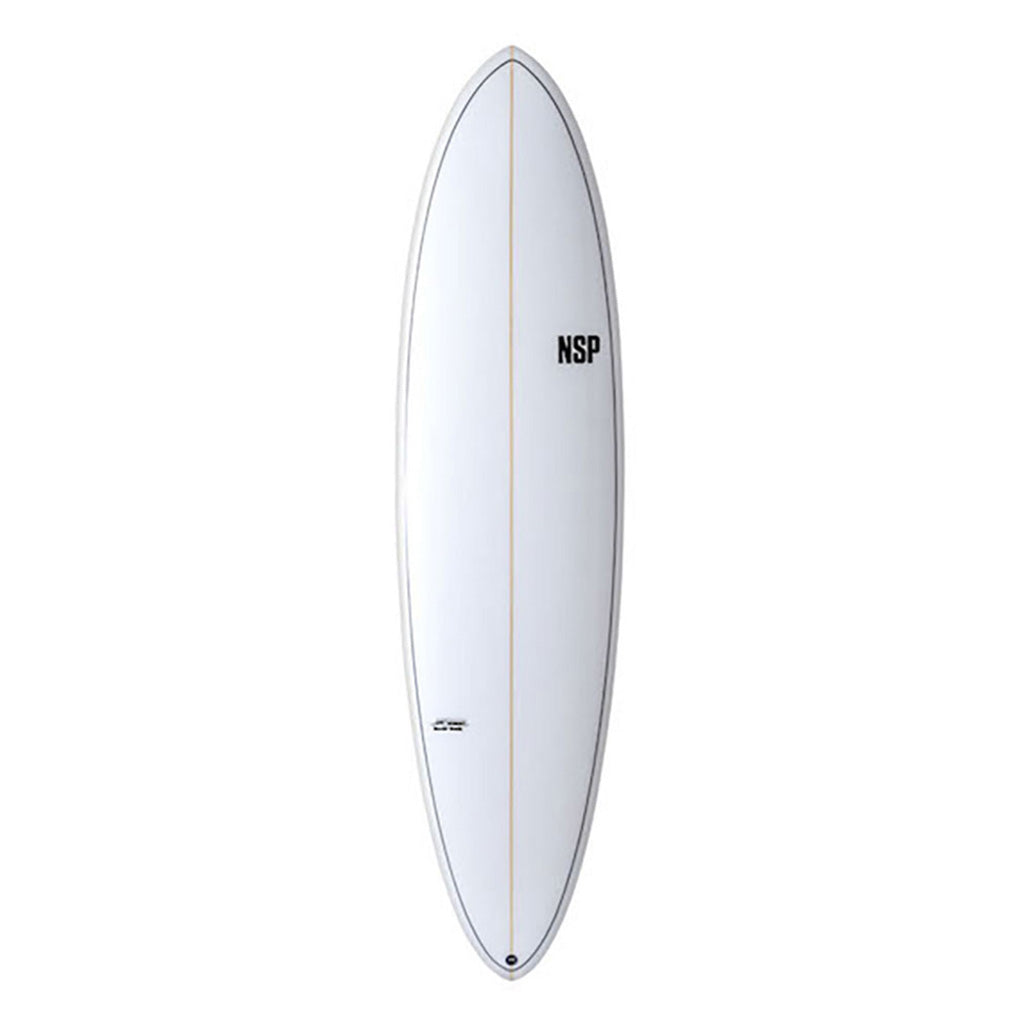
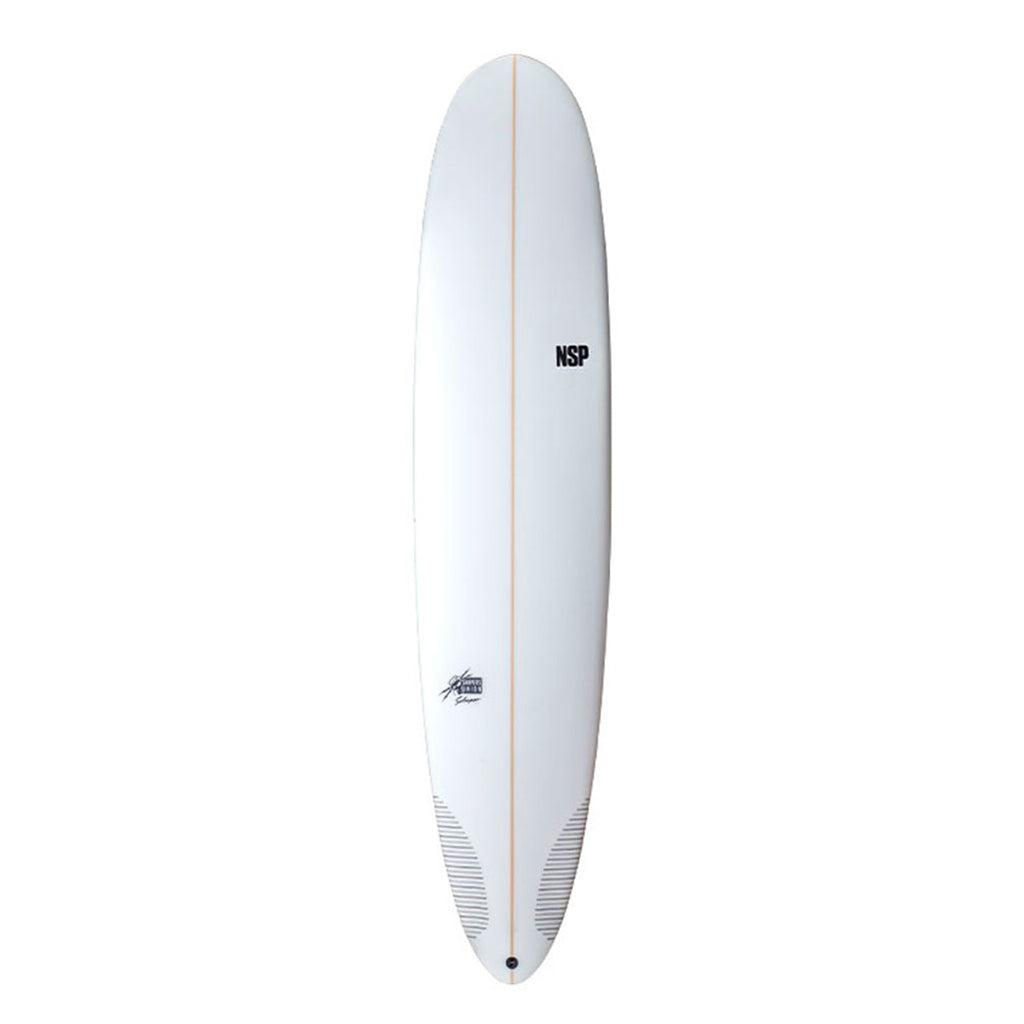
We have a huge selection of surfboards in all types and sizes, perfect for both beginners and experienced surfers. At One Open Sky, we are always ready to chat with you about which type of board will suit you and your needs best, whether you are new to surfing or an experienced surfer.
How do I find the right surfboard?
There are primarily three factors that determine which board is right for you: your weight, your technique, and your surfing discipline/wave type. As a beginner, it is especially your weight and the desire for stability that are crucial, as the other factors become relevant only as you gain more experience. It's about finding a board that gives you the longest possible time on the wave in the easiest way. Here, a Malibu-sized surfboard is often the best choice – it's stable, easy to handle in the waves, and you will catch lots of waves, which provides maximum joy and rapid development.
Types of surfboards, words and numbers
There are many terms and numbers that can seem confusing. We have gathered the most important ones so you can get a good overview and choose the optimal setup for your surfing start. If you need more information, you are always welcome to call us at One Open Sky at 97122965 – we are happy to help you find the perfect surfboard.
- Length:Most often measured in feet and inches, e.g. 6’10” = 6 feet and 10 inches (approx. 208 cm). The length affects the board's directional stability – shorter boards are easier to maneuver, while longer boards are more stable.
- Width:Typically measured in inches, e.g. 22” = approx. 56 cm. Wider boards provide more stability, which is especially advantageous when you need to catch and ride waves.
- Thickness:Also measured in inches and indicates how much volume the board has. The thickness is measured at the widest point and can vary along the edges.
- Liters:The most important parameter for beginners. Liters indicate the board's volume – essentially how much buoyancy it has. More volume makes it easier to paddle and catch waves, providing more success experiences and faster progression.
When choosing your first surfboard, you can start with the following recommendations, which consider your weight and the board's type and length:
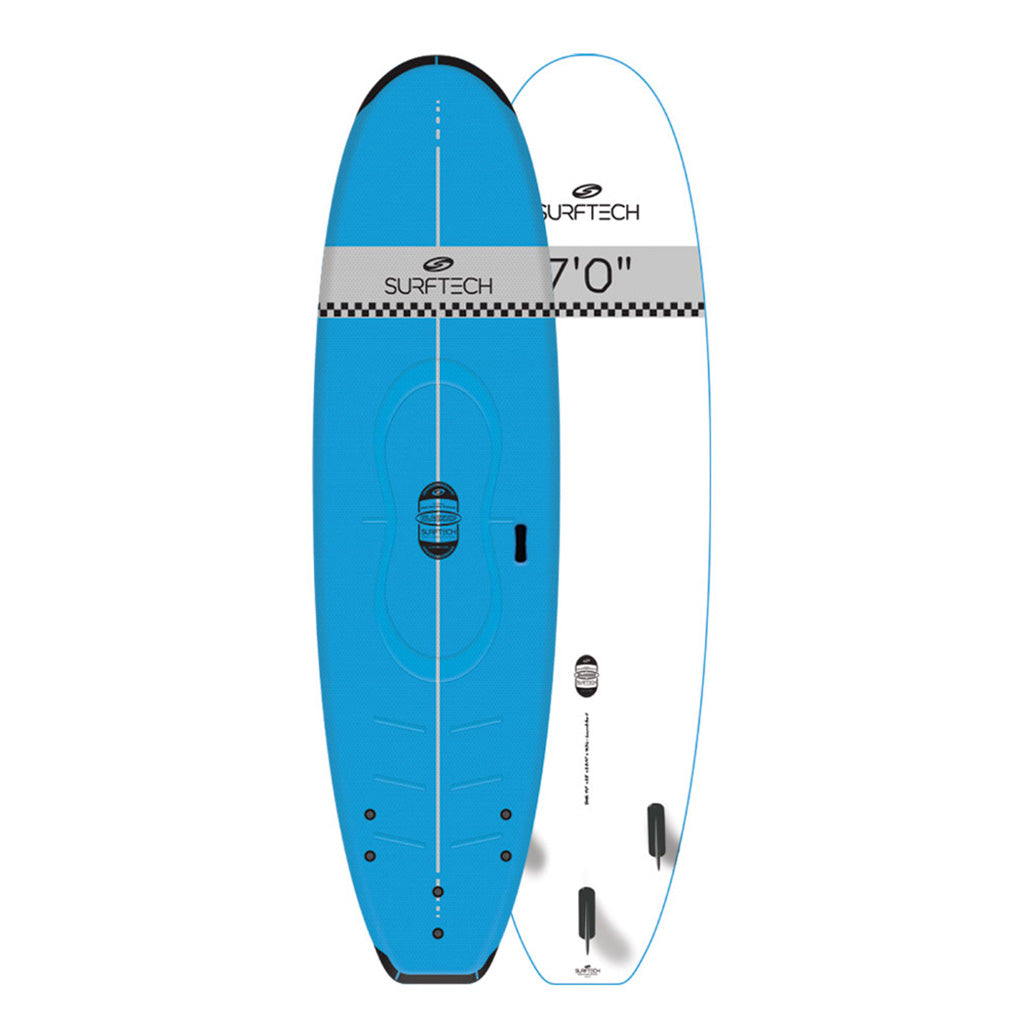
If you weigh between 50-60 kg (junior), we recommend a wide funboard of at least 5-6 feet. If you weigh up to 70 kg (teenager), you should choose a funboard or malibu of at least 6-7 feet. For those weighing between 70-80 kg, a funboard or malibu of at least 7 feet 2 inches is recommended. If you weigh between 80-90 kg, a malibu of at least 7 feet 6 inches is ideal. If you weigh between 90-100 kg, you should opt for a malibu or longboard of at least 8 feet 5 inches. And if you weigh over 100 kg, a malibu or longboard of at least 9 feet is recommended.
These guidelines provide you with a solid foundation for choosing the right surfboard, so you get the most out of your first experiences on the waves.
Surfboard types
There are different names for the various types of surfboards, and each type is designed for a particular style or use. Remember, hybrids between the classic board types are constantly being developed.
- Shortboard:The small, fast board with lightning-fast response, designed for maneuvers and sharp turns. Requires good technique and powerful, steep waves.
- Fish:An old-school board with a lot of volume on a short length, ideal for smaller and flatter waves.
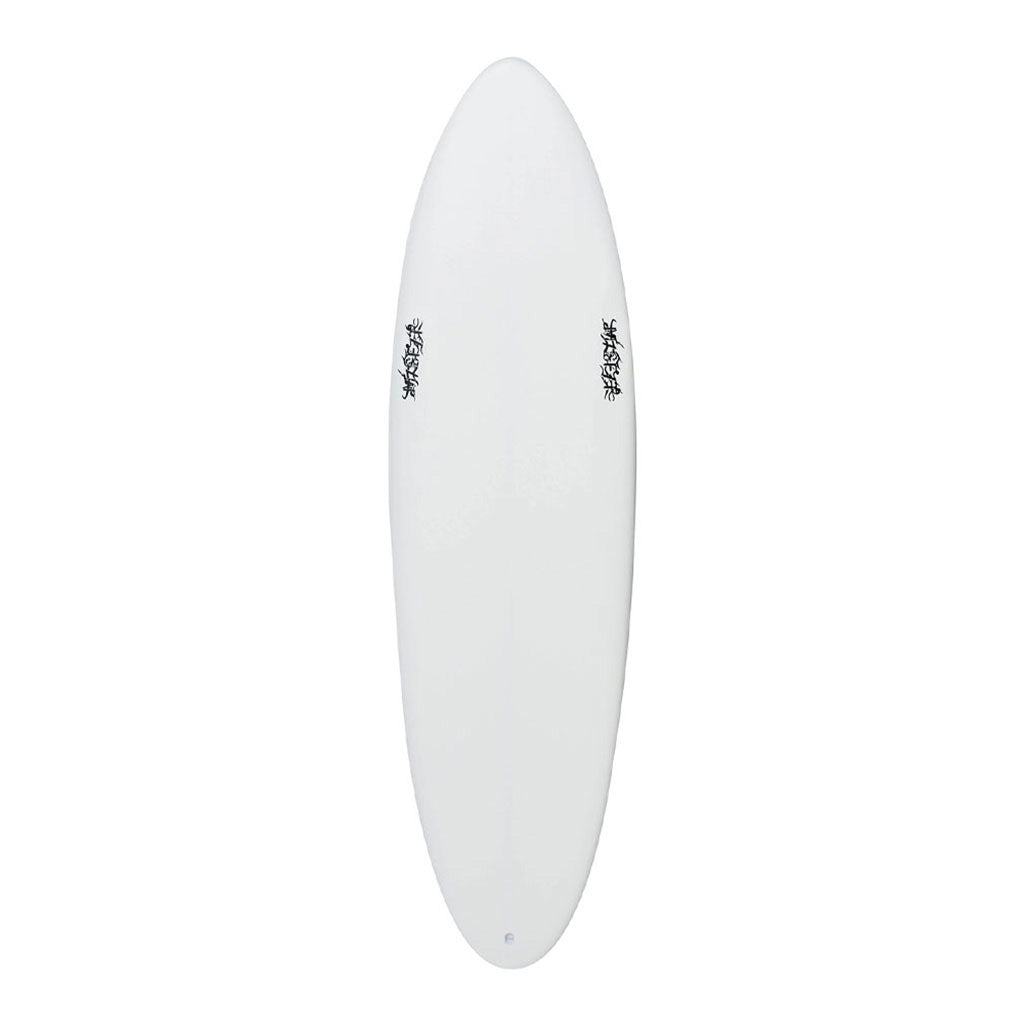
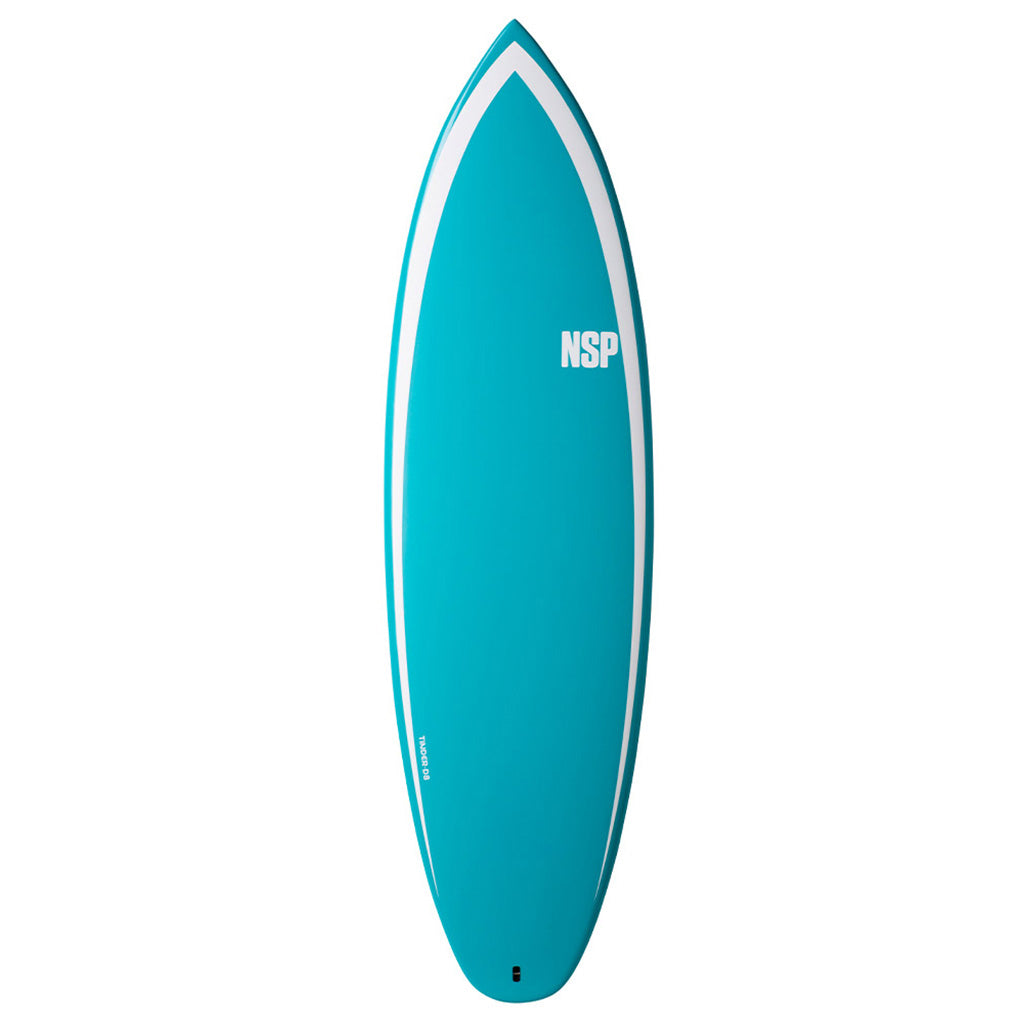
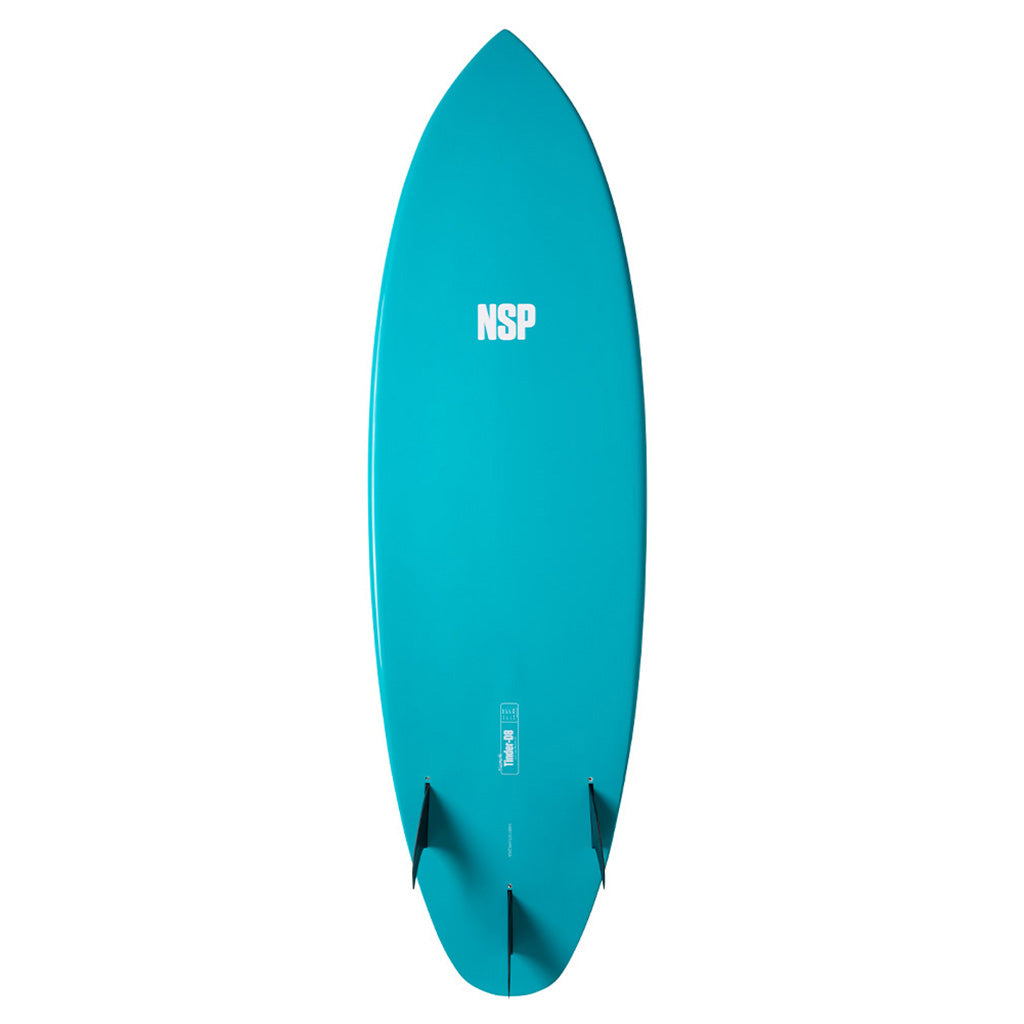
- Hybrid:Combining the characteristics of a fish and a shortboard – a board that maneuvers like a shortboard but with extra volume, so you catch more waves. Perfect for Danish conditions.
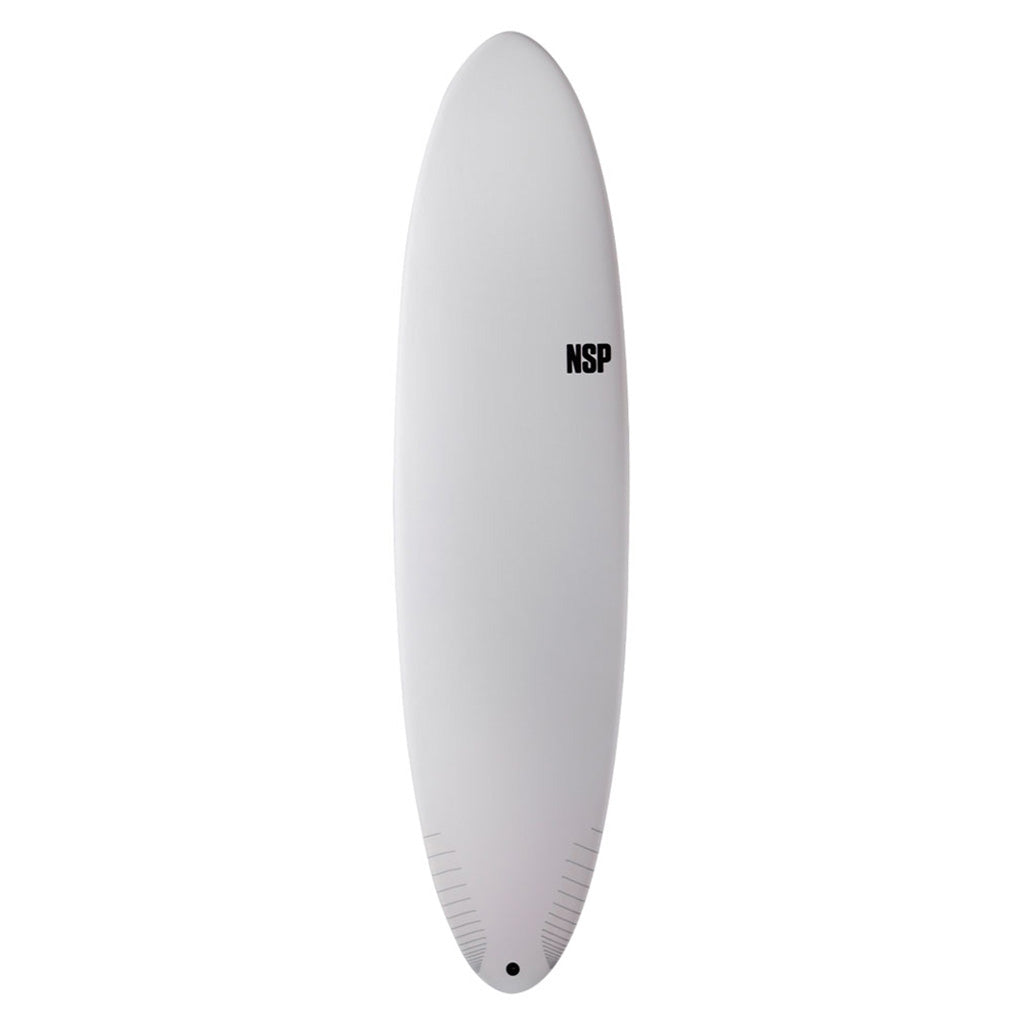
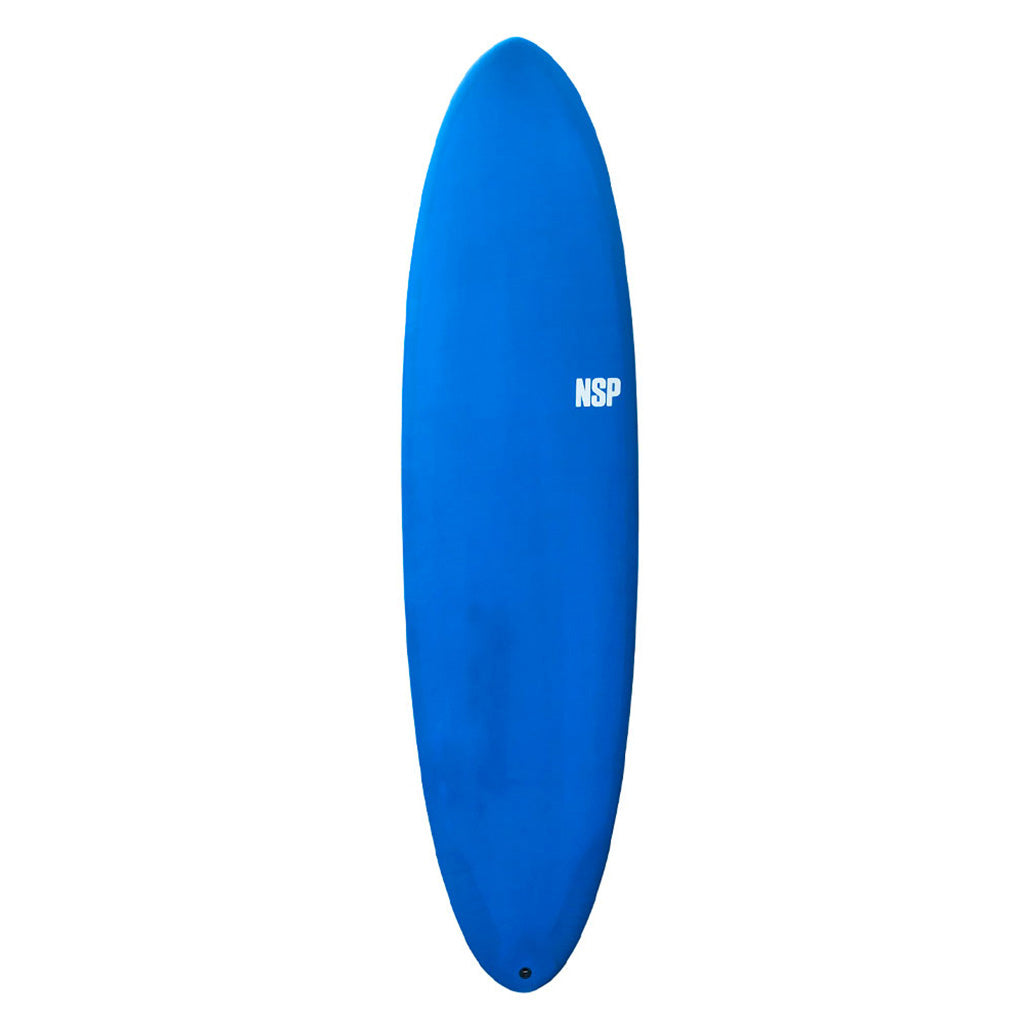
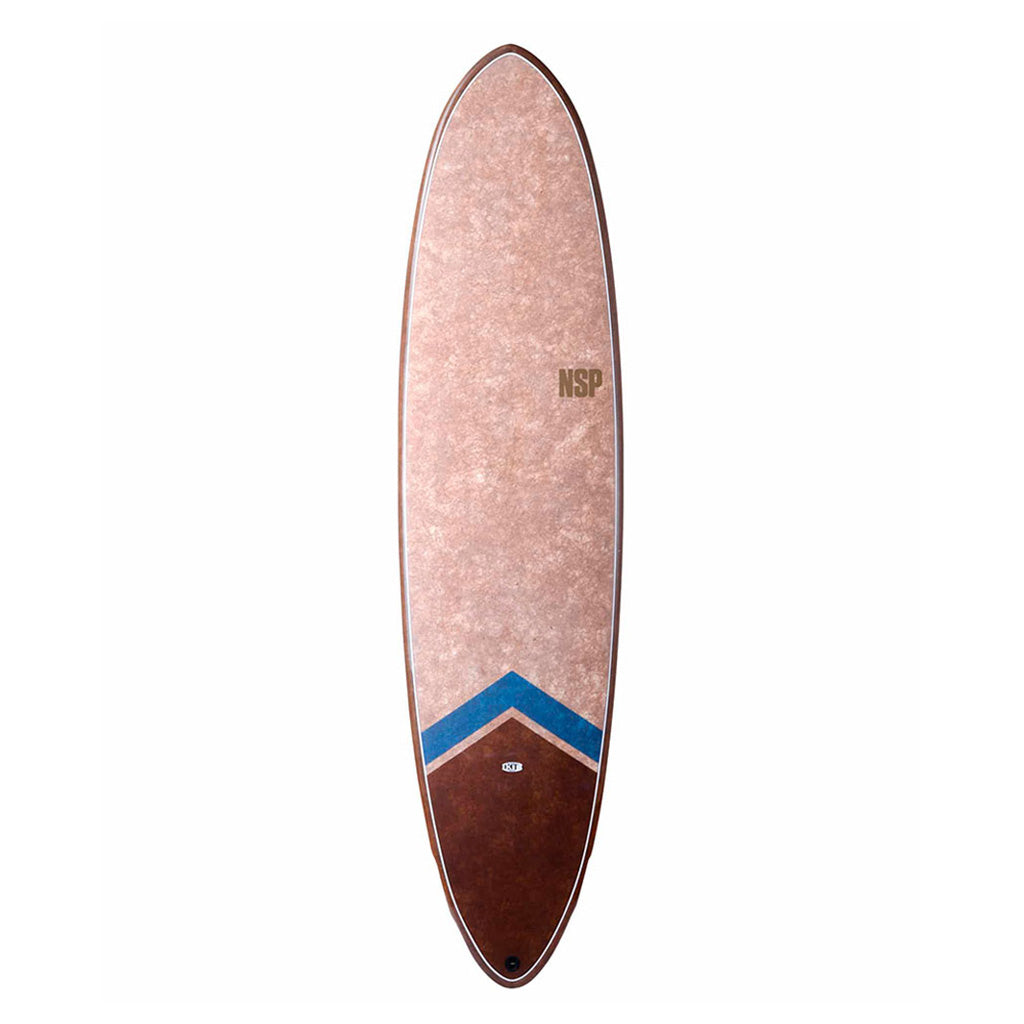
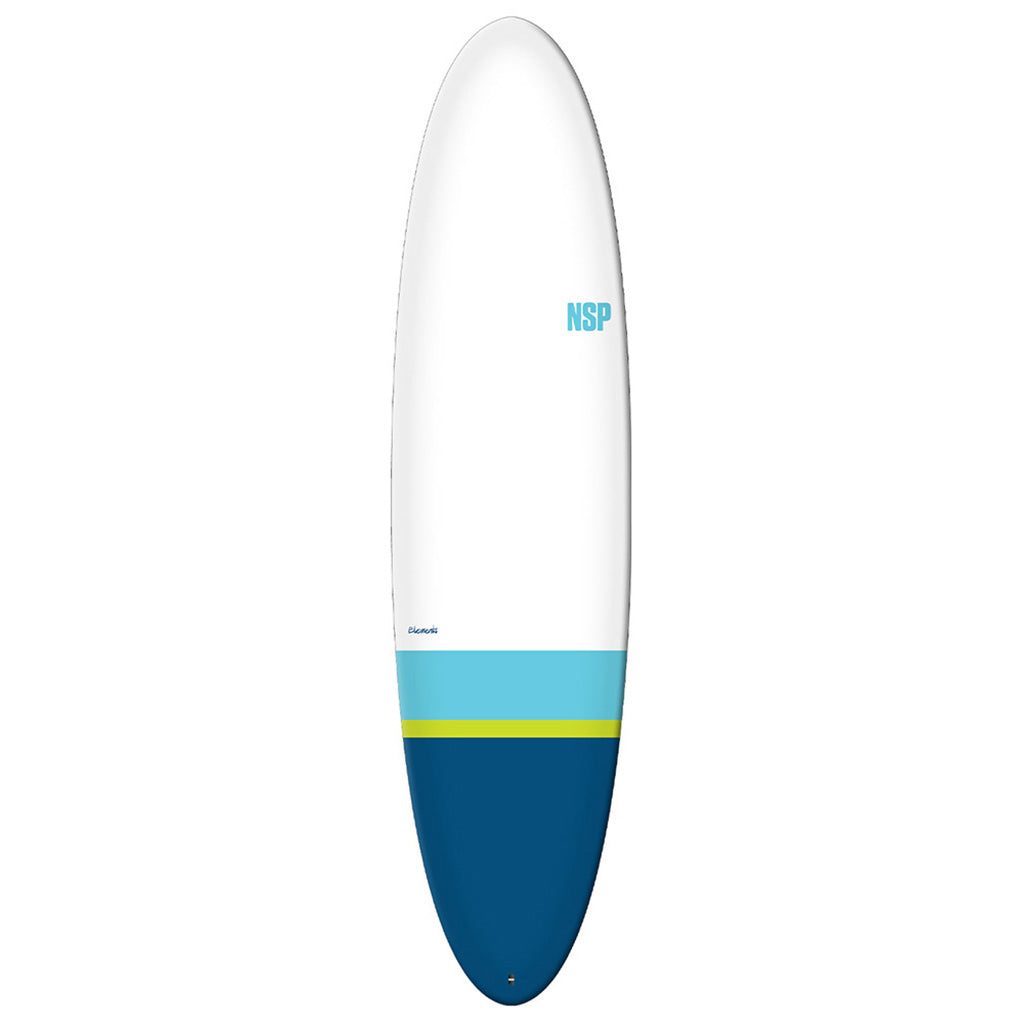
- Funboard:A popular board type, slightly longer than hybrid boards and with more volume. Often with a single fin setup – a fun board with many surf days in it.
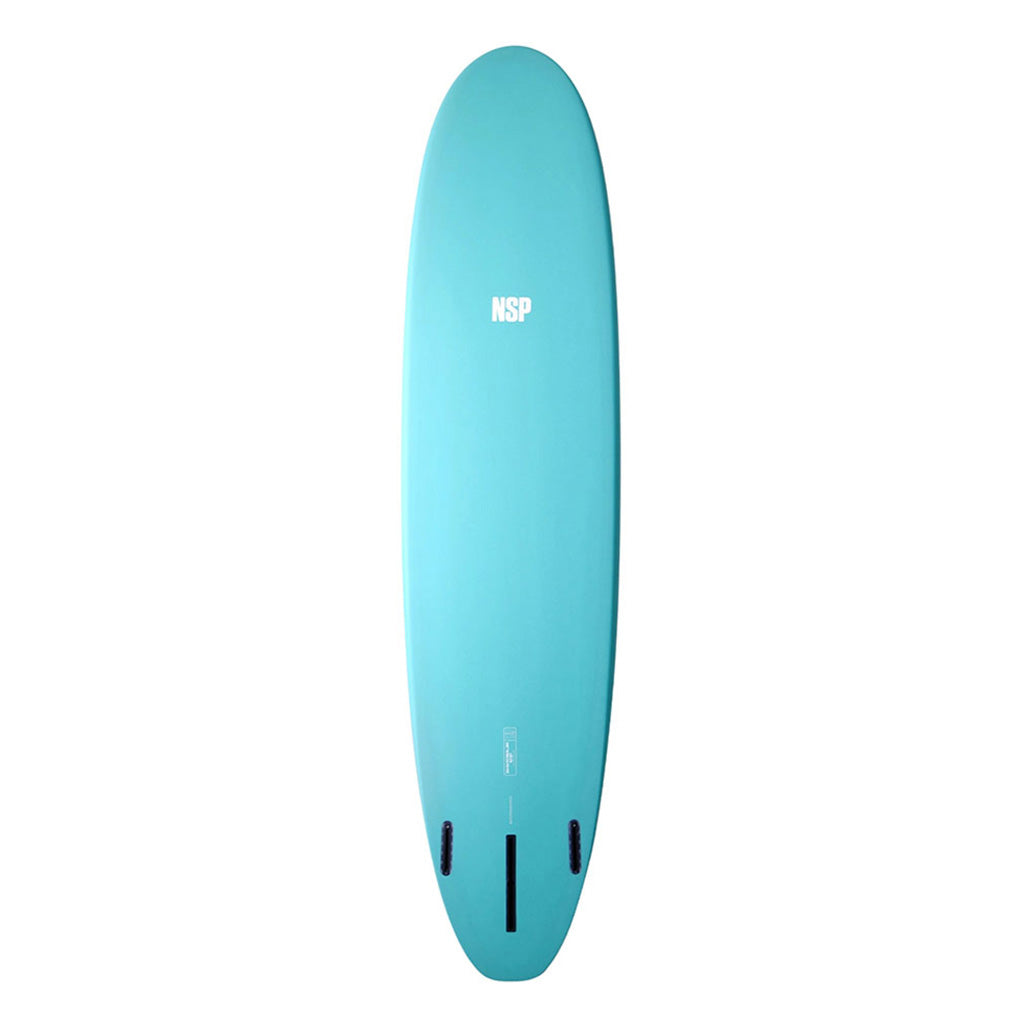
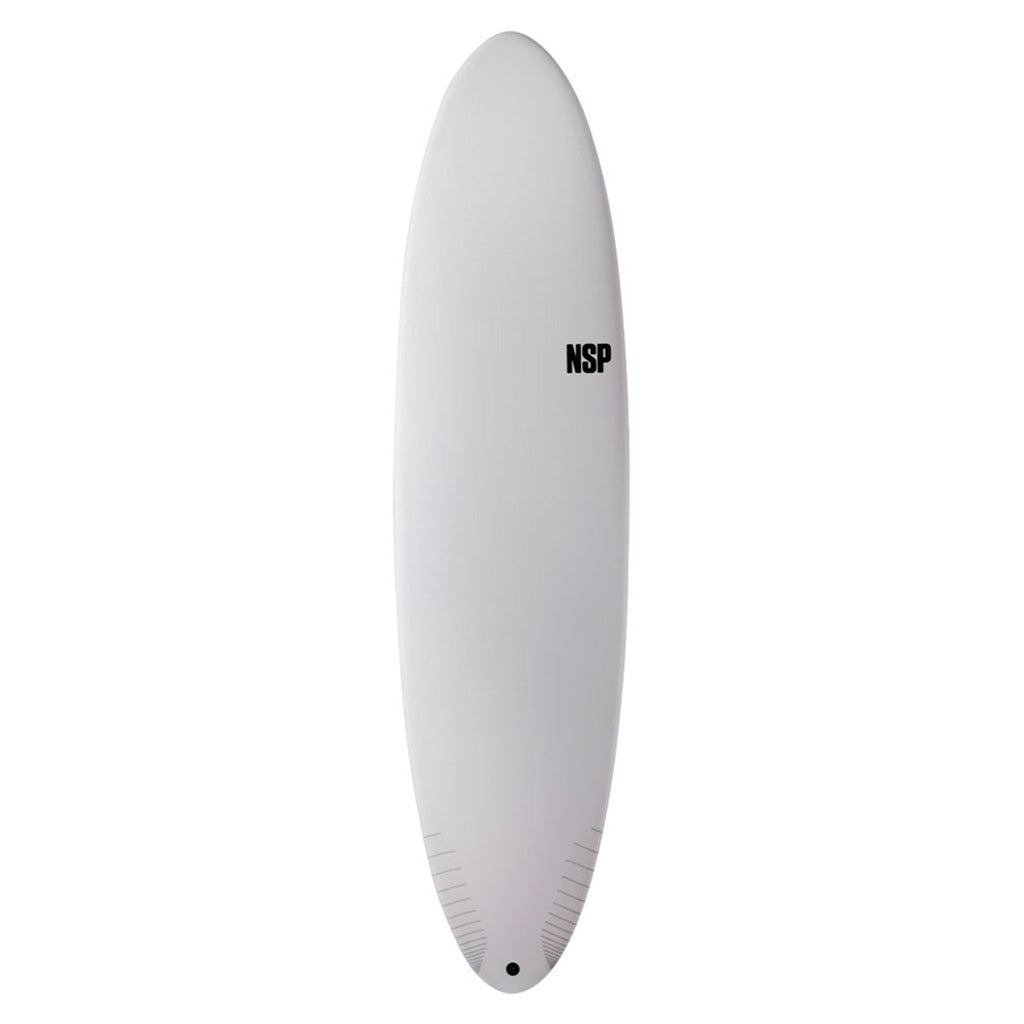
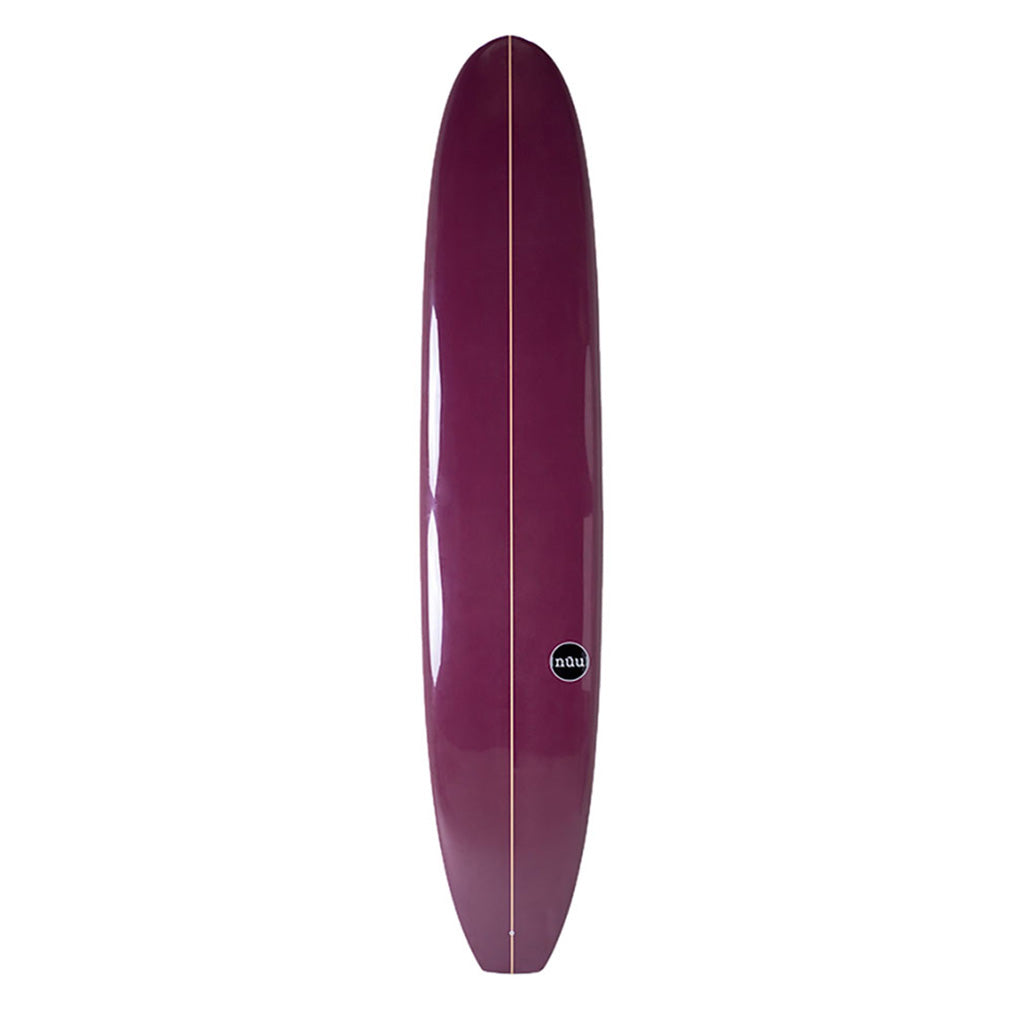
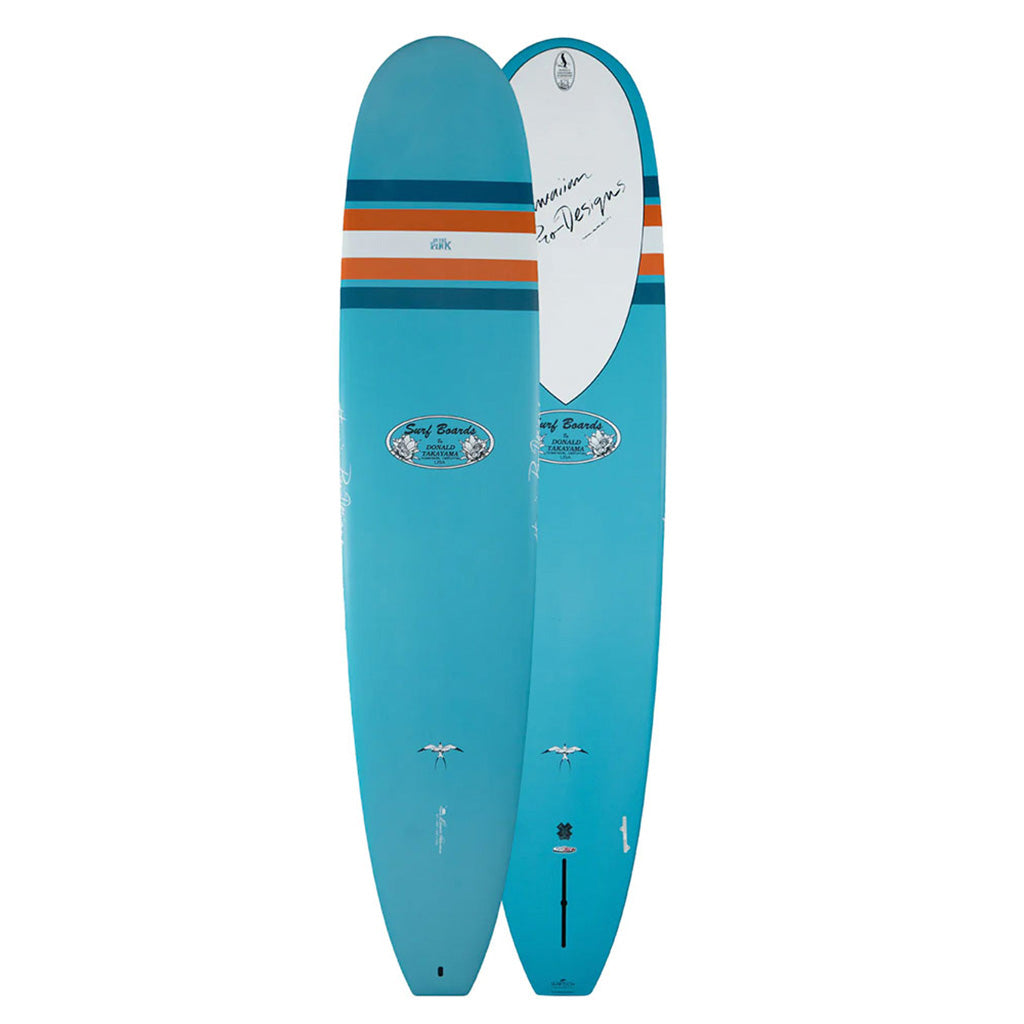
- Malibu:The classic board with a round nose, lots of stability and volume. Ideal for beginners as it is easy to maneuver and provides plenty of time on the wave.
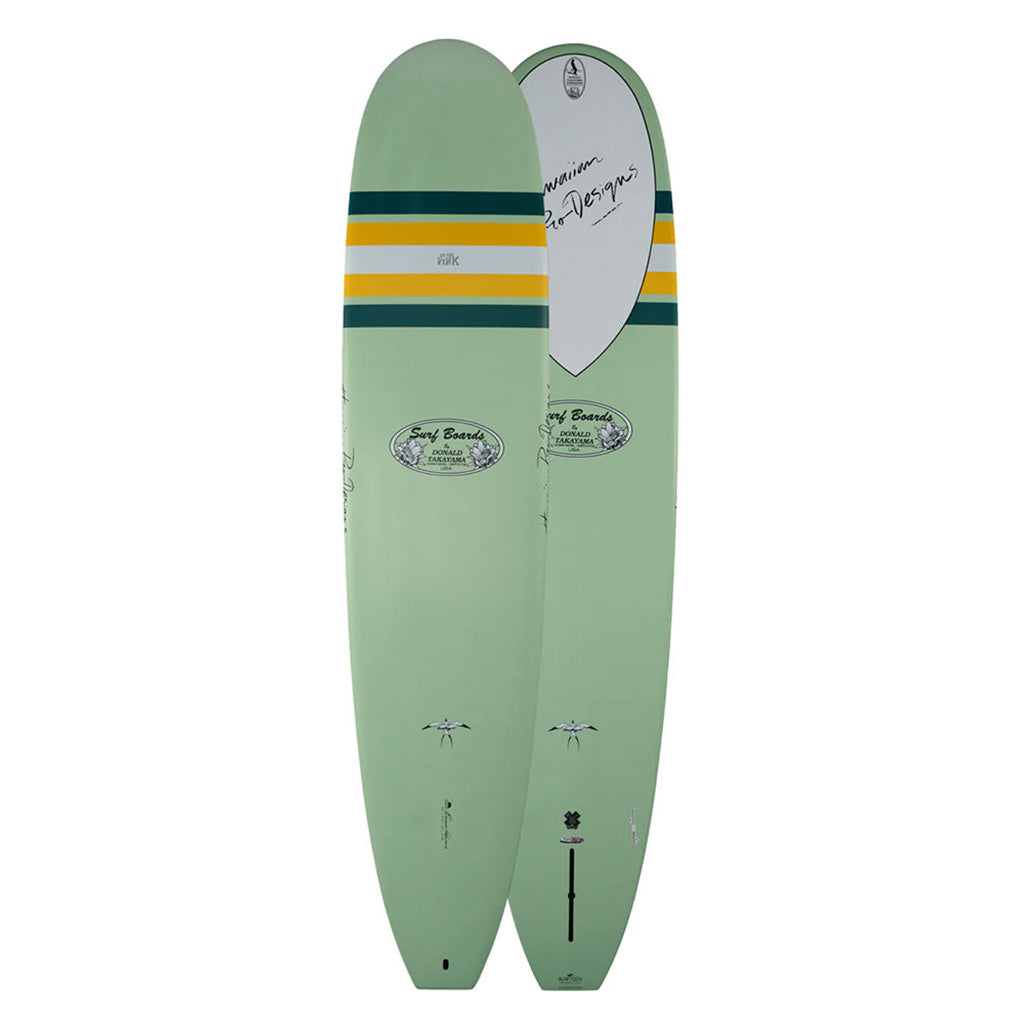
- Longboard:A discipline in itself, where style and maneuvers like cross step and hang five/hang ten are in focus. Very stable and perfect for smaller, flatter waves, where the board's large volume provides long rides.
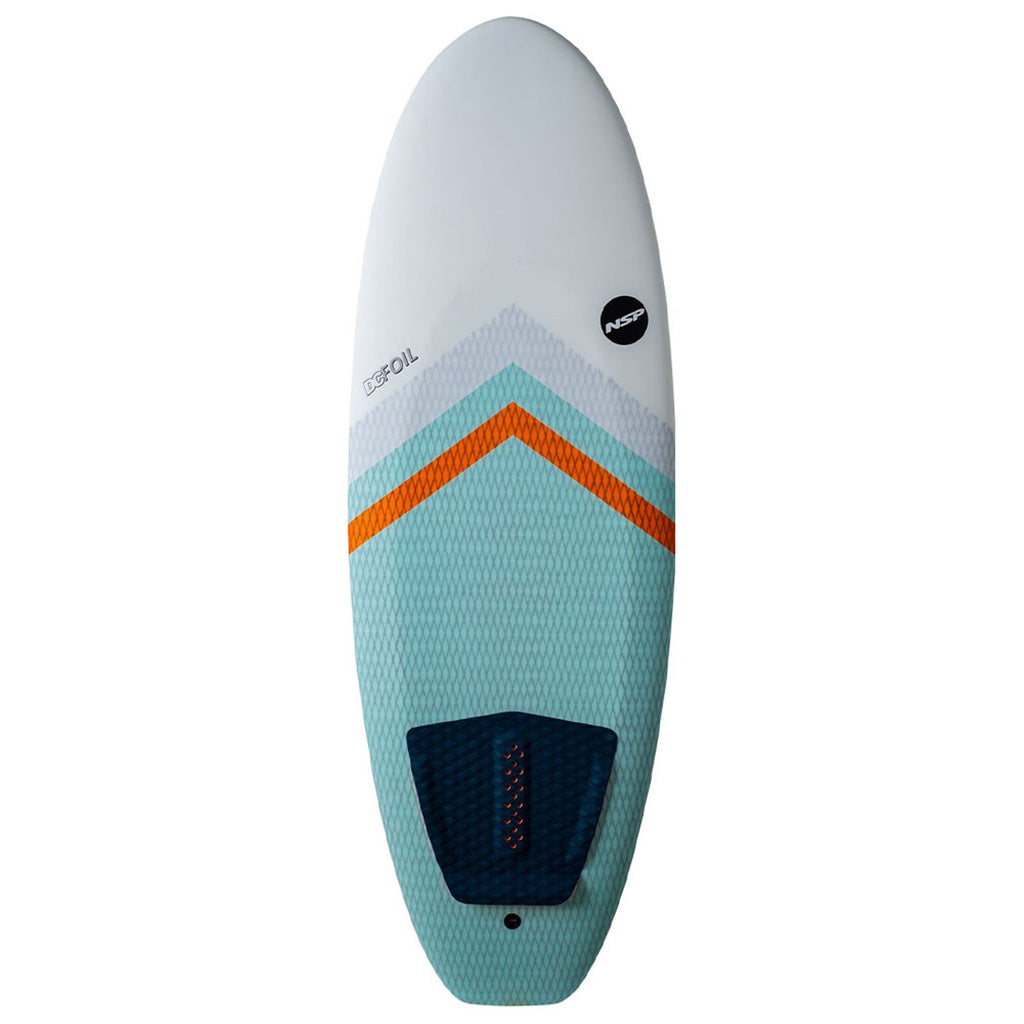
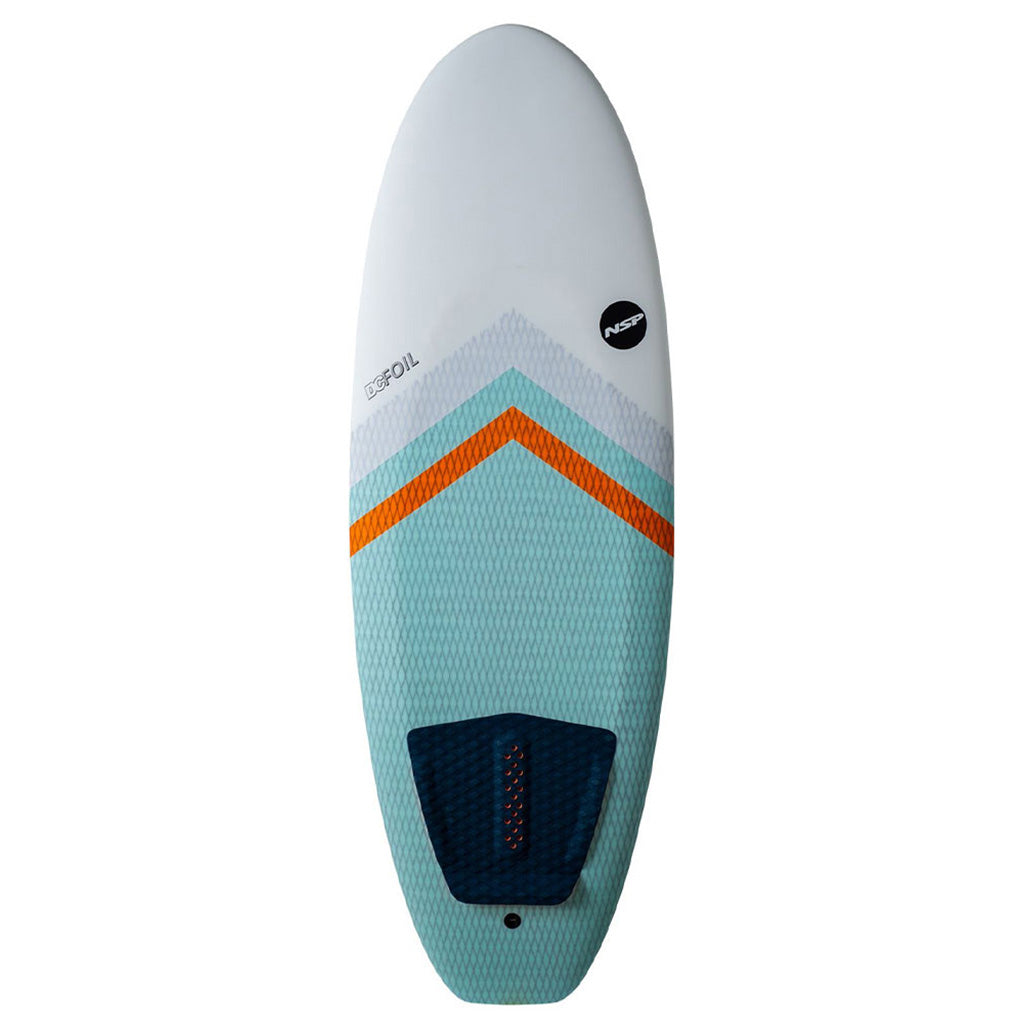
- Foil board:The latest development in surfboards, where the foil lifts the board above the water at low speed. Provides a whole new surfing experience and requires a special technique.
Other elements that vary on surfboards are bottom shape, tail, materials, edges, and rocker.
Do not hesitate to contact us at 9712 2965 if you want advice and guidance - we are ready to help you out in the waves. Surf's Up!