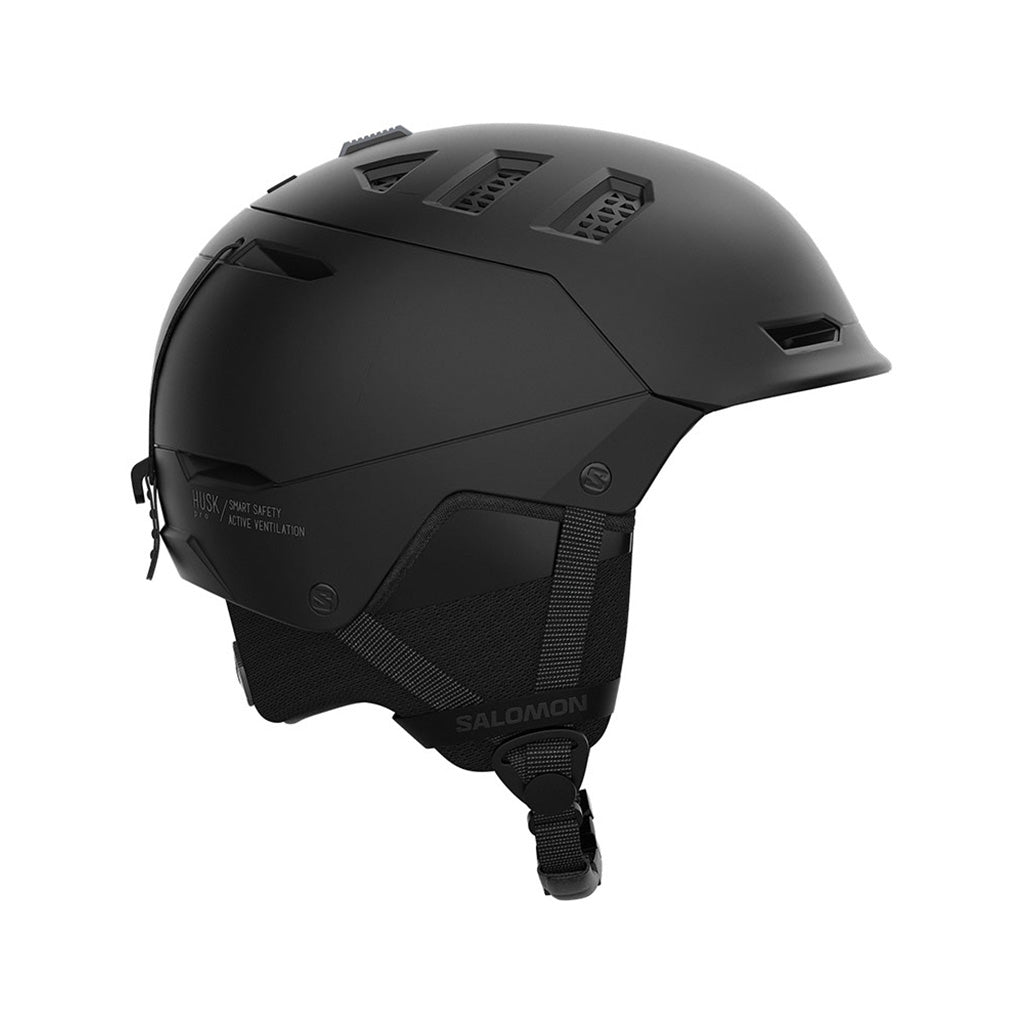
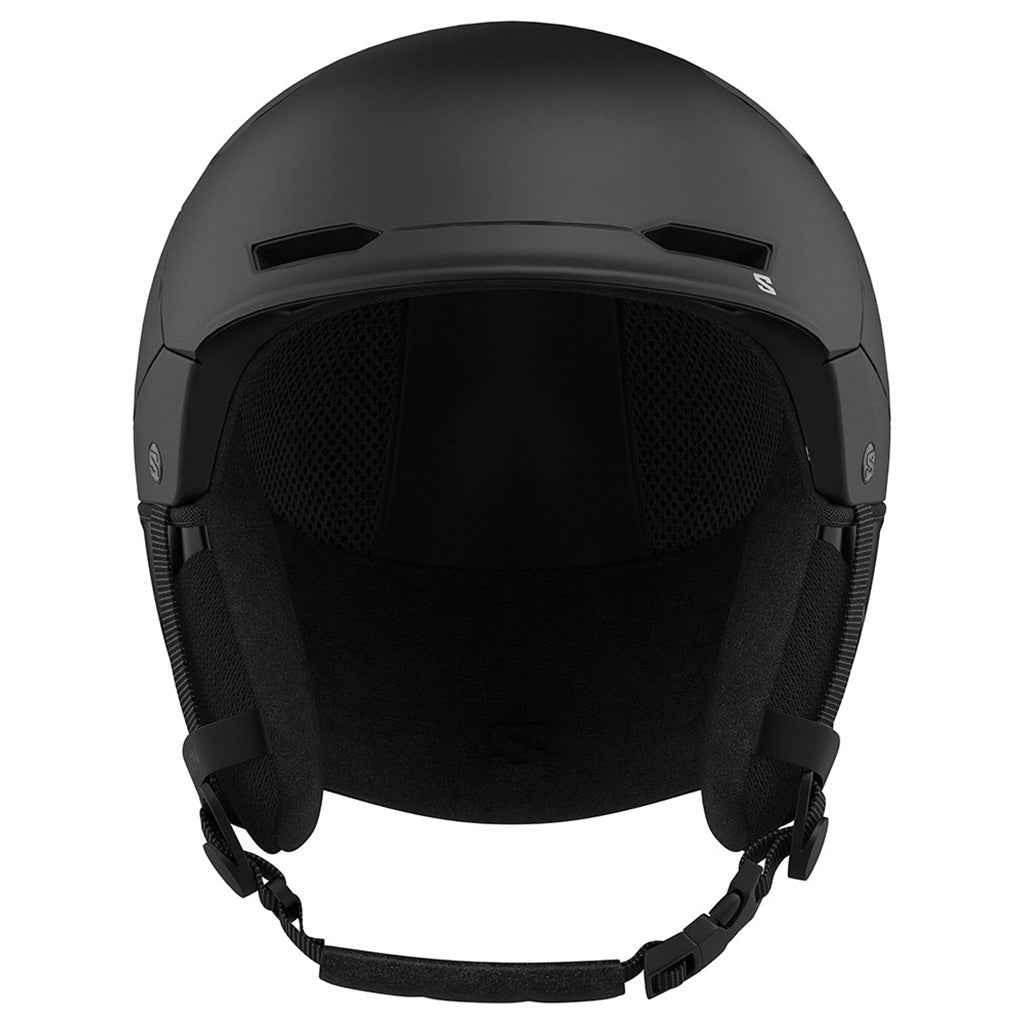
Ski helmet – your safety and comfort on the slopes
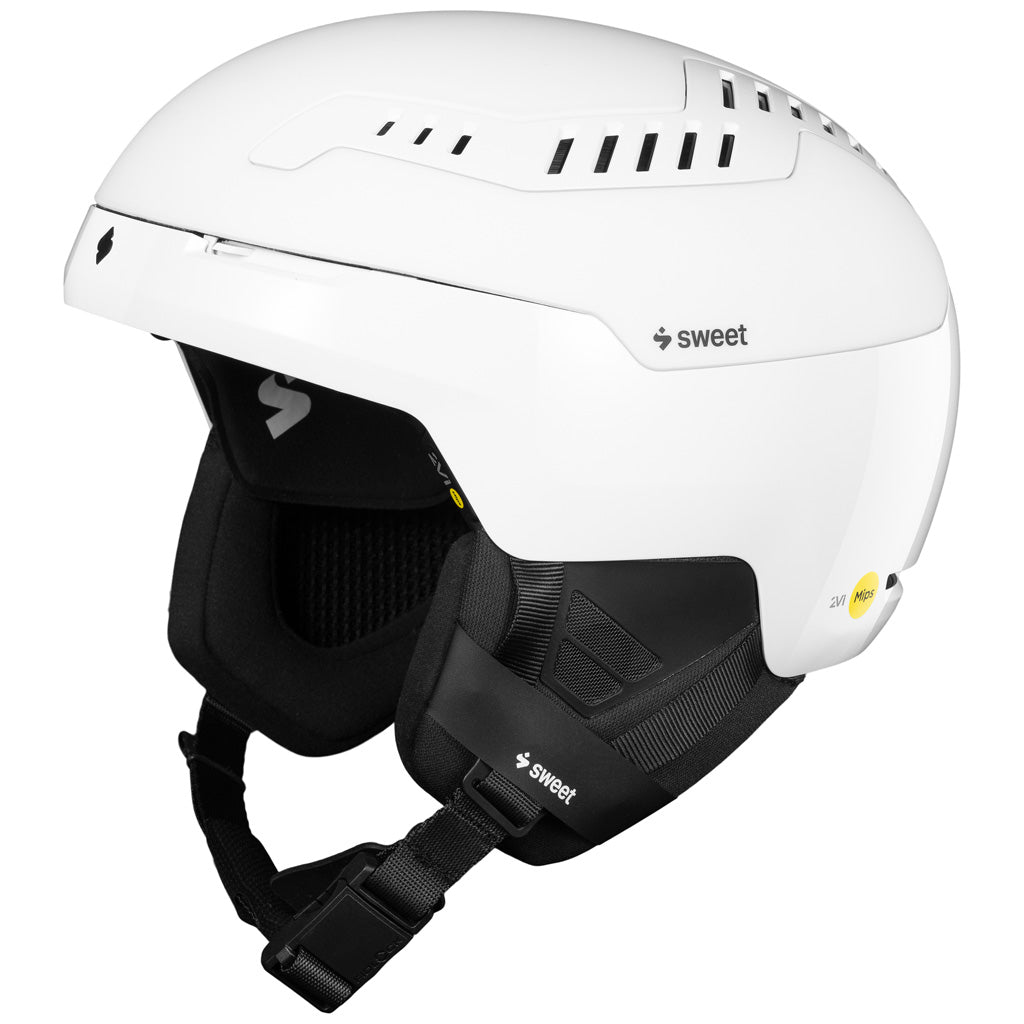
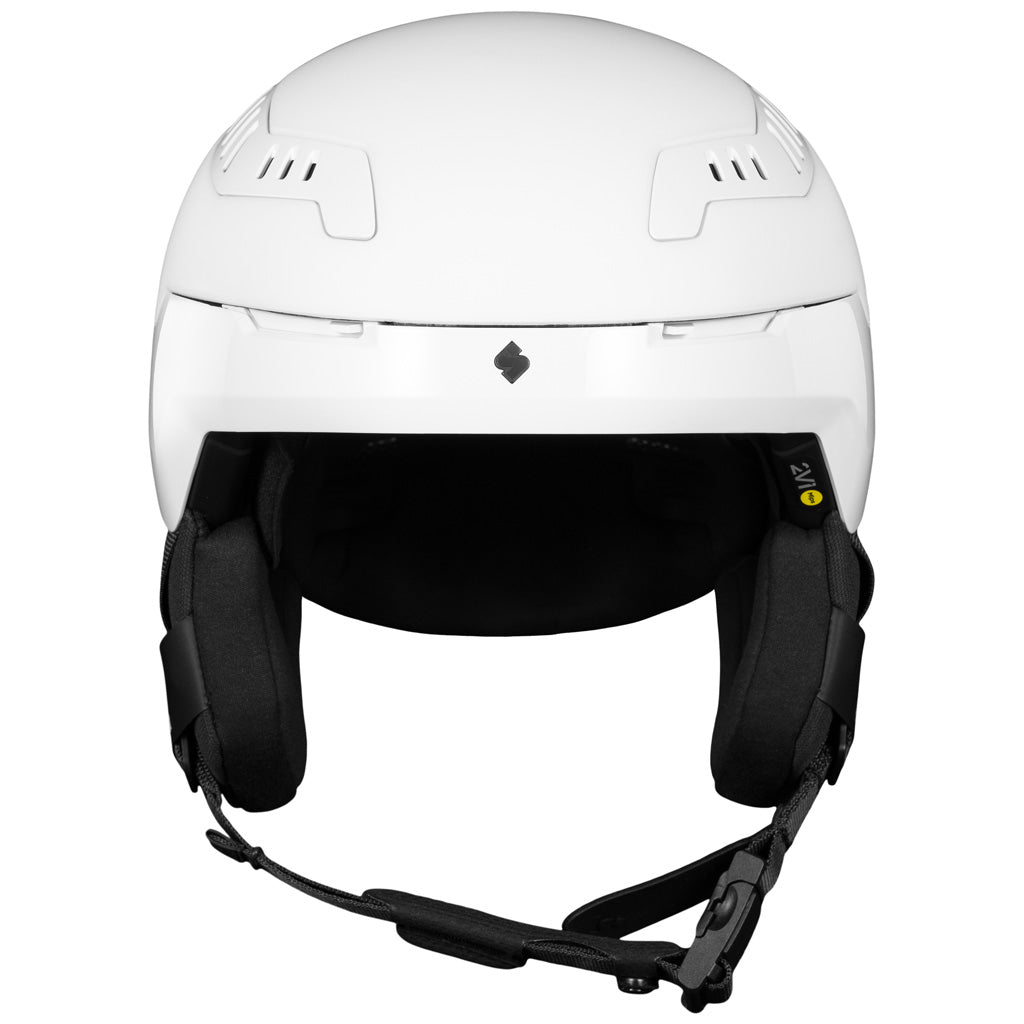
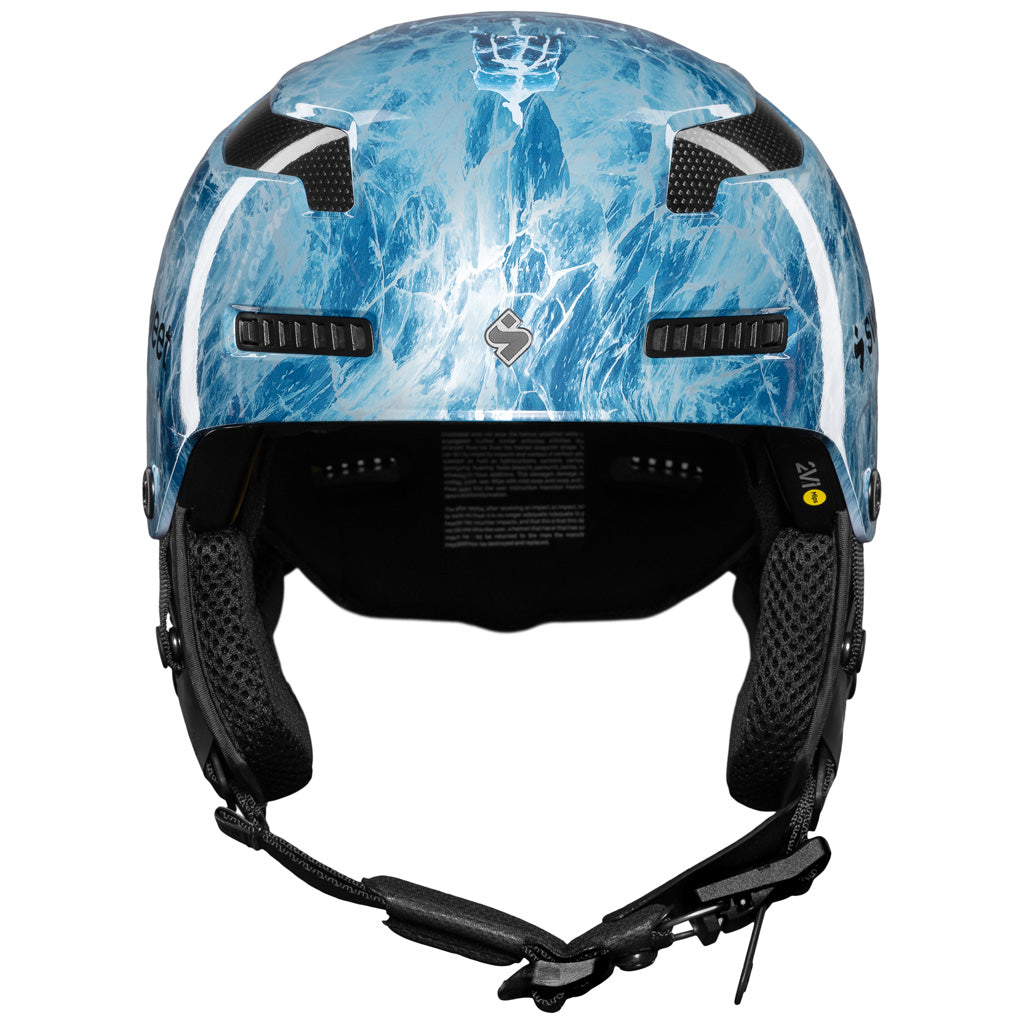
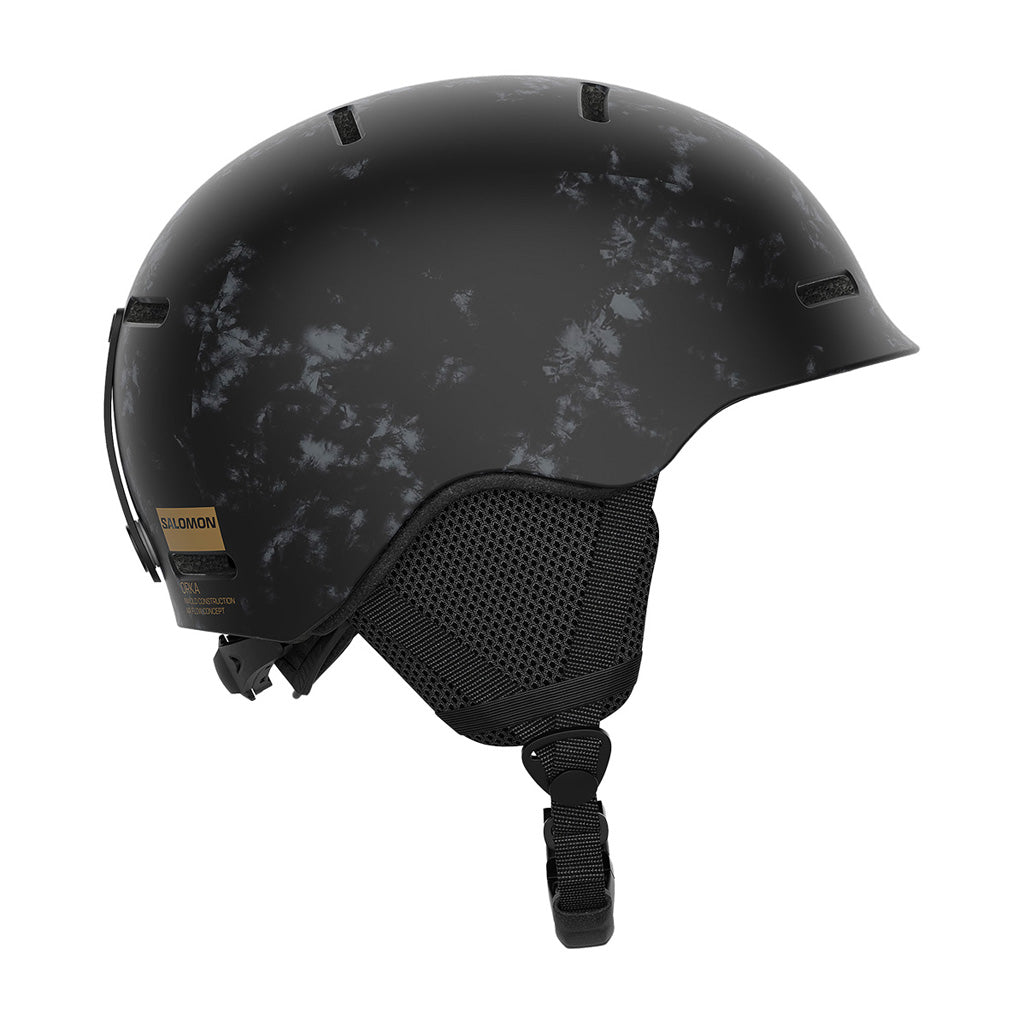
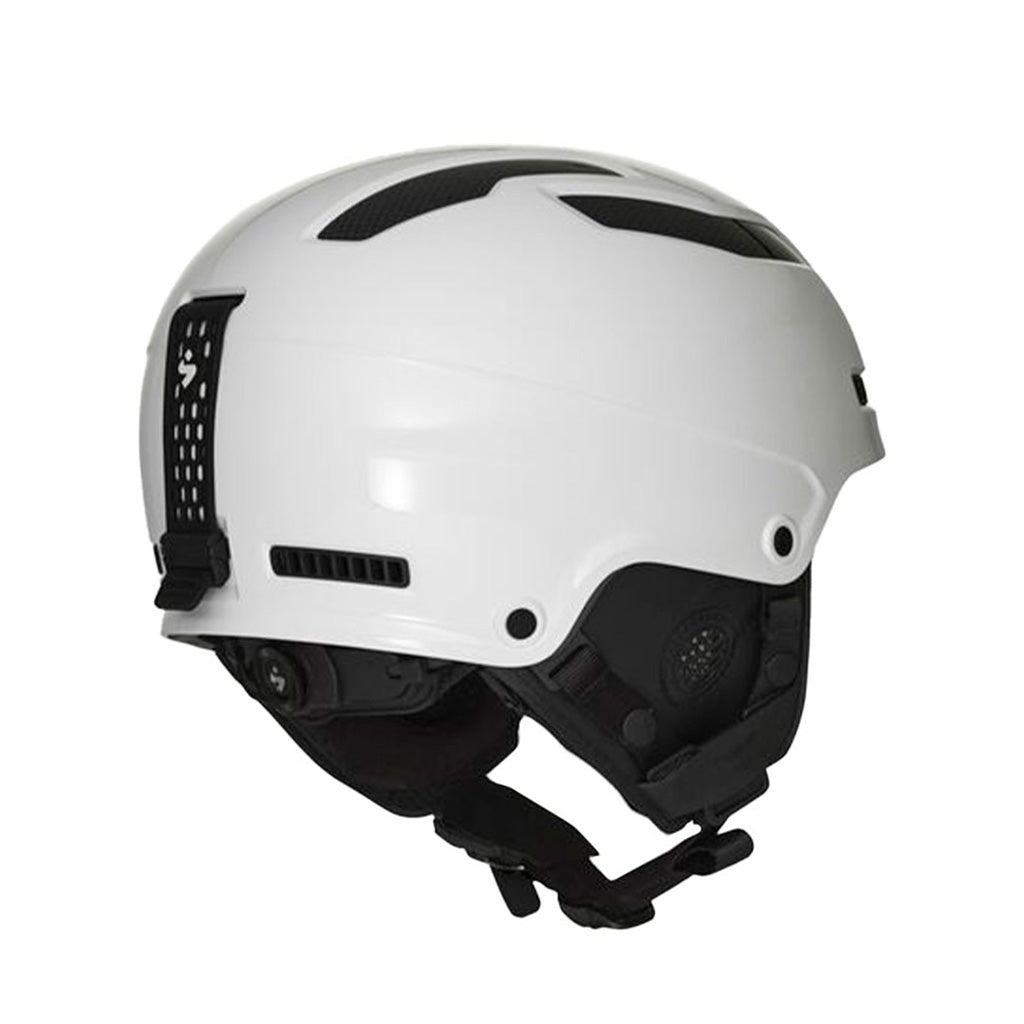
A ski helmet is an essential piece of safety equipment for anyone venturing onto the slopes – whether you are into alpine skiing, snowboarding, or cross-country skiing. As skiing becomes more popular, there is also an increased focus on safety, comfort, and functionality. A modern ski helmet is not just protection against head injuries but also an investment in your security and experience on the ski vacation.
Why should you always wear a ski helmet?
Ski helmets significantly reduce the risk of serious head injuries. Accidents can happen to both beginners and experienced skiers, and even a minor fall can have serious consequences without the right protection. Many ski resorts have made it mandatory to wear a ski helmet, especially for children and young people. A ski helmet not only protects against bumps and falls but also against cold, wind, and snow, making it an indispensable part of your ski gear.
Ski helmet with MIPS and WaveCel – advanced technology for your safety
When choosing a ski helmet, you should consider models with advanced technology such as MIPS (Multi-directional Impact Protection System) or WaveCel. Both technologies are developed to protect the head from rotational forces and reduce the risk of concussion in falls, but they operate in different ways.
What is MIPS?
The MIPS technology consists of a thin, low-friction layer inside the helmet, which allows the helmet to slightly rotate relative to the head in an angled impact. This movement mimics the brain's own protection mechanism and reduces the harmful rotational forces that can occur during an accident.
What is WaveCel?
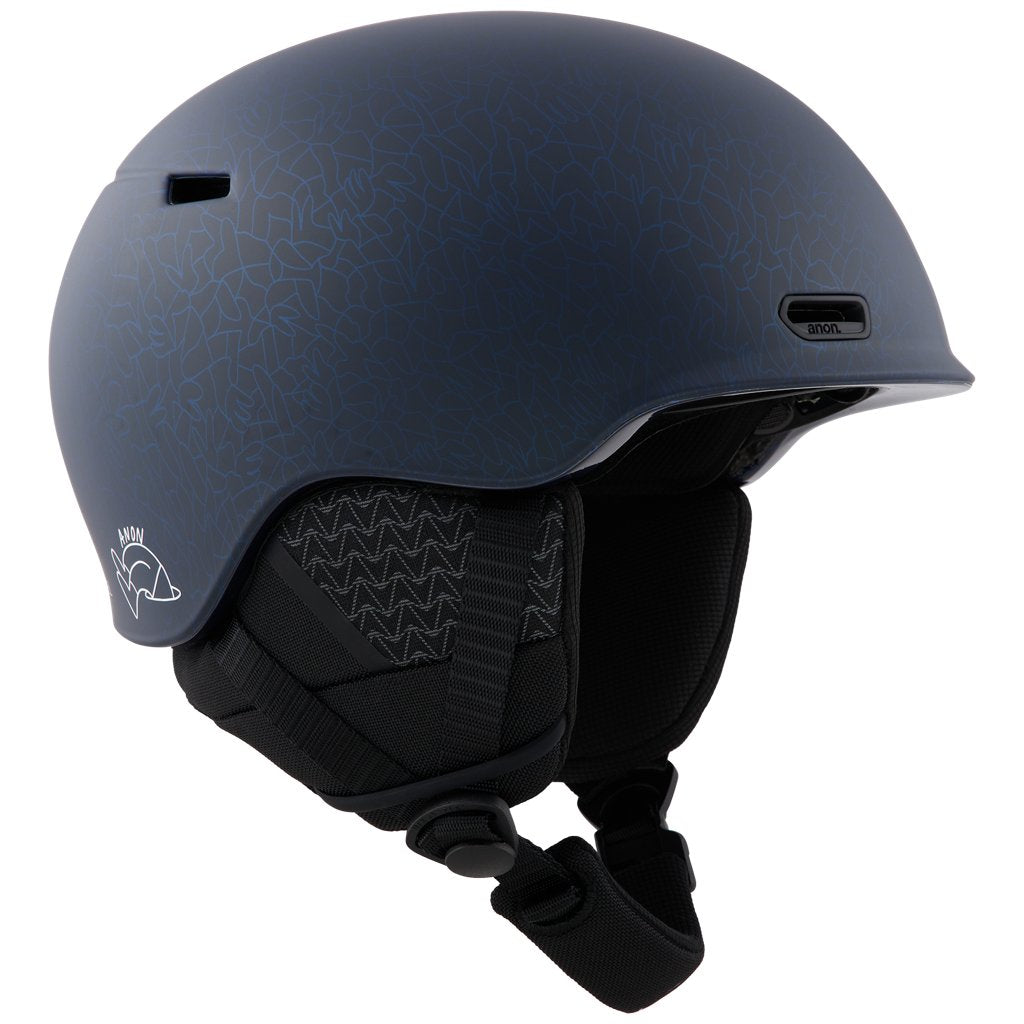
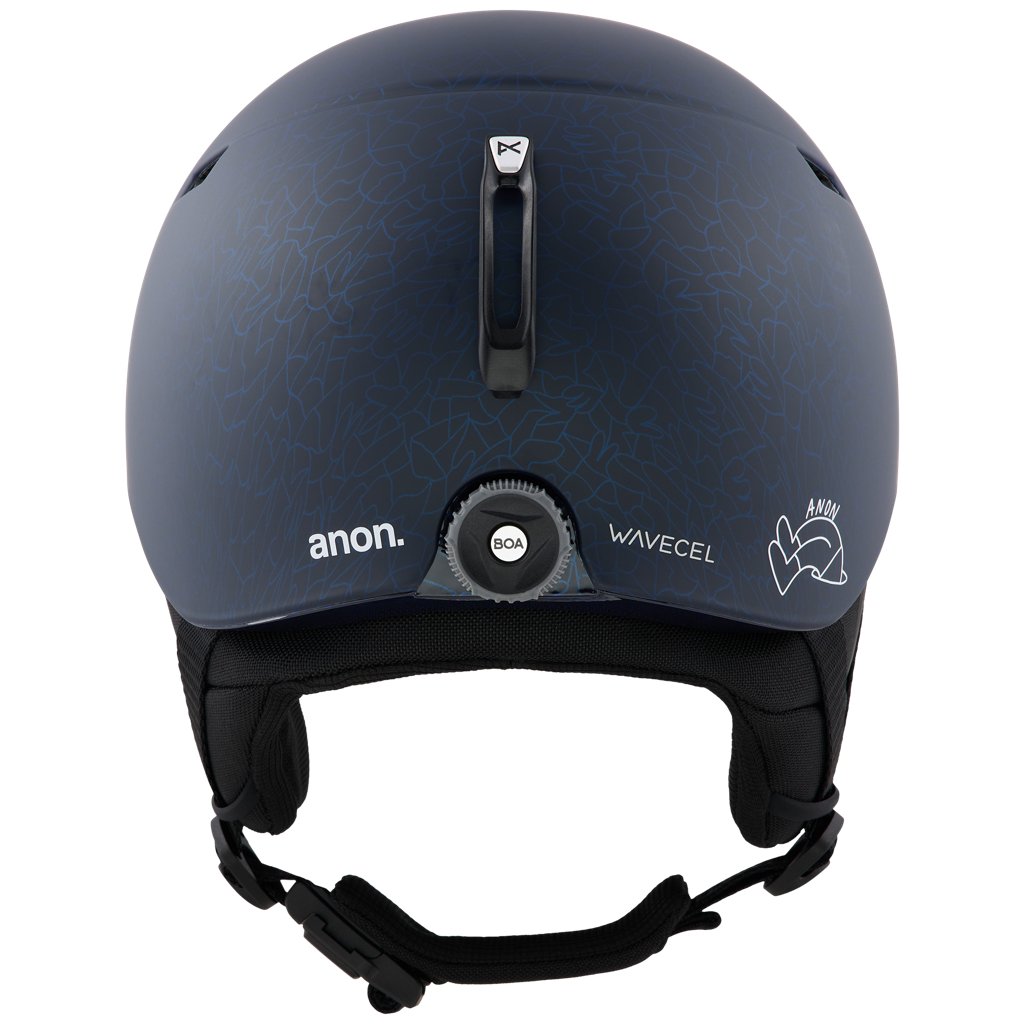
WaveCel is a newer technology that consists of a wave-shaped cellular structure placed between the helmet's outer shell and the inner foam. Upon impact, the WaveCel structure first bends, then compresses, and finally glides, absorbing both direct and rotational forces. According to several tests, WaveCel can reduce the risk of concussion even more effectively than traditional helmets and MIPS helmets.
Comparison: MIPS vs. WaveCel
Both technologies have documented effectiveness and are significantly better than traditional helmets without rotational protection. The choice between MIPS and WaveCel depends on your preferences for weight, comfort, and price.
How to find the best ski helmet
Choosing the right ski helmet is about more than just size. Here are some important factors:
- Size and fit:A ski helmet should fit snugly without pinching. Always try on the helmet with the hat or balaclava you will use on the slopes.
- Weight:Lightweight ski helmets provide greater comfort and less neck fatigue.
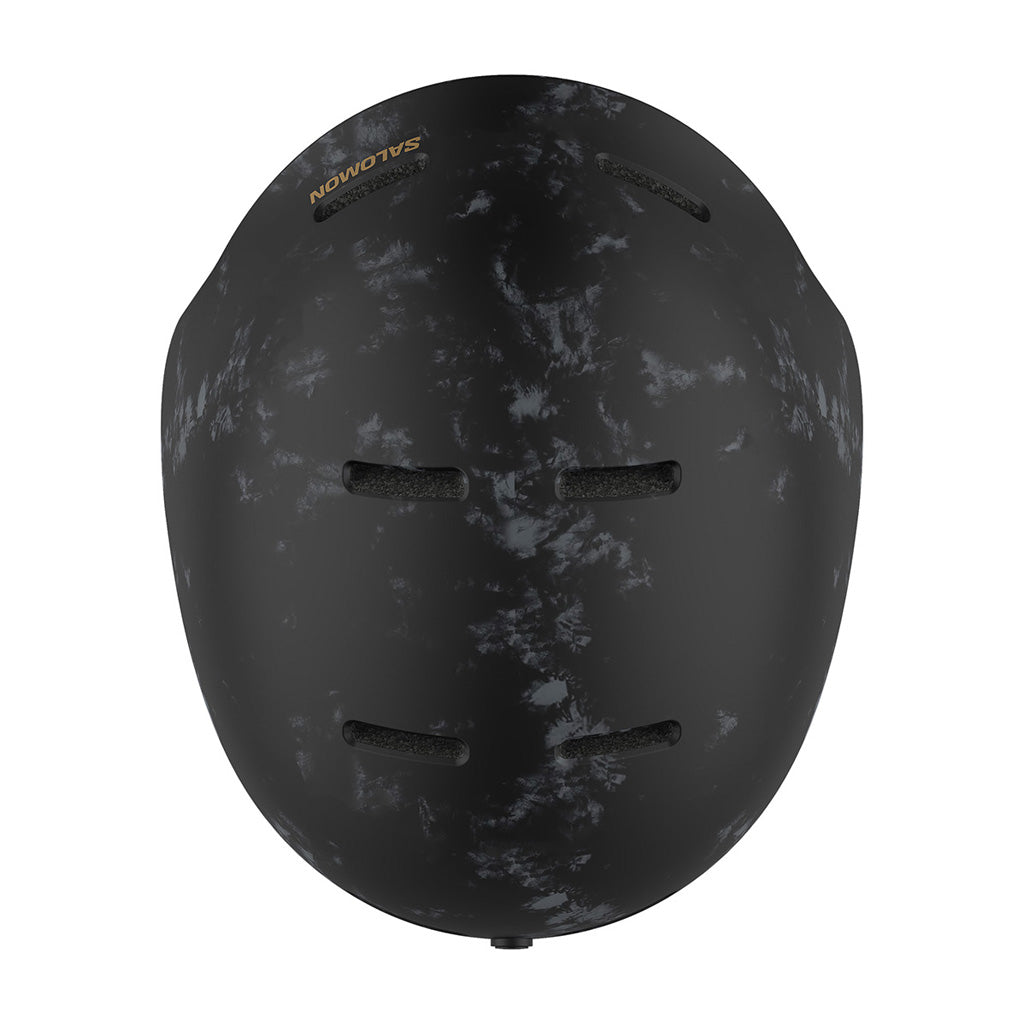
- Ventilation:Good ventilation systems prevent overheating and ensure a comfortable climate under the helmet.
- Compatibility with ski goggles:Make sure your ski helmet fits your ski goggles to avoid drafts and snow between the helmet and goggles.
- Certification:Always choose a ski helmet that is approved according to European or international safety standards.
Ski helmets for children and young people
Children and young people are particularly vulnerable on the slopes, so it is especially important to choose a ski helmet that fits perfectly. Many children's ski helmets have adjustable sizes so they can grow with the child. Choose a model with good ventilation and low weight so the child wants to wear the helmet all day.
Ski helmet with visor and extra features
More and more people are choosing a ski helmet with a visor, which combines a helmet and ski goggles in one. It provides a wide field of vision and effectively protects against sun, snow, and wind. Some ski helmets also have built-in Bluetooth, allowing you to listen to music or make phone calls on the slopes. Other models have the option to mount an action camera, so you can record your skiing experiences.
Maintenance and replacement of ski helmet
To ensure maximum protection, you should replace your ski helmet after a heavy impact or every 3-5 years, as the materials can weaken over time. Clean the helmet with a damp cloth and avoid chemicals that can damage the material. Always store your ski helmet in a dry place, away from direct sunlight.
Ski helmet deals and prices
There is a wide range of ski helmets available in different price ranges. You can often find good ski helmet deals online or in sports stores, especially outside of peak season. It's important not just to go for the cheapest model, but to choose a helmet that meets your safety and comfort requirements.
Ski helmet test and reviews
Before you buy, it can be beneficial to read ski helmet tests and reviews from other users. Here you gain insight into which models perform best in practice and which features are most popular among skiers.
Conclusion – choose the right ski helmet
A ski helmet is not just a choice, but a necessity for anyone who wants a safe and secure experience on the slopes. Whether you choose a classic model, a ski helmet with a visor, a helmet with MIPS, or a helmet with WaveCel, the most important thing is that it fits perfectly and meets the highest safety standards. Make the ski helmet a permanent part of your ski gear – it's an investment in both your safety and comfort on the slopes.