Why fitness is important
Skiing holidays are a great opportunity to enjoy the beautiful winter landscape and challenge yourself on skis or snowboard. Whether you're a beginner or an experienced skier, it's important to be physically ready for your ski vacation to avoid injury and get the best experience. When it comes to ski vacations, it's important to be physically ready for the best experience. Being physically prepared before your ski vacation can have several benefits; firstly, being physically fit helps you avoid injury. Skiing is a physically demanding activity that can put pressure on your muscles and joints. By exercising and strengthening your body before skiing, you reduce the risk of injuries such as sprains, strains and fractures. A strong body can better withstand the challenges that come with skiing and snowboarding.
In addition, good physical fitness can increase your performance on the slopes. Skiing and snowboarding require both strength and endurance. By training specific muscle groups such as legs, core and arms, you can improve your technique and performance on the slopes. You'll find it easier to keep your balance, control your movements and maintain energy throughout the day. This will result in a more comfortable and fun experience.
Finally, good physical fitness can also help reduce fatigue. Ski travel can be both physically and mentally challenging. Being in good shape will help you cope better with the physical strain and avoid becoming too tired and exhausted. You'll have more energy to enjoy your time on the slopes and participate in other activities throughout the day.
Whether you're a beginner or an experienced skier, or you're heading to Austria, France, Norway or somewhere else entirely, you should prioritize your physical fitness when planning your ski holiday. By being physically ready, you'll minimize the risk of injury, improve your performance and increase your enjoyment on the slopes. So do yourself a favor and give your body the necessary training and preparation so you can get the most out of your ski holiday.
Training exercises
Below are a number of exercises that can be done in a short amount of time both at home or in the gym. We recommend doing them in the weeks leading up to your skiing holiday to be as ready as possible and avoid having to shorten your trip due to a preventable injury.
Slalom jumps
- Perform jumps where you move from side to side and back and forth.
- Try jumping up on a stool and jumping down again.
- Go for a run in the woods and challenge yourself by jumping over logs.
Downhill running
- Stand with your legs slightly apart and your back facing a chair or something similar.
- Slightly bend your knees so that you lightly touch the ground and bring your arms in front of your body.
- Hold this position for 5 seconds and repeat the exercise 15-20 times.
Forward in the boot
- Start with your legs slightly apart.
- Take a step forward on your left leg and bend your right knee so that your lower leg is horizontal.
- Keep your right forefoot still. Bend slightly forward at the hips without rounding your back and move your upper body forward. Maintain the natural sway of your lower back and return to the starting position.
Balance exercises on a seesaw
Do deep squats on a seesaw or other balance device.
Side planks
- Lie on your side with your elbow/forearm and the outside of your foot touching the ground.
- Lift your pelvis up so that your body forms a straight line. Keep your back slightly arched, keep your shoulders down and pull your shoulder blades in towards your body.
- Extend your arm towards the ceiling and lower it again.
- Perform this exercise routine 2-3 times, but start slowly.
It is also recommended to do a thorough warm-up with a walk or bike ride first, and if you have any pre-existing ailments or minor injuries, seek consultation from a professional trainer or physiotherapist who can provide you with a more specific training plan to get you ready for your ski vacation.
The most common injuries
Knee injuries
Knee injuries are the most common skiing injury and often involve ligament damage in the knee. To avoid these injuries, it's important to make sure your bindings are correctly adjusted and working properly.
Ankle injuries typically occur during cross-country skiing when you twist your foot. To prevent these injuries, balance training is recommended.
Head injuries
Head injuries can occur if you collide with objects such as lifts, pillars, railings or even other skiers. We recommend everyone to wear a helmet as modern helmets are smart, lightweight and affordable. Children should always wear helmets and if you do a lot of jumping or tricks, you should also wear a helmet. We've written an entire blog post about ski helmets, why it's important to wear them and what technologies are available to maximize safety. You can read it HERE
Wrist fractures
Wrist fractures are the most common injury among snowboarders. If you are snowboarding, jumping or performing tricks on skis, it is recommended to use wrist guards to avoid these injuries.
Back injuries
Back injuries have become more prevalent as more ski tourers experiment with jumps and tricks on skis. If you are snowboarding, jumping or performing tricks on skis, you should use a back protector. A back shield is designed to absorb and distribute the impact of a fall. Its main function is to protect your spine and internal organs from serious injury. We have also written a detailed post about this, which you can read HERE.

Finger injuries
Thumb injuries are often caused by the ski pole. Falling with a ski pole in your hand can cause ligament damage in the thumb. It is recommended not to use the strap on the ski pole or use it correctly. If you experience a thumb injury, you should always have it assessed by a professional as surgery is often necessary.
Equipment must be in order
When it comes to skiing, it's not just your physical fitness that plays an important role in avoiding injury - it's also important that your equipment is in order. Having the right equipment can be crucial for your and others' safety and comfort on the slopes.
Firstly, it's important to wear the right protective gear. A helmet is essential to protect your head from potential injuries in accidental falls. It's also recommended to use protective equipment such as back shields, wrist supports and knee pads to minimize the risk of injury to vital areas of the body. By investing in and using the right protective equipment, you can significantly reduce the risk of serious injury.

In addition, it's important to have the right ski or snowboard equipment to suit your skill level and the terrain conditions. By having your equipment professionally fitted, you can ensure that your skis or snowboard have the right length, flexibility and binding settings. Incorrectly adjusted equipment can lead to loss of control, instability and increased risks of falling or injuring yourself.
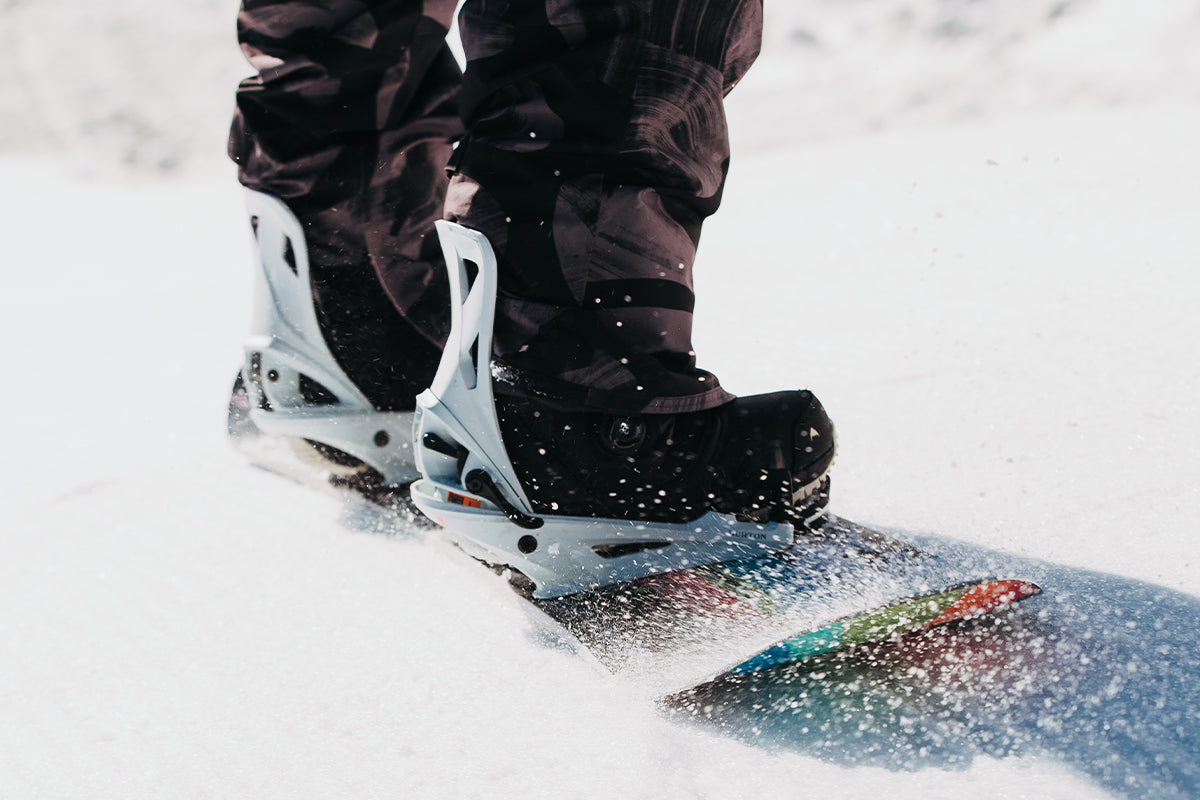
Properly adjusted bindings are crucial to avoid injury Many serious knee injuries can be avoided by correctly adjusting the bindings. The binding should be set to release you from your ski in a hard fall. If this is not the case, the binding can act as a load and cause damage to your knee and lower leg. At the same time, the binding should prevent the ski from falling off during normal skiing.
To make sure your bindings are properly adjusted, it is recommended to perform a binding test. It is best to perform the test with a qualified expert in bindings, which we at One Open Sky do. If you bought your skis/bindings in one of our stores or online, you can come in and have your bindings adjusted for free. This ensures optimal safety and avoids unnecessary risks on your ski vacation.
It's also worth investing in proper maintenance and regular checks of your equipment. Worn or damaged bindings, skis or snowboards can pose a safety risk and should be replaced or repaired as needed. Make sure to have your skis or snowboard waxed and sharpened before each ski vacation to ensure optimal performance and grip on the snow.
Finally, it's also important to have the right footwear and clothing for your ski vacation. Warm, waterproof and breathable clothing will keep you comfortable and protect you from the cold and snow. Good ski boots that fit properly and support your feet and ankles are also essential to avoid discomfort and injury. If you buy your ski boots from One Open Sky, you can get a free boot fitting to make sure your new boots fit perfectly! If you haven't bought your boots from One Open Sky, you can see the prices for bootfitting, HERE

By having the right equipment and making sure it's properly fitted and maintained, you can minimize the risk of injury on your ski holiday. So make sure you put time and attention into getting the right equipment before you start your ski vacation and always remember to have it checked by professionals to ensure optimal safety and enjoyment on the slopes.