Windsurfing equipment
Windsurfing is an exciting and versatile water sport that combines speed, freedom, and nature experiences. Whether you are a beginner or an experienced windsurfer, it is crucial to choose the right windsurfing equipment and know the best techniques to achieve the optimal experience on the water. Here you will find a comprehensive guide to windsurfing, where we dive into everything from equipment and safety to the best spots and maintenance tips – so you can make the most of your passion for windsurfing.
What is windsurfing?
Windsurfing is a popular water sport where you stand on a windsurf board and use a sail to harness the power of the wind. The sport offers everything from calm rides on flat water to action-packed sailing in large waves. Windsurfing is for both those seeking an adrenaline rush and those who want to enjoy nature and the freedom of the sea. With the right windsurfing gear, you can tailor your experience, whether you want to cruise quietly or challenge yourself with tricks and high speed.
Getting started with windsurfing
For beginners, it is recommended to take a course at a windsurfing school or get instruction from an experienced windsurfer. Here, you will learn basic techniques such as balance, turning, beach start, and water start. With the right guidance, you will quickly become familiar with the windsurfing equipment and can begin to explore different disciplines. Many windsurfing schools also offer equipment rental, so you can try the sport before investing in your own windsurf board and sail.
Windsurfing equipment – what you need
The right windsurfing equipment is the key to success and safety on the water. Windsurfing requires more than just a board and sail – here you get an overview of all the general equipment you should consider for the best experience.
Windsurf board
The board is the foundation for your windsurfing. There are different types of boards, depending on your level and the discipline you want to practice:
- Beginner boards:Large and stable, perfect for beginners who need extra buoyancy and balance.
- Freeride boards:Easy to handle and good for planing, ideal for both intermediate and experienced windsurfers.
- Raceboards:For racing and high speed, where performance and acceleration are the focus.
- Wave/freestyle boards:For tricks and waves, where agility and quick reactions are important.
- Foil boards:For modern windsurfing with a hydrofoil, where you can glide silently over the water surface even in light wind.
Windsurf rig
The rig consists of several parts that together make it possible to control and utilize the wind optimally:
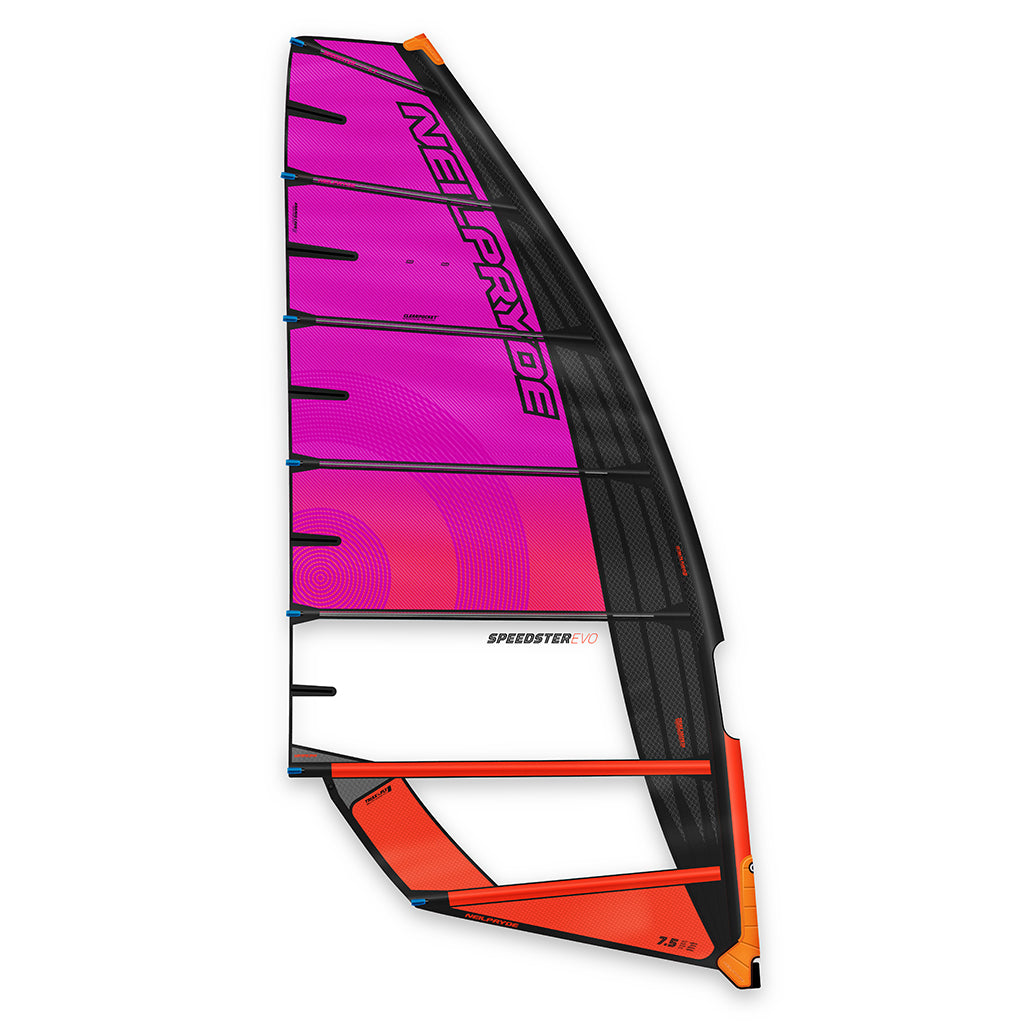
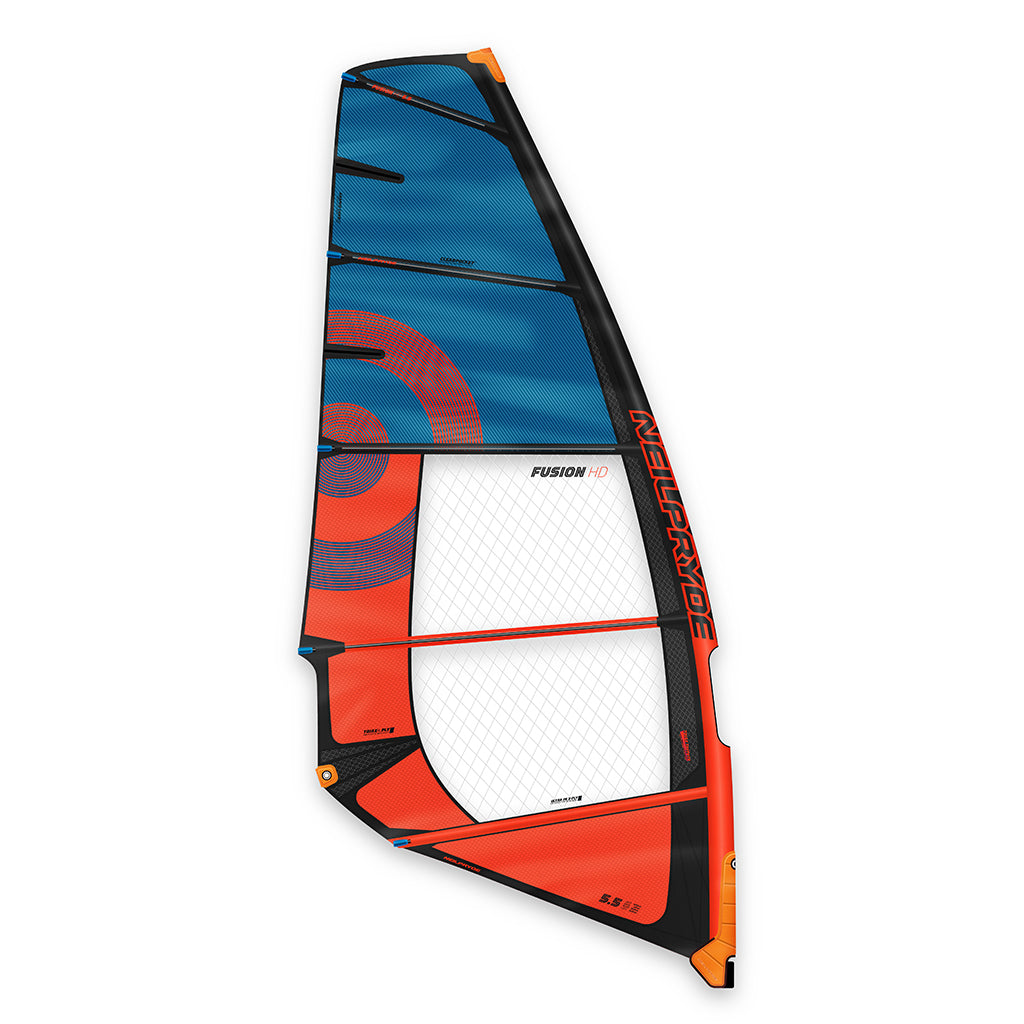
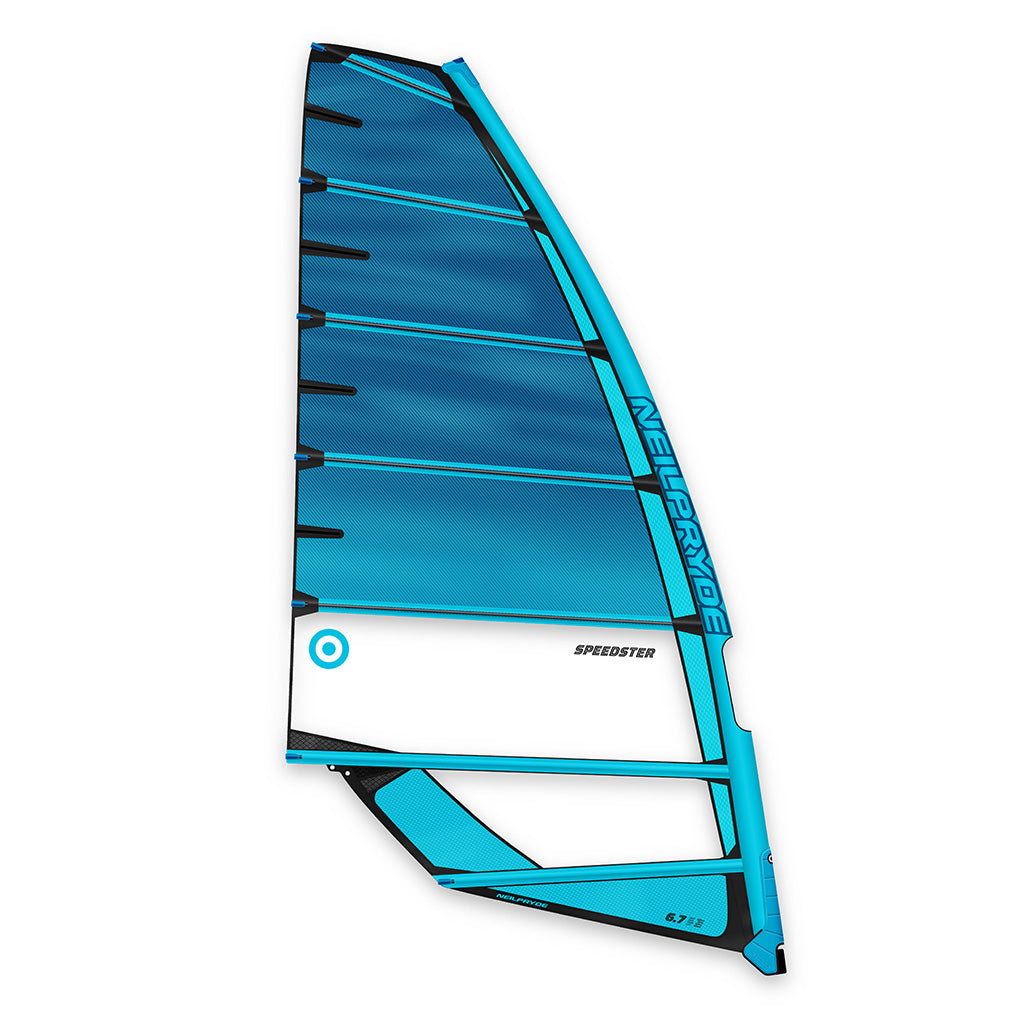
- Sail:Available in various sizes and types for beginners, freeride, race, wave, and freestyle. Choose a sail according to your level and the wind conditions you most frequently sail in.
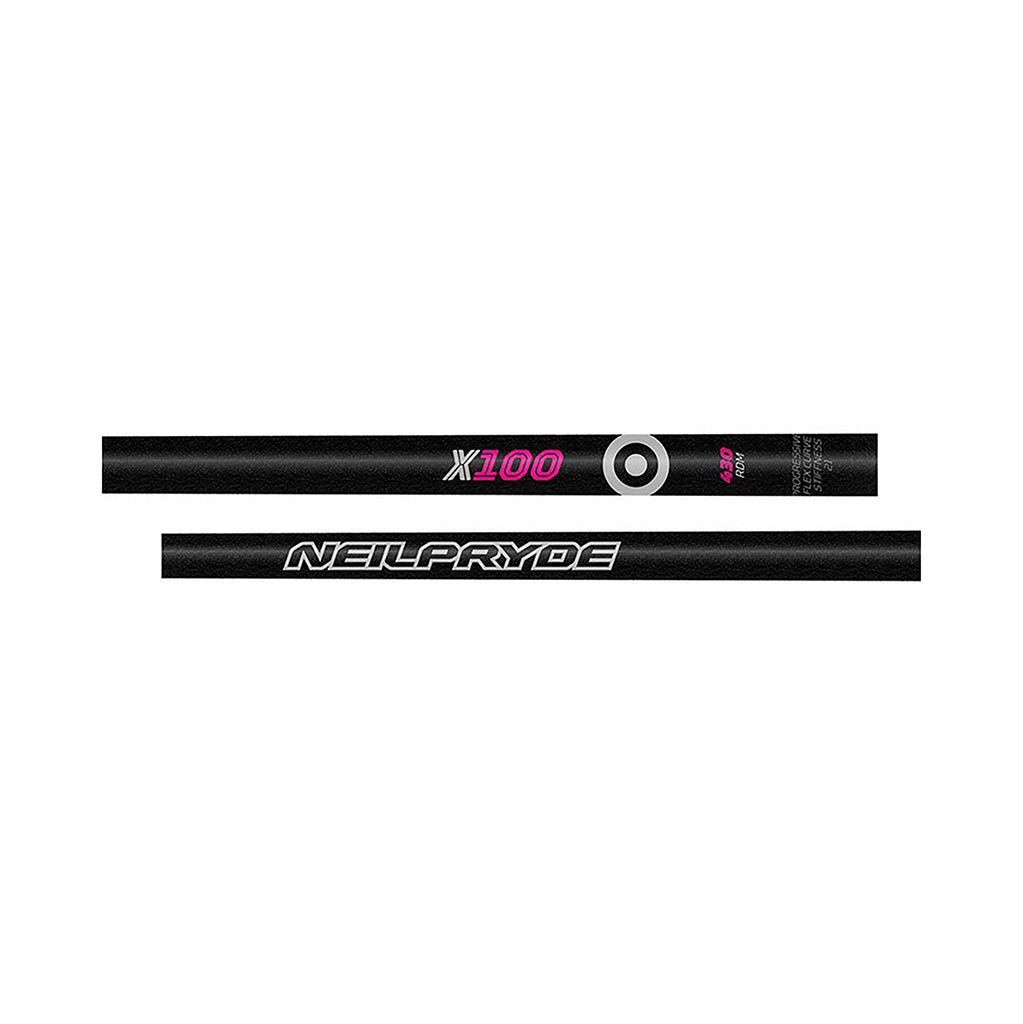
- Mast:Holds the sail upright. Available in various lengths, diameters, and materials (aluminum or carbon). A light and stiff mast offers better performance.
- Boom:The horizontal bar you hold onto. Adjustable and made of aluminum or carbon. A good boom provides better control over the sail.
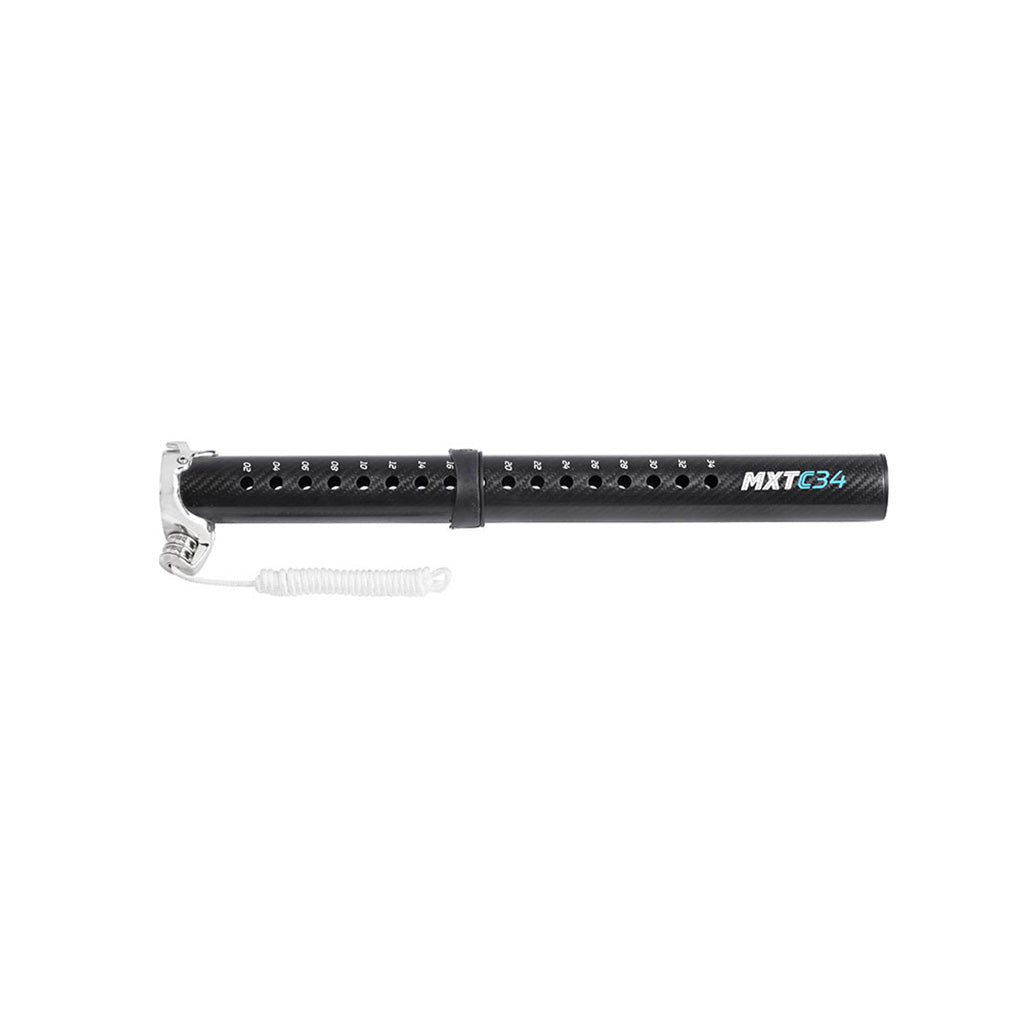
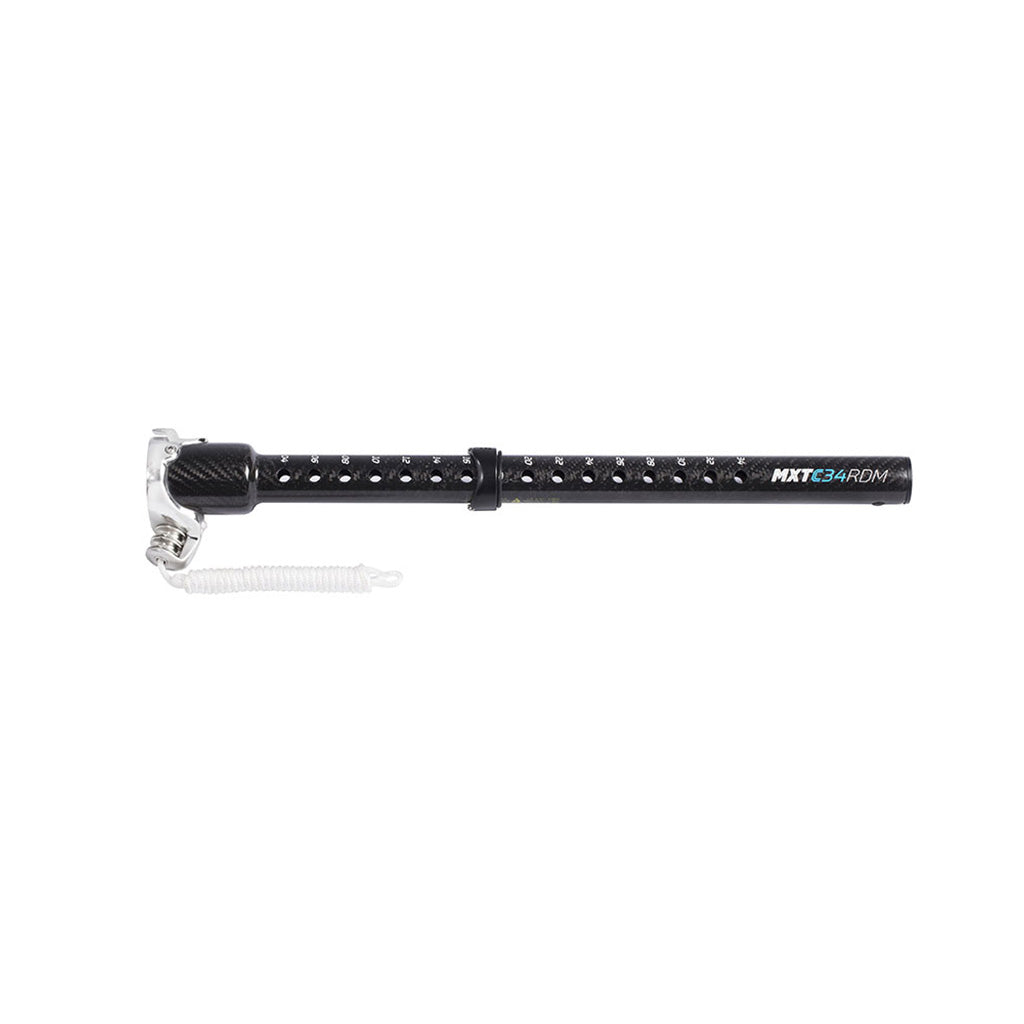
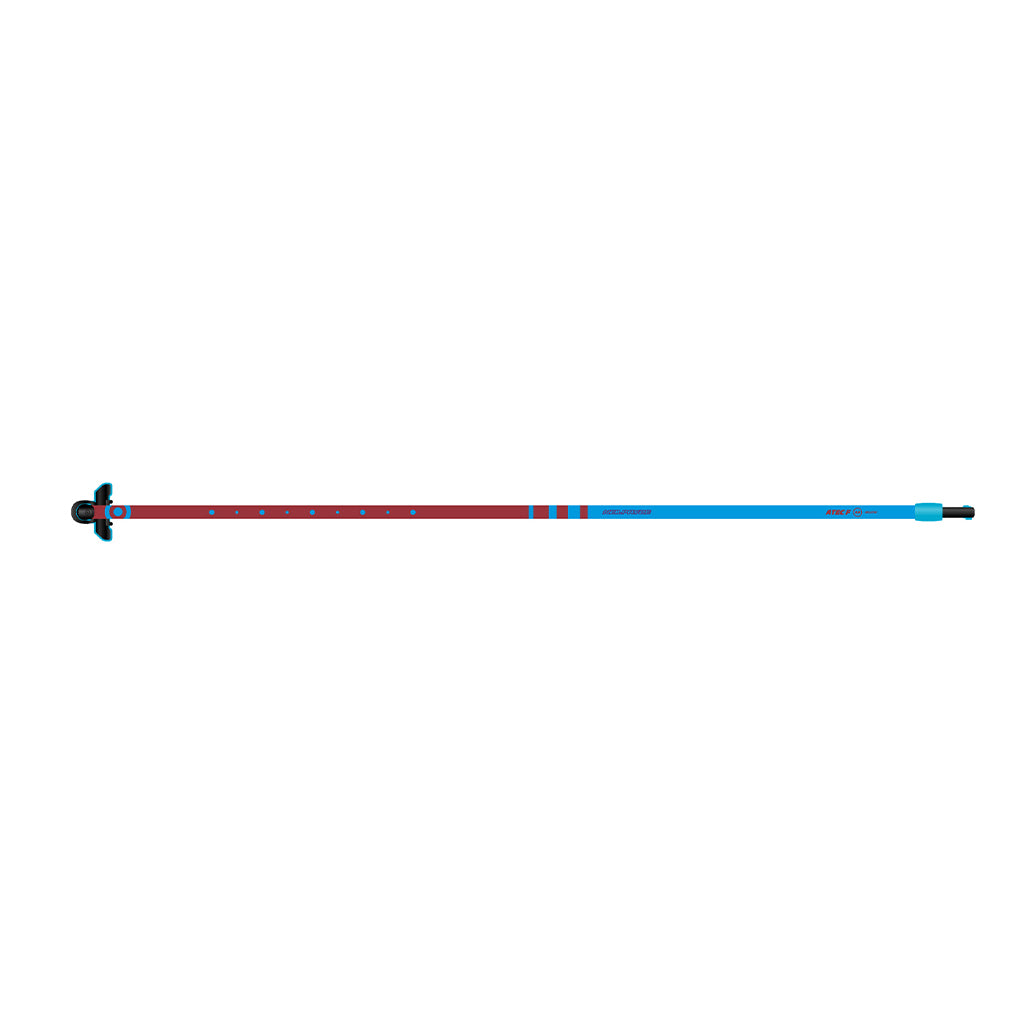
- Mast extension:Allows you to adjust the mast's length to fit the sail and provide optimal trimming.
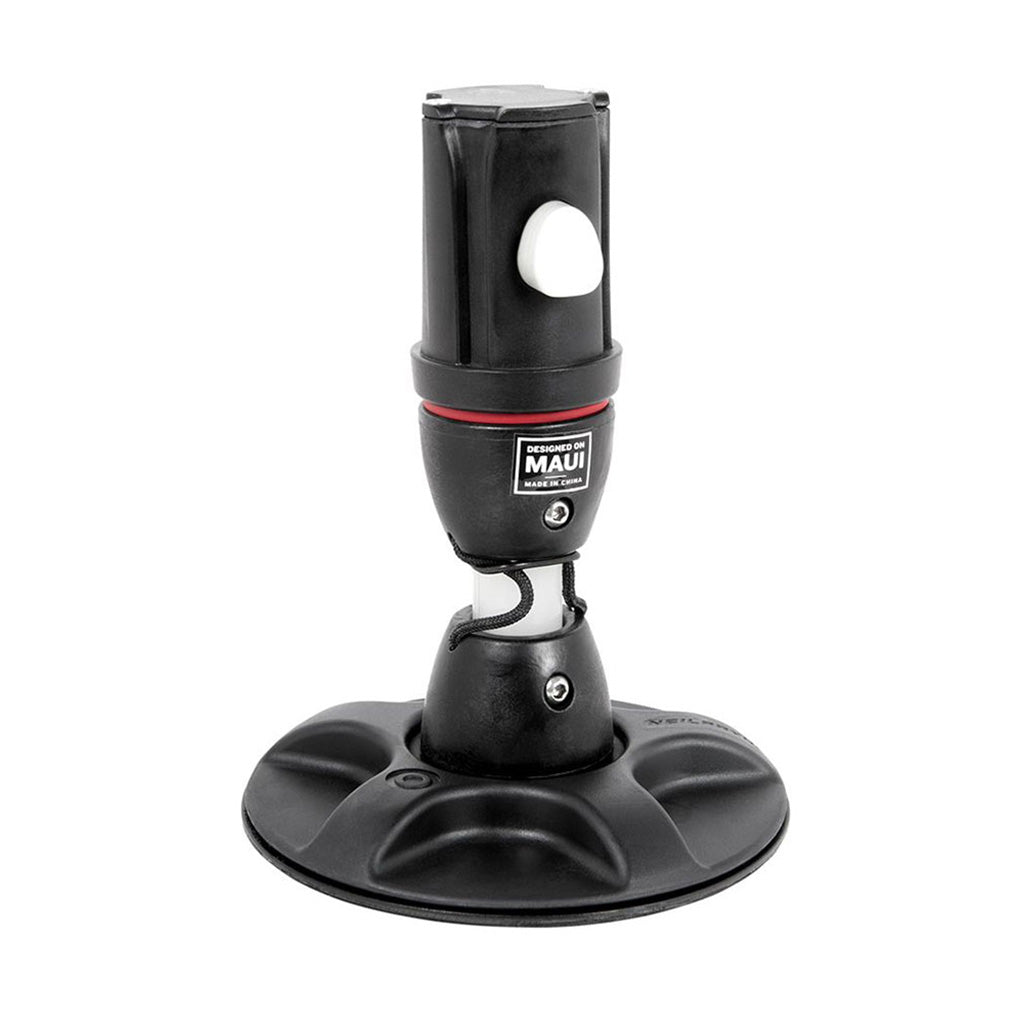
- Base:Connects the mast to the board and allows movement so you can adjust the sail's angle in relation to the wind.
General equipment and accessories for windsurfing
To ensure the best experience and safety on the water, you should also invest in the following windsurfing equipment:
- Wetsuit:Protects against cold and provides buoyancy. The thickness depends on the water temperature and season.
- Life jacket or impact vest:Increases safety and protects the body in the event of a fall. A good vest is indispensable for both beginners and experienced sailors.
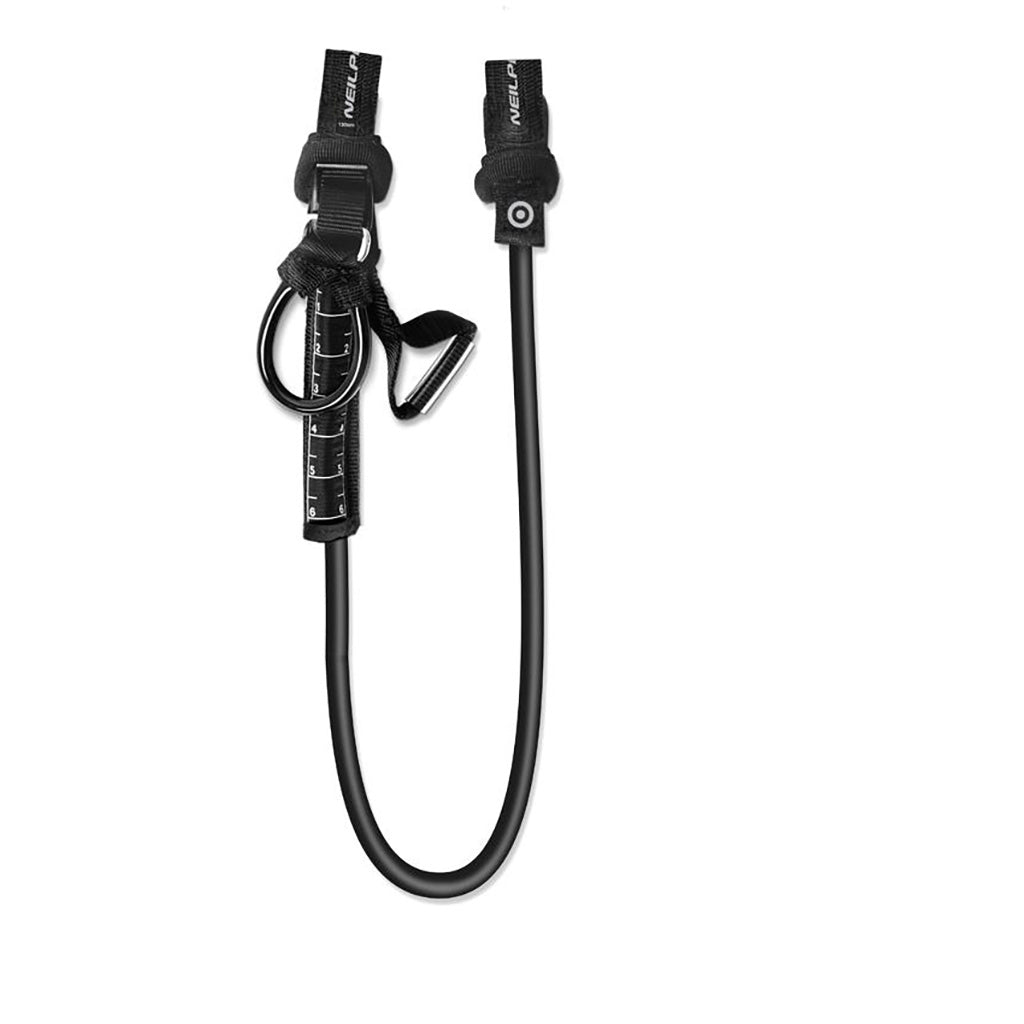
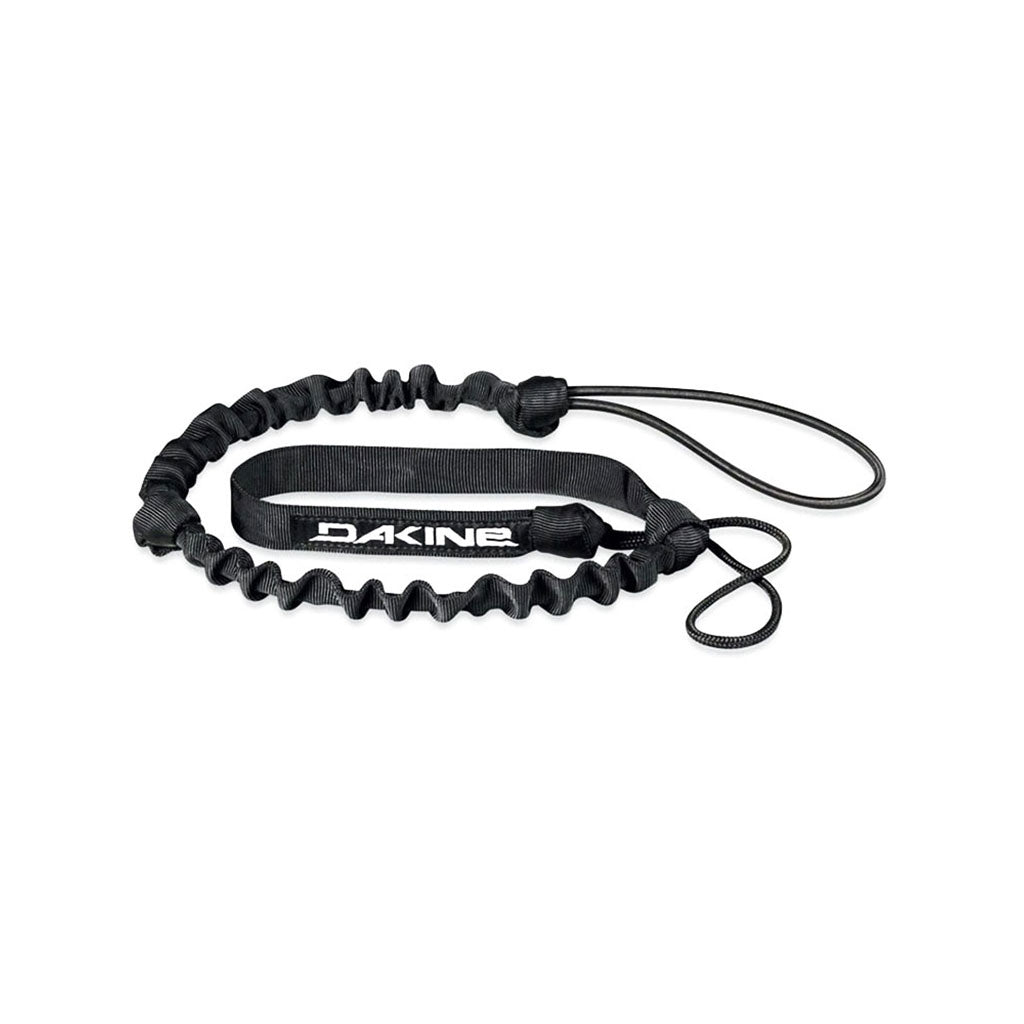
- Harness:A belt with a hook that allows you to hang from the rig and relieve the arms during sailing. Harness sailing allows you to sail longer and more efficiently.
- Shoes and gloves:Provide better grip and protection against sharp stones, shells, and cold. Particularly important when sailing in shallow waters or in cold months.
- Helmet:Recommended especially for beginners and when sailing in waves or shallow water, where the risk of head injury is greater.
- Sunglasses and sunscreen:Protects against the sun's rays, which are strongly reflected from the water. Polarized sunglasses can improve visibility on the water.
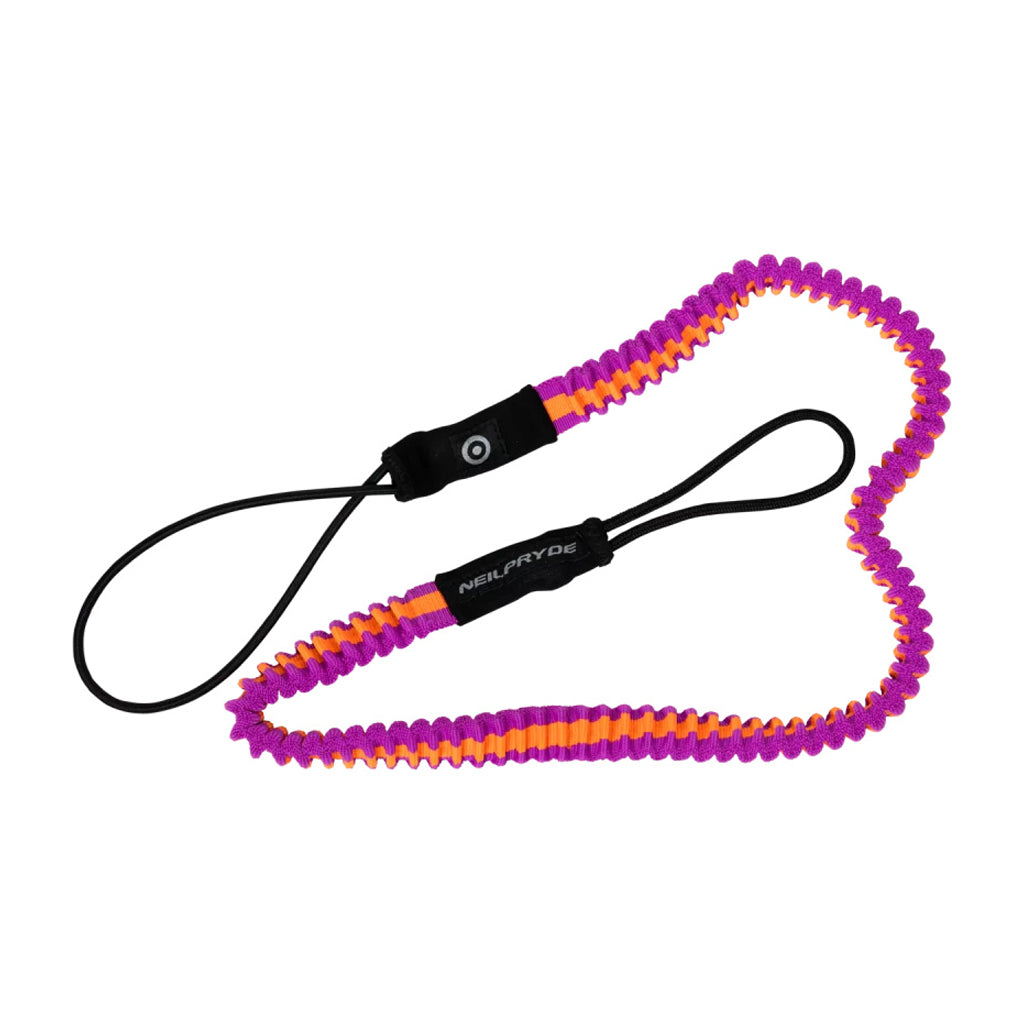
- Repair kit:For small repairs of board, sail, or equipment, so you can quickly get back on the water if an accident happens.
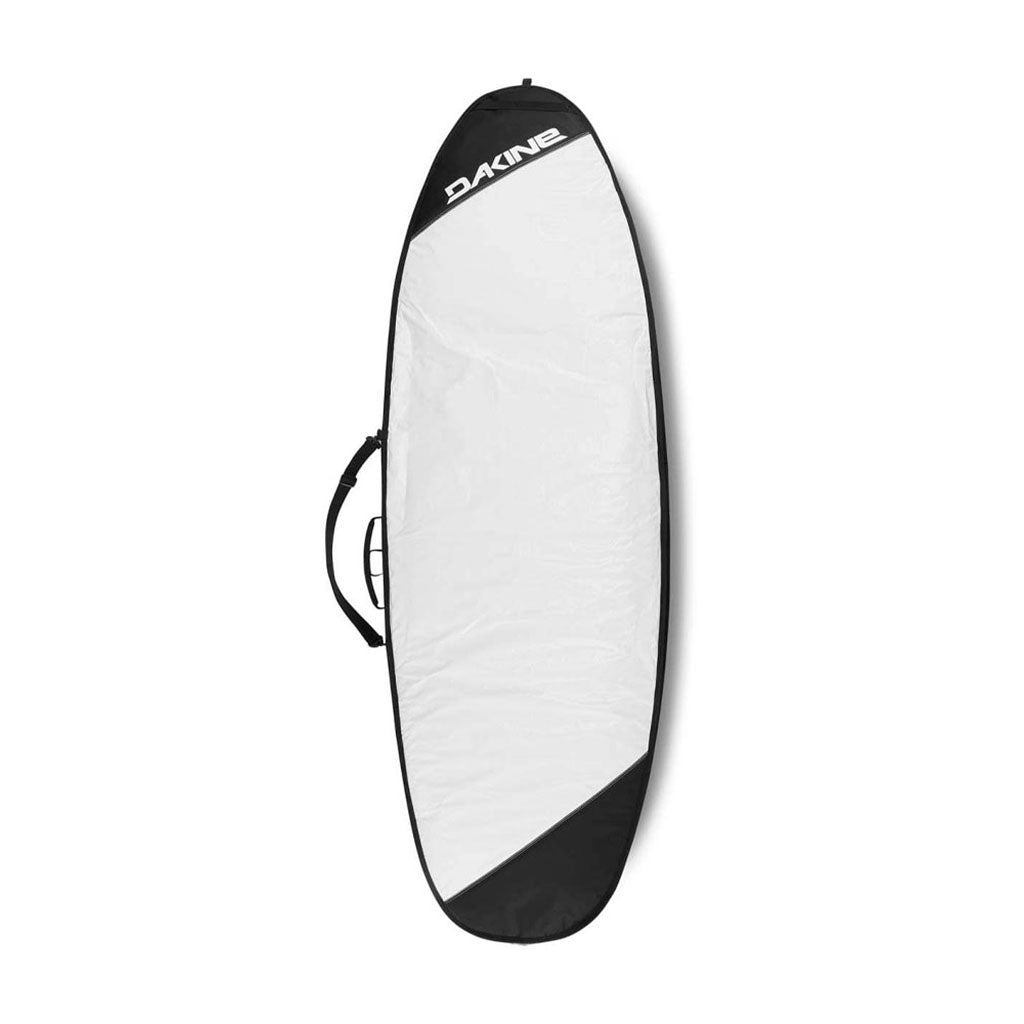
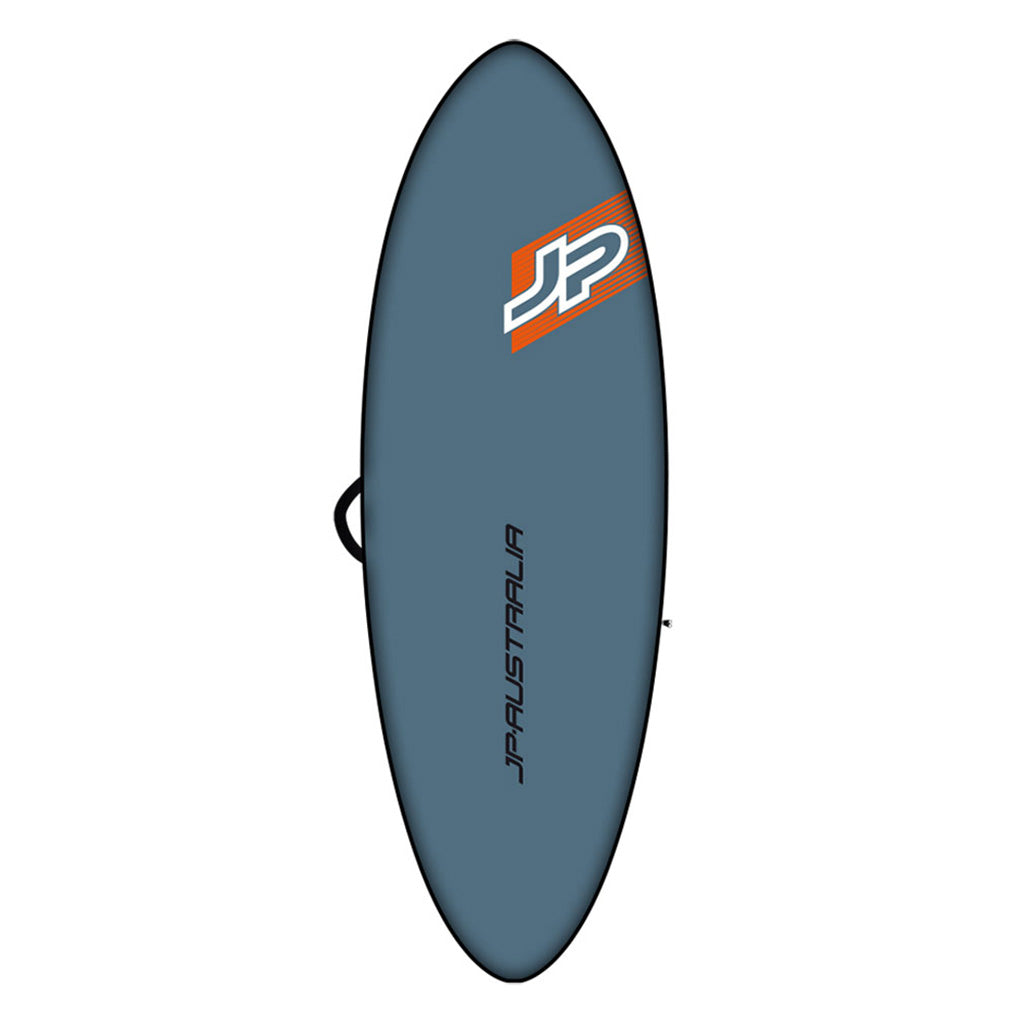
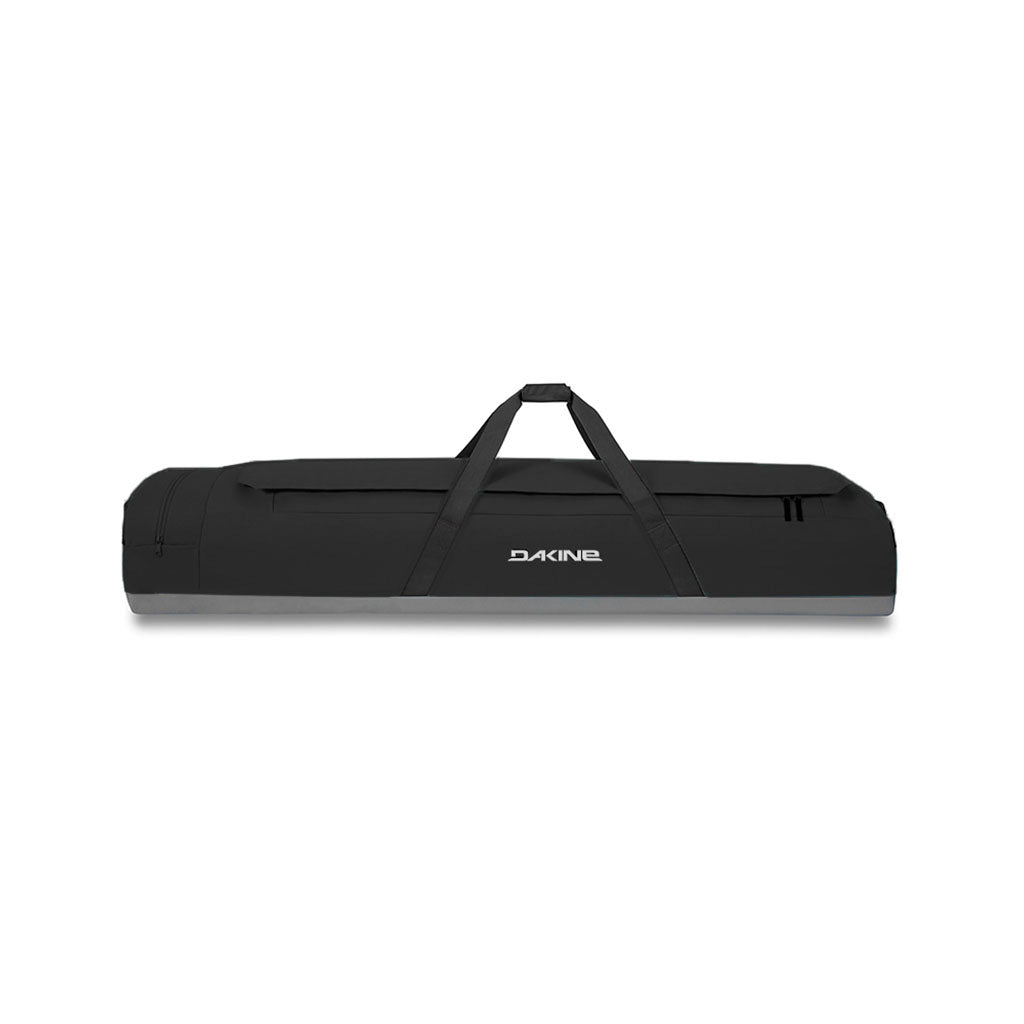
- Transport and storage equipment:Board bags, sail bags, and mast bags protect your equipment during transport and storage.
Windsurfing accessories for increased comfort and performance
- Wind meter:Enables you to assess wind strength before you go on the water.
- Watches and GPS trackers:To measure speed, distance, and track your sessions.
- Action camera:Capture your best moments on the water and share them with friends and family.
Maintenance of windsurfing equipment
Extend the life of your windsurfing equipment with proper maintenance. Rinse all equipment in fresh water after use, store it dry and protected from sunlight, and regularly check for wear and damage. Minor repairs can often be handled by yourself, but major damage should be taken care of by a professional. It is also important to tighten screws and check lines and fittings so that everything works optimally when you are on the water.
Safety and environment
Safety is paramount in windsurfing. Always wear a life jacket, check the weather forecast and know your own limits. Choose a wetsuit that suits the water temperature, and make sure you are familiar with emergency procedures. Also remember to consider the environment: choose sustainable equipment, avoid leaving waste, and respect the nature around surf spots. Today, many manufacturers offer environmentally friendly alternatives, so you can windsurf with a clear conscience.
The best windsurfing spots in Denmark and abroad
FEJL_667522203983
FEJL_667522203983
FEJL_667522203983
FEJL_667522203983