Neoprene Sale

Neoprene Sale

}

Your content

Pair text with an image to focus on your chosen product, collection, or blog post. Add details on availability, style, or even provide a review.

Filters

Filters

to
146 products
Sort by
Sort by
Save 21%
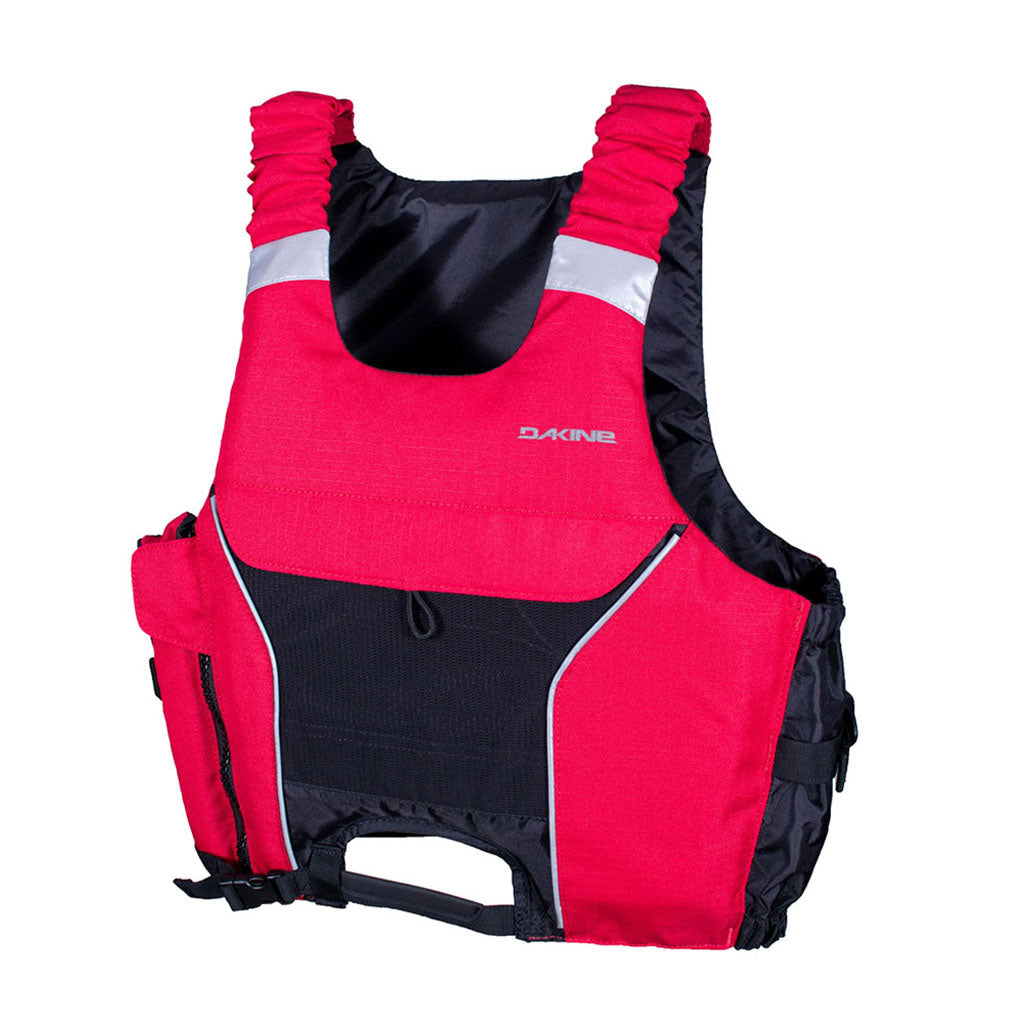
Seeker Vest Red - Bouyancy Aid
colors available
Variants available
Available sizes 3XLUP XL/XXL M/L XS/S
DAKINESeeker Vest Red - Bouyancy Aid
Sale price€110,00 Regular price€138,95
Save 11%
Psycho Tech 5/4+ Chest Zip - Wetsuit Psycho Tech 5/4+ Chest Zip - Wetsuit
Variants available
Available sizes M XXL
O'NEILLPsycho Tech 5/4+ Chest Zip - Wetsuit
Sale price€400,00 Regular price€449,95

General information about wetsuits

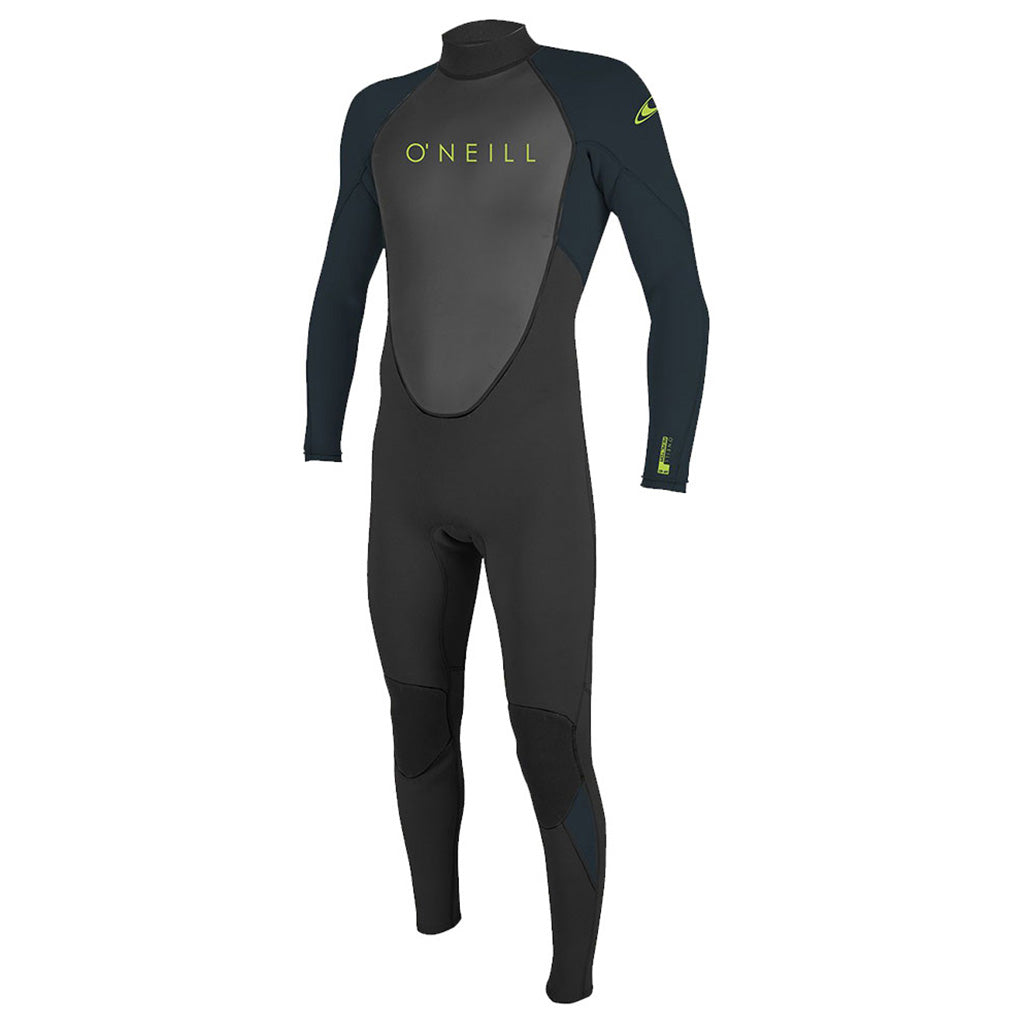
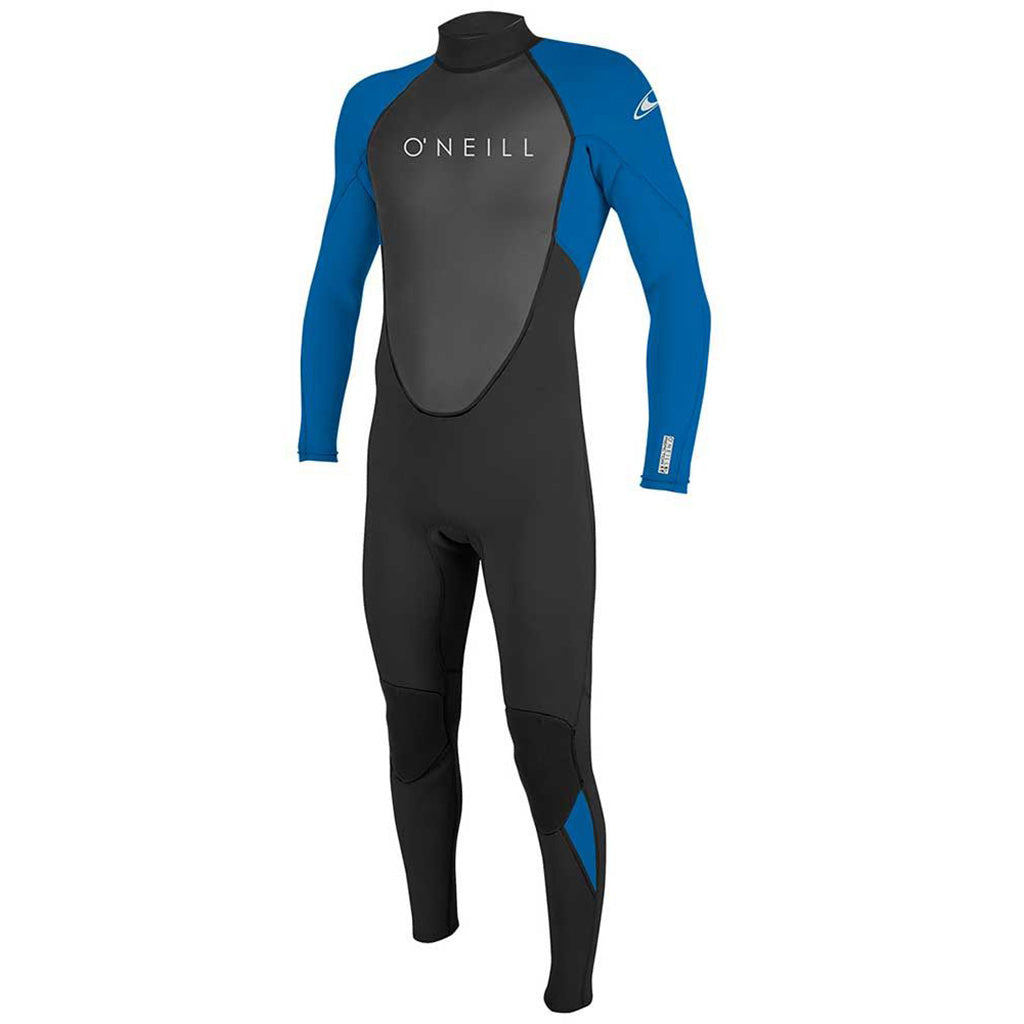
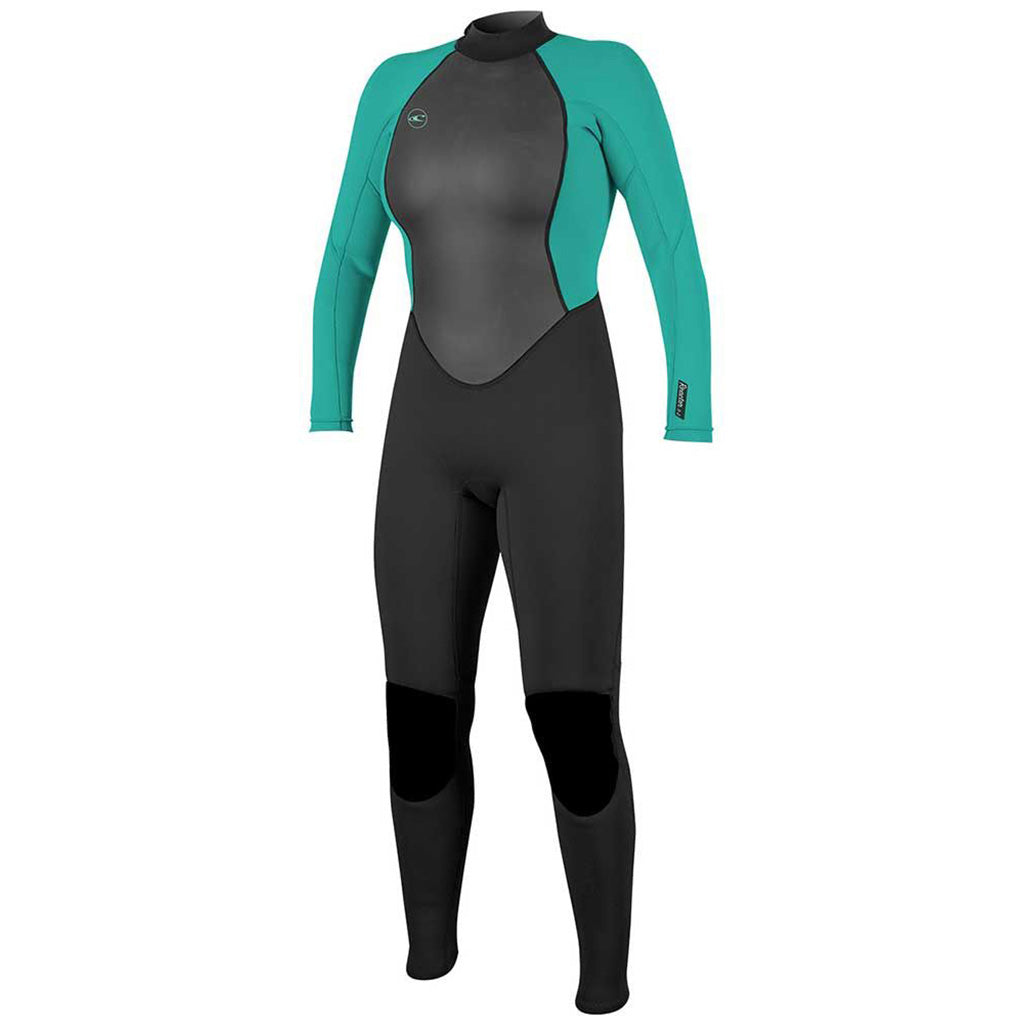
Wetsuits are made of neoprene, and this material offers a multitude of advantages when engaging in water sports: Neoprene, with the right formula of rubber, air, and polyester, can create insulation, and with the right thickness, you can get suits suitable for all seasons.

A wetsuit insulates your body by using body heat to warm up the stagnant air found in the small air bubbles contained in the suit. Wetsuits are not completely waterproof, and a small amount of water often enters the suit if you get washed over by a wave or the like, but with the correct type and size, this only happens occasionally. With an incorrect size or type of suit, more water enters, and the body cannot heat the suit, and therefore you will experience cooling much earlier.

What do the descriptions mean?

Wetsuits vary in thickness, which is measured in millimeters. Take for example, an O’neill Epic 5/4: the name indicates that the suit is 5 millimeters on the body and 4 millimeters on the sleeves. On some winter suits, there is 6/5/4, which indicates 6 millimeters on the body, 5 millimeters on the sleeves, and 4 millimeters on the hood. The reason wetsuits are always thinner on the arms and legs than the torso is, of course, to give you good flexibility where it is important.

Flexibility and quality

Flexibility also varies in wetsuits: A quality wetsuit is constructed with the right flexibility in the neoprene, which provides you with optimal freedom of movement and simultaneously makes the suit fit more snugly and ensure warmth for longer. Wetsuits today are extremely versatile and can be used for almost all water sports from wave surfing and kite surfing to windsurfing and wakeboarding. Some brands, such as Neil Pryde, even make wetsuits for specific sports, where the suits offer different advantages.

How should the suit be closed?

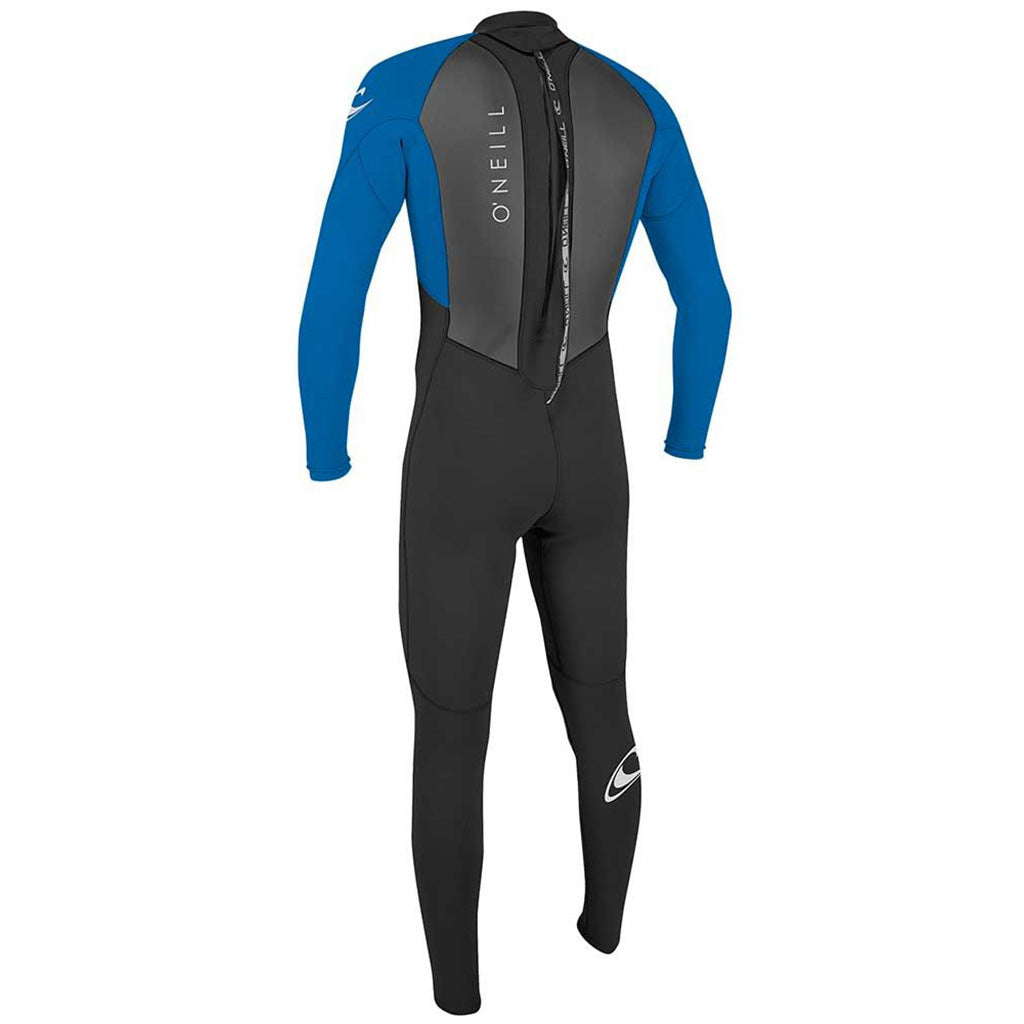
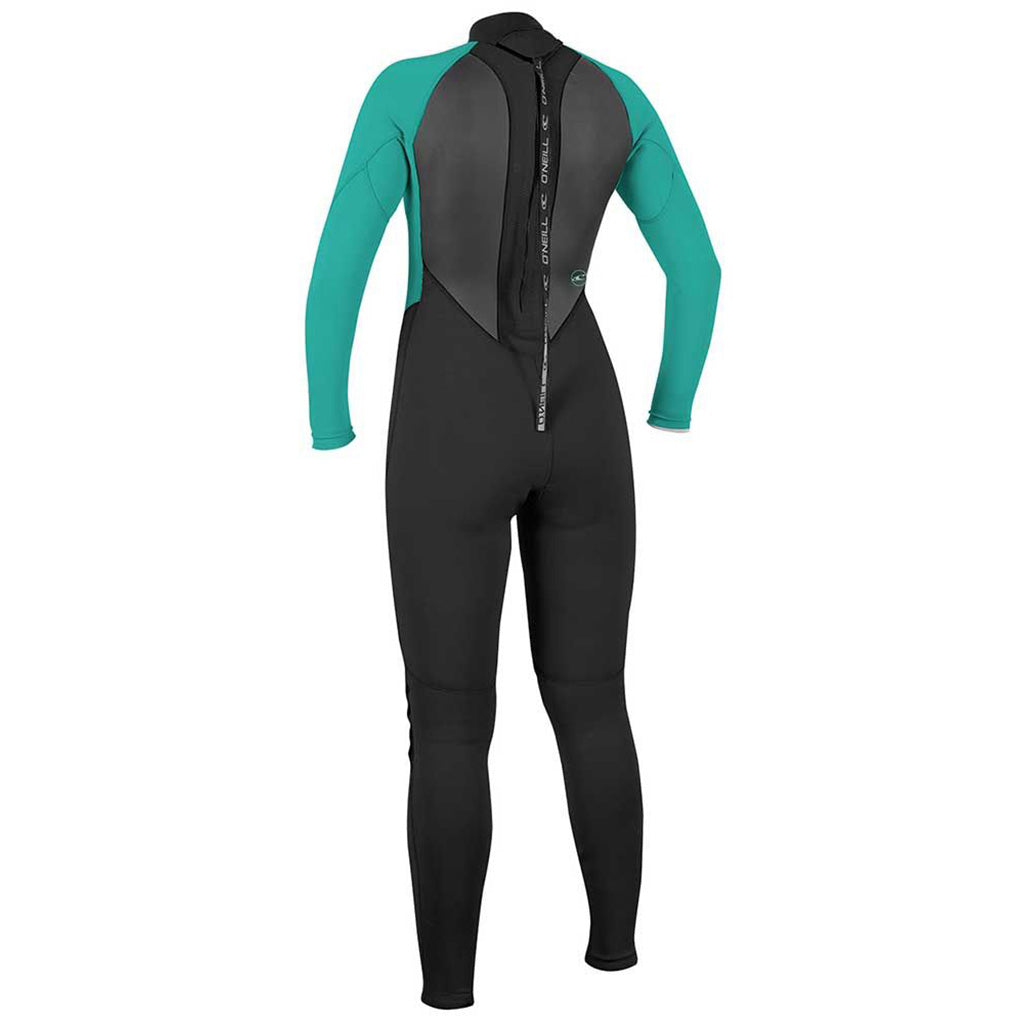
Closing the suit is also an important protection against water penetrating the suit. Today, primarily 2 types of suits are used: 'chestzip,' where the suit is zipped at the front, or 'backzip,' where there is a zipper on the back that closes the suit. The two suits have different advantages: with a 'chestzip', water penetration is less but it is more difficult to enter, and with a 'backzip', the opening is larger and therefore easier to enter, but water penetration is also greater. Other types also used include 'frontzip,' which features a chest zipper as we know it from a jacket. These are typically used on Long Johns (neoprene pants with a sleeveless top) or a neoprene shirt. Many of those looking for a wetsuit will use them actively in the water, and for all of you, we will recommend a 'chestzip' or 'backzip' wetsuit, as they are more sports-oriented.

Besides the primary function of keeping us warm in the water, there is much development in creating even more delightful suits that provide an even better experience in the water. O'Neill's Techno Butter 3 or Neil Pryde's Thermocore Thermal Protection can be mentioned here, both of which have elements that create more flexible neoprene and higher insulation for optimized warmth. Read more about the individual products in their product descriptions under the suits.

How the wetsuit should fit

To get the maximum enjoyment from your suit, it is important to find a size that fits snugly without feeling uncomfortable. The back is often the place where you can see if it fits as it should, both over the shoulders and in the lower back. It should fit well here, and there should not be a lot of air between the body and the suit. At One Open Sky, we have a huge selection of both many types and many sizes. We have many suits that are specifically adapted for slightly taller people, so if you are 190 cm tall and relatively slim, a "LT" (stands for large tall) would probably be a size for you. In our size guides, it's easy to see which size fits you best based on specific body measurements, which you can take at home. If in doubt, do not hesitate to seek professional assistance by calling or writing to us at 9712 2965 or emailing info@oneopensky.dk

See more guides here:

Extended wetsuit guide

Find O’Neill’s size guide here

Find NeilPryde’s size guide here

Wetsuit thickness and water temperature

The schedule below is a guideline, and remember it is very individual what one desires, and which suit one has, if in doubt go up in thickness, or do not hesitate to call or write to us