Kitesurfing

Kitesurfing

Find a wide range of kitesurfing equipment at One Open Sky. We offer kites, boards, trapezes and accessories from the best brands for both beginners and advanced riders.

Filters

Filters

to
206 products
Sort by
Sort by
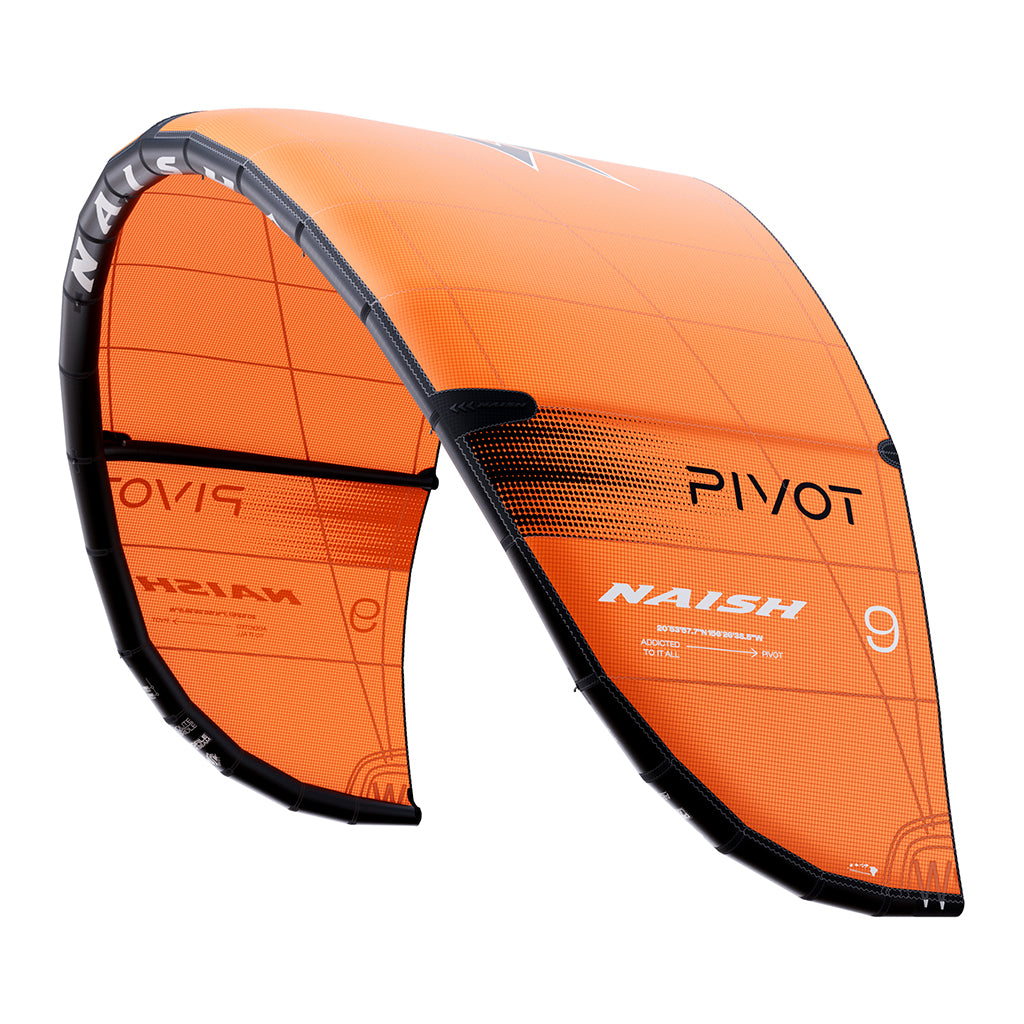
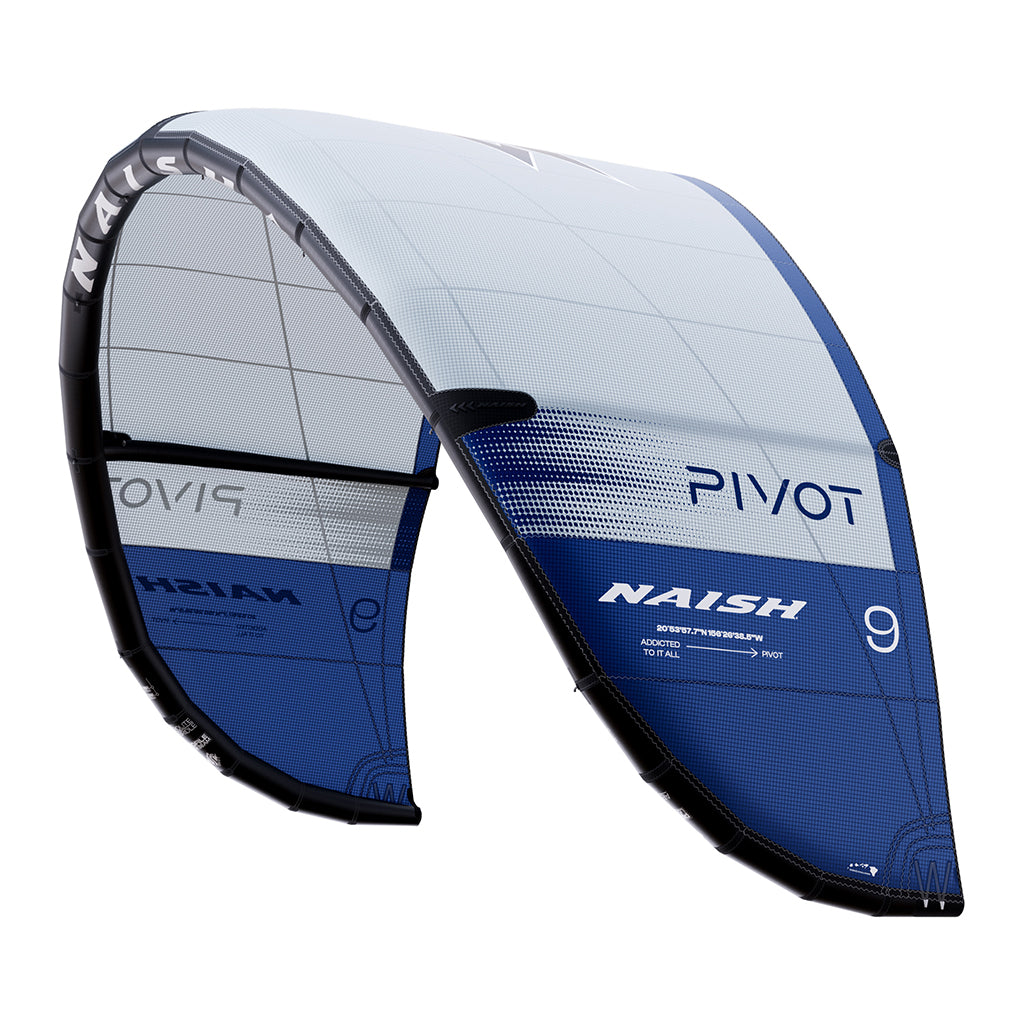
2026 Pivot - Kites 2026 Pivot - Kites
colors available
Variants available
Available sizes 9 m2
NAISH2026 Pivot - Kites
Sale price€1.199,95
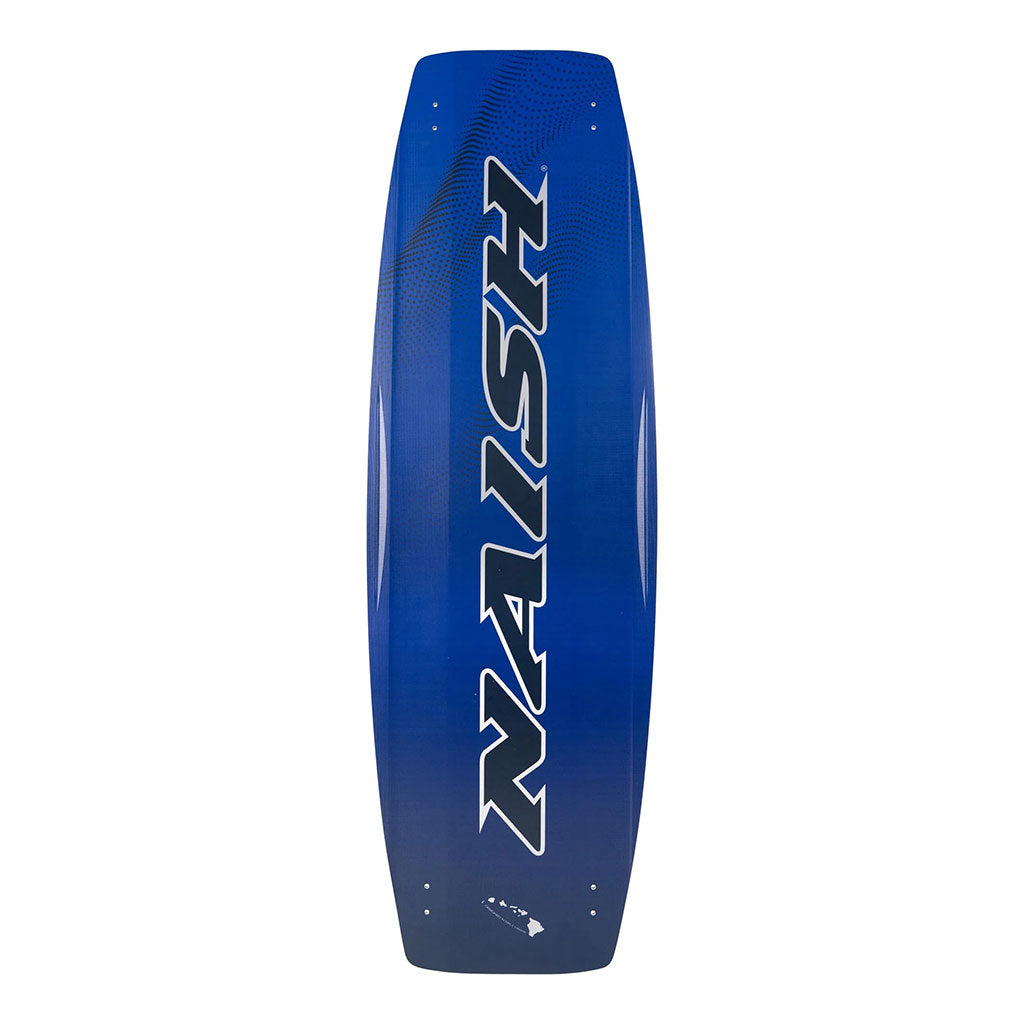
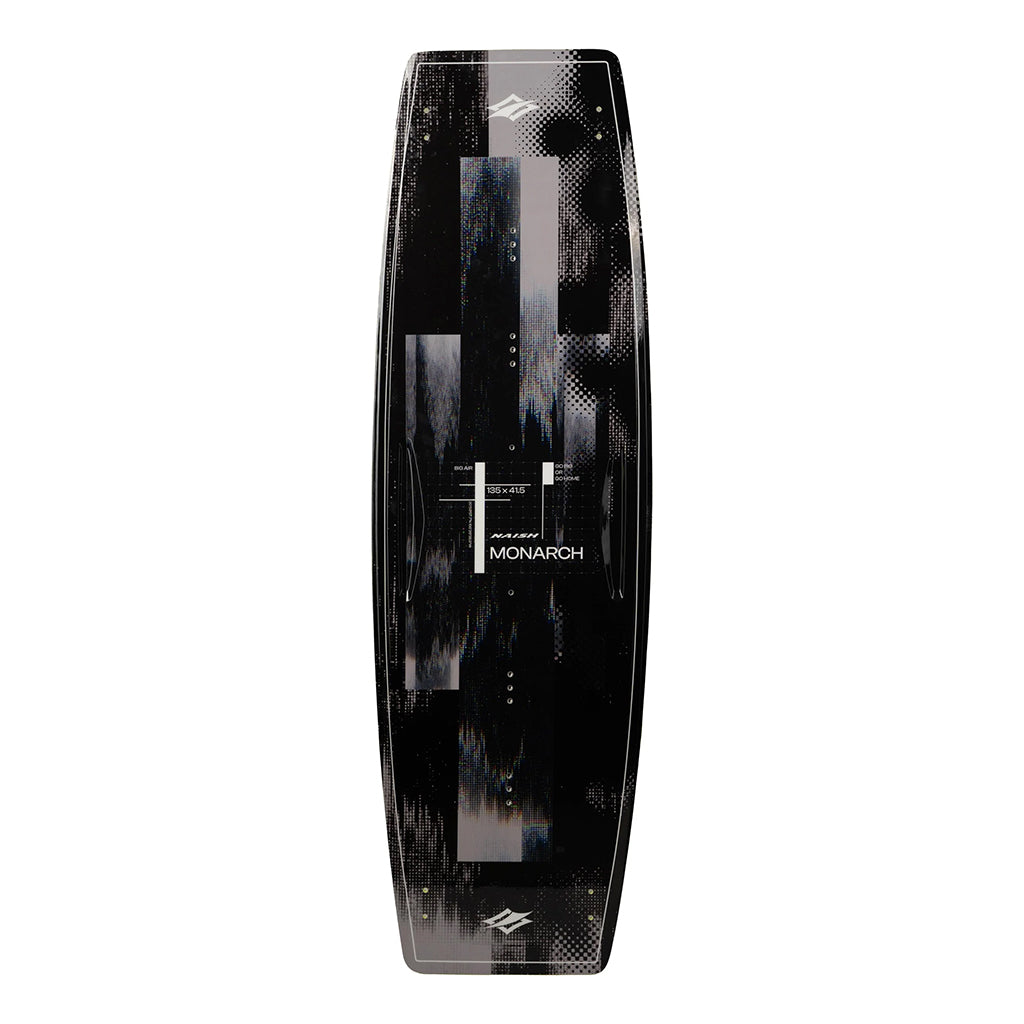
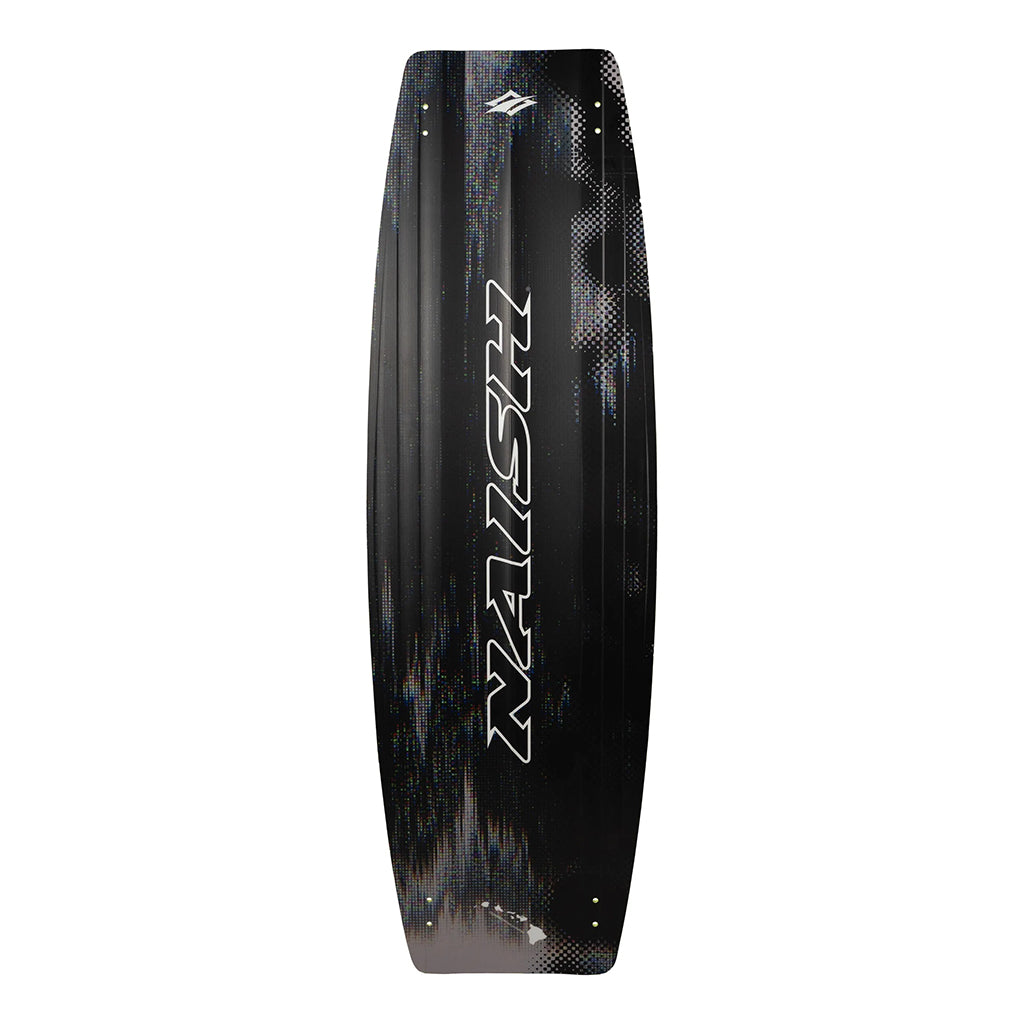
Monarch - Kite Board Monarch - Kite Board
Variants available
Available sizes 138 142
NAISHMonarch - Kite Board
Sale price€749,95
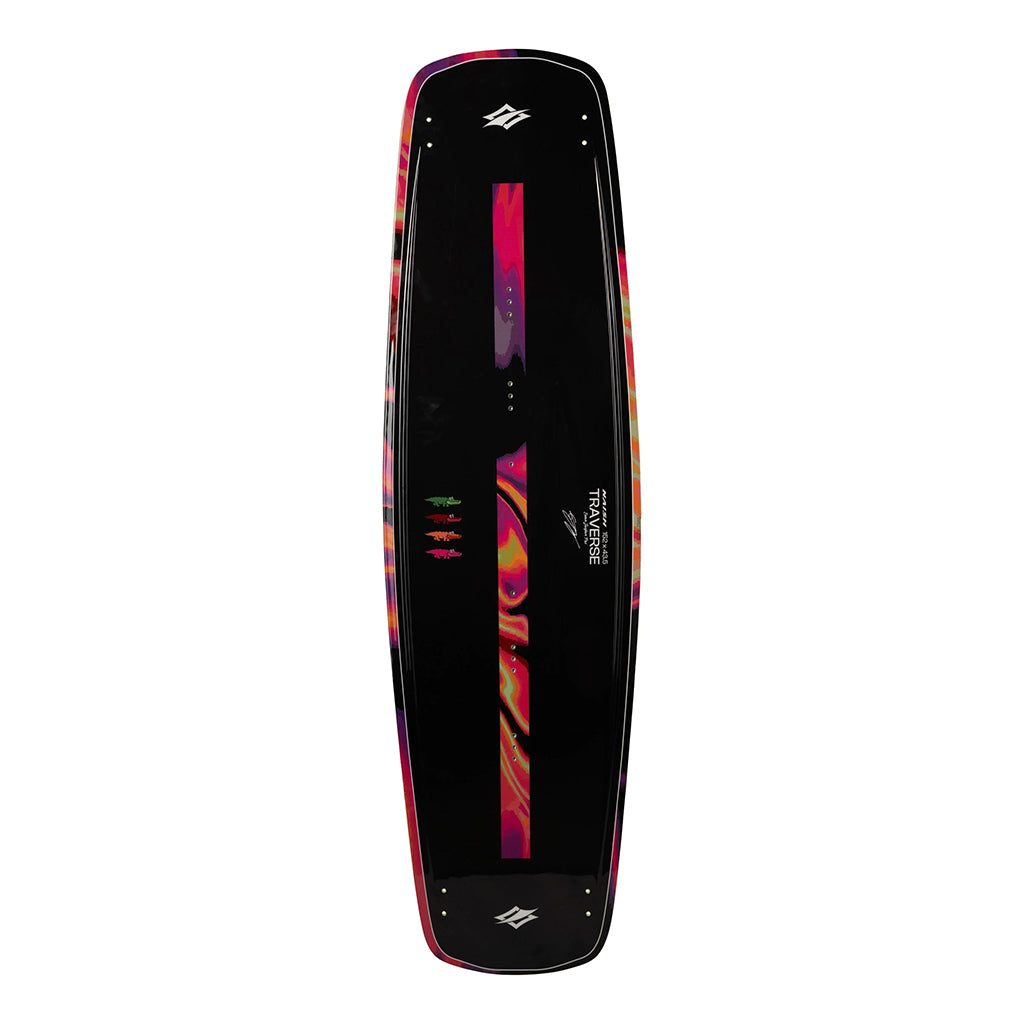
Traverse Ewan Jaspan Pro - Kite Board Traverse Ewan Jaspan Pro - Kite Board
Variants available
Available sizes 144
Toasties - Kite Binding Toasties - Kite Binding
Variants available
Available sizes 36-42 40,5-46 45-50
REEDINToasties - Kite Binding
Sale price€229,95
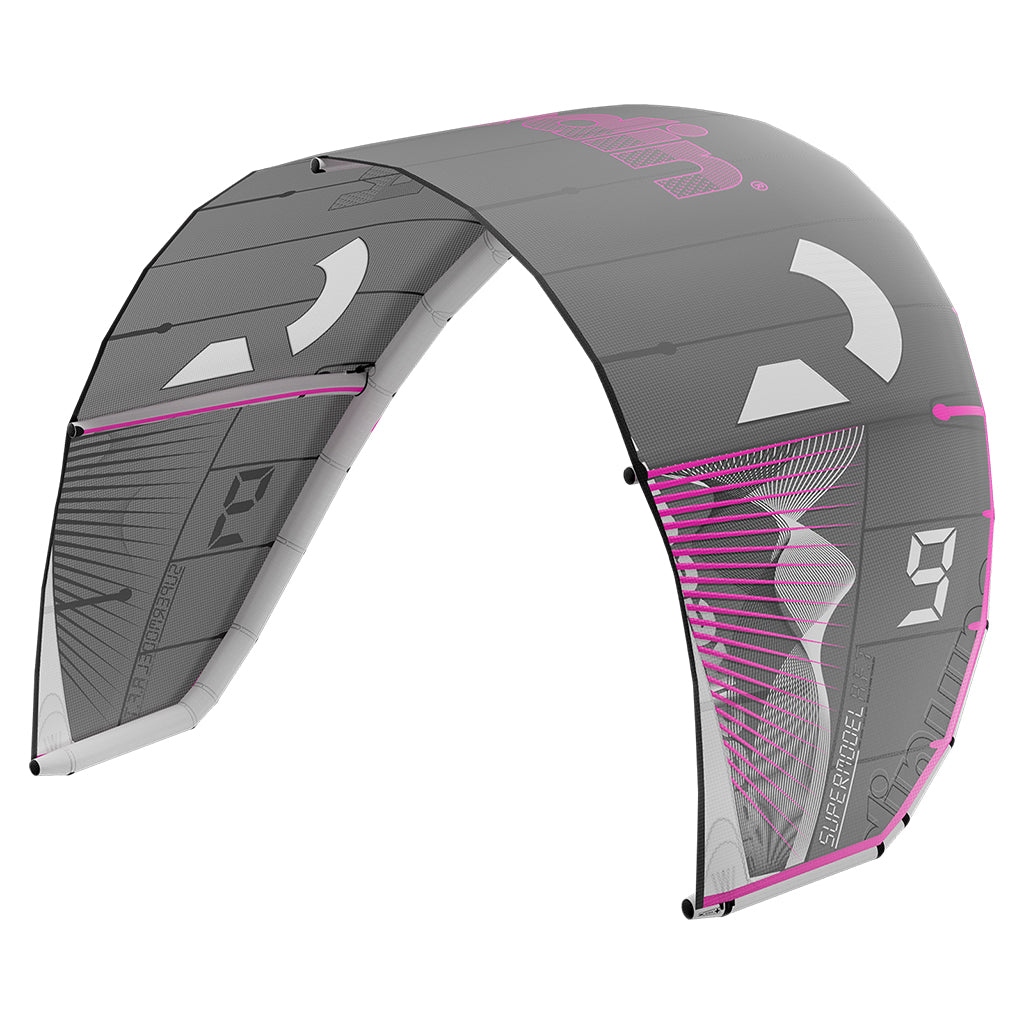
WhisperModel - Kite WhisperModel - Kite
Variants available
Available sizes 17 m2 13 m2 15 m2
REEDINWhisperModel - Kite
Sale price€2.599,95
Save 30%
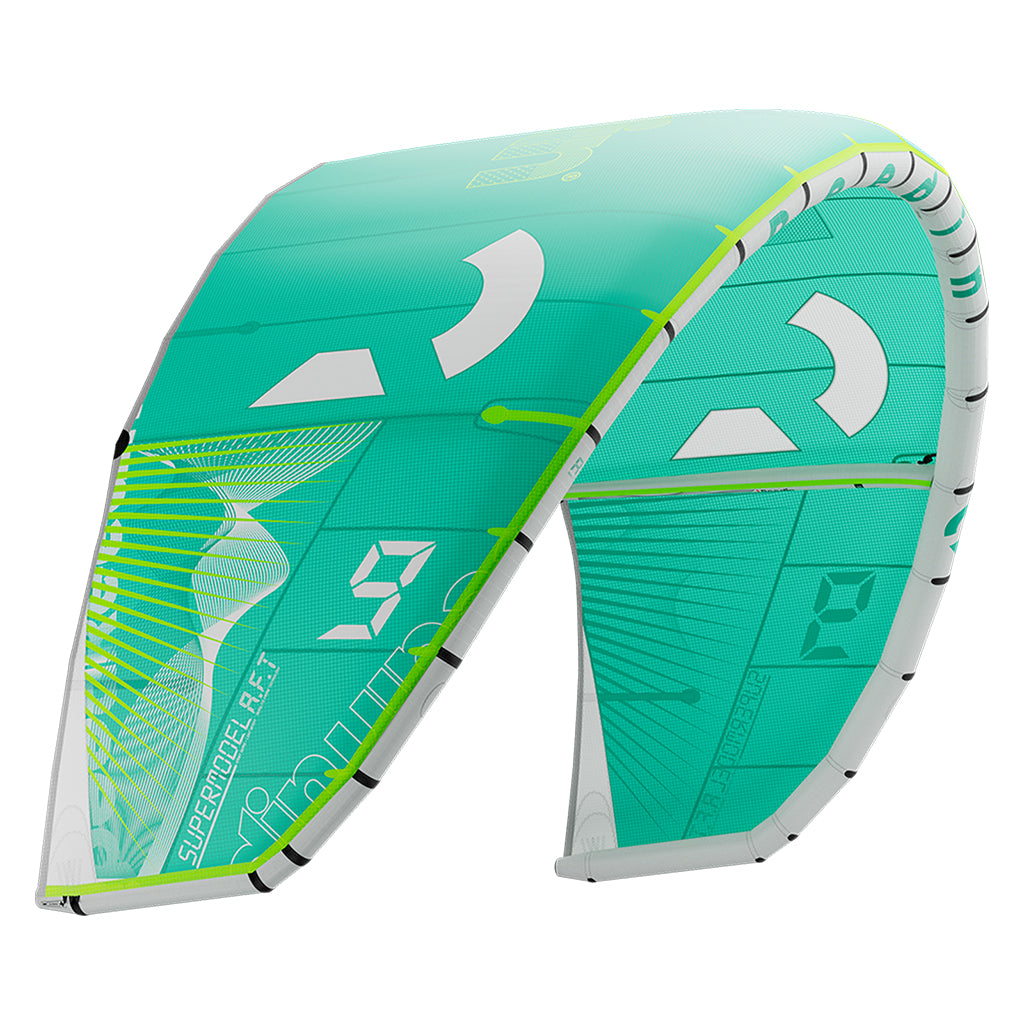
HyperModel 2025 - Kite HyperModel 2025 - Kite
Variants available
Available sizes 8 m2 9 m2
REEDINHyperModel 2025 - Kite
Sale price€1.484,00 Regular price€2.119,95
MasterModel 2026 - Kite MasterModel 2026 - Kite
Variants available
Available sizes 7 m2 9 m2 10 m2 11 m2 12 m2 ...
REEDINMasterModel 2026 - Kite
Sale price€2.069,95
Save 25%
Dreamstick X V2 Shorty - Kite Bar Dreamstick X V2 Shorty - Kite Bar
Variants available
Available sizes 49
REEDINDreamstick X V2 Shorty - Kite Bar
Sale price€480,00 Regular price€639,95
Save 23%
SWITCHBLADE LE BLADDER - Bladders
Variants available
Available sizes 11 m2 14 m2
CABRINHASWITCHBLADE LE BLADDER - Bladders
Sale price€67,00 Regular price€86,95
Save 19%
FX LE BLADDER - Bladders
Variants available
Available sizes 6 m2 8 m2
CABRINHAFX LE BLADDER - Bladders
Sale price€54,00 Regular price€66,95
Save 20%
Bar - Modular Slider Line - Bar Spareparts
Variants available
Available sizes S/M/L
CABRINHABar - Modular Slider Line - Bar Spareparts
Sale price€32,00 Regular price€39,95
Save 19%
CONTRA-LE BLADDER - Bladders
Variants available
Available sizes 17 m2
CABRINHACONTRA-LE BLADDER - Bladders
Sale price€54,00 Regular price€66,95
Save 19%
FX LE BLADDER - Bladders
Variants available
Available sizes 14 m2
CABRINHAFX LE BLADDER - Bladders
Sale price€54,00 Regular price€66,95
Switchblade LE Bladder - Bladders
Variants available
Available sizes 8 m2
Save 20%
Kite - Crosswing X2 LE Bladder - Bladders
Variants available
Available sizes 3 m2 4 m2 6 m2 7 m2
CABRINHAKite - Crosswing X2 LE Bladder - Bladders
Sale price€80,00 Regular price€99,95
Save 11%
Kite - Moto-LE Bladder - Bladders
Variants available
Available sizes 5 m2 6 m2 7 m2 10 m2 12 m2 ...
CABRINHAKite - Moto-LE Bladder - Bladders
Sale price€96,00 Regular price€107,95
Kite - Contra 1S-LE Bladder - Bladders
Variants available
Available sizes 3 m2 4 m2 5 m2 7 m2 9 m2 ...
CABRINHAKite - Contra 1S-LE Bladder - Bladders
Sale price€77,95 Regular price€89,95
Save 20%
Kite - Switchblade-LE Bladder - Bladders
Variants available
Available sizes 5 m2 6 m2 7 m2 8 m2 9 m2 ...
CABRINHAKite - Switchblade-LE Bladder - Bladders
Sale price€70,00 Regular price€87,95
Save 20%
Kite - Crosswing X2 Strut Bladder - Bladders
Variants available
Available sizes 3 m2 4 m2 5 m2 7 m2
CABRINHAKite - Crosswing X2 Strut Bladder - Bladders
Sale price€80,00 Regular price€99,95
Save 21%
DRIFTER LE BLADDER - Bladders
Variants available
Available sizes 9 m2
CABRINHADRIFTER LE BLADDER - Bladders
Sale price€60,00 Regular price€75,95
Save 19%
Variants available
Available sizes 7 m2 8 m2 9 m2 10 m2 12 m2 ...
CABRINHAAPOLLO-LE BLADDER - Bladders
Sale price€54,00 Regular price€66,95

Kitesurfing

At One Open Sky, we are active kitesurfing practitioners ourselves - We know the products inside out and know that only you and your equipment set the limits. We have Denmark's largest selection of renowned brands such as Naish, Cabrinha, and Reedin.

The dream of flying over the water with the wind in your hair - that's kitesurfing. Imagine gliding over the waves and feeling the adrenaline pumping through your veins as you master the art of controlling your kiteboard. Kitesurfing is an exciting and joyful sport that combines elements from surfing, windsurfing, and paragliding.

Once you've tried it, you can't get enough. The adrenaline-pumping moments when the wind grabs your kite and you accelerate across the water's surface are unparalleled. Kitesurfing is a unique sport that requires both technique, balance, and courage. Whether you're a beginner or experienced, you can always find the perfect kitesurfing gear that suits your level and ambitions. So take the plunge and find your new kitesurfing gear here!

But before we dive headfirst into the dreamland of kitesurfing equipment, it's important to understand what we need, what will suit our needs, and also what extra equipment could be really nice. But let's jump into it and begin a brief tale of kitesurfing and the equipment for it.

Everything you need to know before buying your next kite

If you practice any form ofwater sports,winter sportsor just general sports like running, you quickly know that there is equipment that can cover you well for the whole sport, but it's also possible to get exactly the equipment that will benefit your technique, needs, and desires as best as possible, and kitesurfing is no exception. So we start by explaining the different categories within kitesurfing, and what the difference is between a wave kite, freeride kite, and the many other types. So keep your head straight while we briefly go through them below. We'll start with the most general kites and go down the rows from there.

Freeride kites

Freeride kites are designed to surf on flat and choppy water. They provide a stable and good pull, making them suitable for many kiters, including beginners. With a freeride kite, you can do it all, like jumping, wave surfing, and doing tricks. It's typically a freeride kite you start with when introduced to the sport because it is precisely all-around and versatile. All kite brands have at least one freeride kite in their range. This is because it is the largest kite discipline and this type of kite is the best as an all-round kite if you need a single kite for multiple disciplines. If you're curious to see a freeride kite, you can look for Naish's "Pivot," Reedin's "Supermodel," or Cabrinha's "Switchblade" as examples.

These kites can be used from beginner to experienced, and you are guaranteed many good hours on the water with great development potential.

Big Air

Big Air kitesurfing is the extreme version of freeride where the goal is to jump as high as possible while doing various tricks in the air. With a Big Air kite, predictability is very important, so you can trust 100% in the kite when you're 20 meters above the water. Additionally, Big Air kites provide a strong pull, helping you to get high up. This discipline carries high risk and requires a lot of training and routine to be performed. Big Air is often seen in competitions such as King of the Air (KOTA) and Cold Hawaii Games.

Wave / Wave Kite

Wave kites are used for kitesurfing in waves. This demands different requirements from the kite than freeride kitesurfing does. By using a wave kite, you get a kite that drifts with the wind. That means it follows you when you are fully focused on surfing the waves. Furthermore, kitesurfing in waves also demands great control over power and quick response time from the kite, so you always have complete control over the kite and can maneuver quickly and forcefully if necessary. Kitesurfing in waves is a very attractive discipline but typically for more experienced surfers.

Freestyle Kites

The freestyle discipline is a playground for the skilled kitesurfer. Freestyle kitesurfing is about performing tricks, jumping, and looking wild. Additionally, a large part of the discipline takes place unhooked. Unhooked is when you take the loop out of the hook on the trapeze, holding the kite in your arms. This allows you to rotate around yourself and perform other wild tricks that are not possible if you are strapped to the trapeze.

A freestyle kite responds very quickly and is typically less forgiving than a freeride kite. If you want to ride freestyle, there are both c-kites and hybrid kites made for the purpose. C-kites are 100% dedicated to freestyle, and when riding them, you can generate 'slack' on the lines, giving you more time to perform tricks in the air. However, the c-kite is more difficult to ride and relaunch when you crash it. Therefore, you need to be an experienced kitesurfer to attempt the freestyle discipline with a c-kite.

The hybrid kite is more like a freeride kite. It typically flies faster in the window and can thus be used for freestyle as it maneuvers more quickly.

Light wind kites / Foil Kites

Light wind kites are a bit self-explanatory, as they are kites built for days when the wind is not strong. The kites are constructed to weigh less and can thereby fly in lighter winds.

Light wind kites are often used as foil kites as you don't need a constant pull from the kite but rather need pull to get up on the foil. That's why you can often see kitesurfers foiling on days when there's not enough wind to ride a TwinTip kiteboard.

How do you find the right kite size?

The size of the kite you are out with is crucial for your experience on the water. That's why you'll hear kiteboarders talk about having series such as 6-8-10-12 or 7-9-12. The numbers refer to the kite sizes in square meters. The more square meters, the more pull the kite will generate when in the air. It's important to be very attentive to going out with the right size kite concerning several parameters: Wind strength, Weight, Level, and Discipline. As a new kiteboarder, it can be difficult to assess which size kite to launch if you're not entirely sure how windy it is when you're at the spot. It's always a good idea to see what sizes other boarders in your weight class are using. If you are still unsure about the best solution with the equipment you have, we always recommend asking other more experienced boarders on the beach what they think.

Because it varies so much what size kite is needed on different days, it's quite common to have 2-4 kites to maximize the number of days on the water. To find the absolutely right kite sizes, it's a good idea to talk to some kiteboarders who have experience with the area where you'd like to surf. Of course, you can always call or write to us via email, phone, or chat if you have questions about how to approach things.

The different kite shapes

Just as there are different kites for different purposes, you will also find different shapes of kites. They are generally divided into two categories: Bow-kites and C-kites, each with their own strengths. While the bow-kite is clearly the most versatile and best-selling, the C-kite has its advantages in the freestyle discipline. But what should you choose? Below a few more details about the two kite shapes are described.

Bow-Kites

The Bow kite is the best-selling kite shape worldwide. It is because it is very reliable without compromising performance. Whether you are a beginner or an expert, you can always develop with a Bow Kite. One of the reasons the kite shape performs so well is that it is good upwind, and instead of having the lines attached directly to the kite, it has a bridle system. A bridle system is a series of lines mounted on the leading edge (the front edge which is inflated on the kite). The frontlines from the bar are attached to the bridle system, making the pull more stable. This allows the kite to fly more stably in the air and makes it easier to relaunch. It also provides increased capability to trim the kite – meaning that while you are on the water, you can make the kite's pull smaller.

If you want a good versatile kite that you can keep developing with, the Bow kite is a safe choice. If you want to see examples of some good Bow kites, we can definitely recommend taking a look at our kite packages or Naish Pivot, Cabrinha Switchblade, and Reedin SuperModel.

C-Kites

C-kites are for those who pursue freestyle and perform tricks hooked and unhooked. The C-kite got its name from its shape, which stands in a C and from above resembles a rectangle. The end of the kite is also a sharp edge, which helps to give it a quick response. With a C-kite, you can create more 'slack' on the lines, giving you time to rotate in the air without the kite pulling. This is only suitable for Freestyle.

The C-kite is for more experienced kite surfers, as it requires a good level to surf and get the most out of the kite.

If you have preferences within kitesurfing, you also know which brands have historically been good at making kites. Brands like Naish and Cabrinha are two major players that have been around for many years and have won countless awards, thereby gaining all the experience in terms of production and quality. A new brand that has emerged sinceis Reedin, which was founded by Naish's former chief designer along with a team rider. All three brands are solid and established brands within kitesurfing, which you can confidently rely on in terms of performance and quality.

Equipment for kitesurfing

In kitesurfing, it's about more than just a good kite that suits you. You also need many other parts to complete your set, such as a kite bar, harness, a kiteboard, and a wetsuit. If you want to spice things up and have experience in kitesurfing, a foil kit with a foilboard can be a good addition to the equipment in the garage.

The kite bar

Akite baris an essential part of your kitesurfing gear, as it is used to steer and control your kite in the air. A kite bar consists of a bar, also known as a control system, and lines attached to the kite.

The size of your kite bar will typically match the size of your kite. The most common sizes for kite bars are 45 cm and 55 cm. A shorter bar is better suited for smaller kites, so a good rule of thumb is that if you are surfing kites under 7m, you should look for a bar length under 52cm, and if you are surfing over 7m, the bar length should preferably be over 52cm. The good thing about many modern kite bars is that they can be adjusted in length, making them more versatile to use, as you simply adjust the bar to the kite you are out with.

There are different types of kite bars to choose from, such as 4-line and 5-line bars. 4-line kite bars are the most popular as they are easier to use and fit most kites. 5-line kite bars are most often used for freestyle kites.

The Kiteboard

The kiteboard comes in different shapes and sizes for different purposes, weight classes, and levels. In short, the kiteboard can be divided into 3 categories.Directional,Twintipandfoil.

Directional/Wave

A directional kiteboard is a type of kiteboard designed for wave surfing. It differs from twintipkiteboards, as it is made for wave kitesurfing. If you're interested in kitesurfing in waves and want a more natural surfing experience, a directional kiteboard can be a good choice. However, it's important to note that mastering a wave board can require more time and practice compared to twintip kiteboards.

Twintip

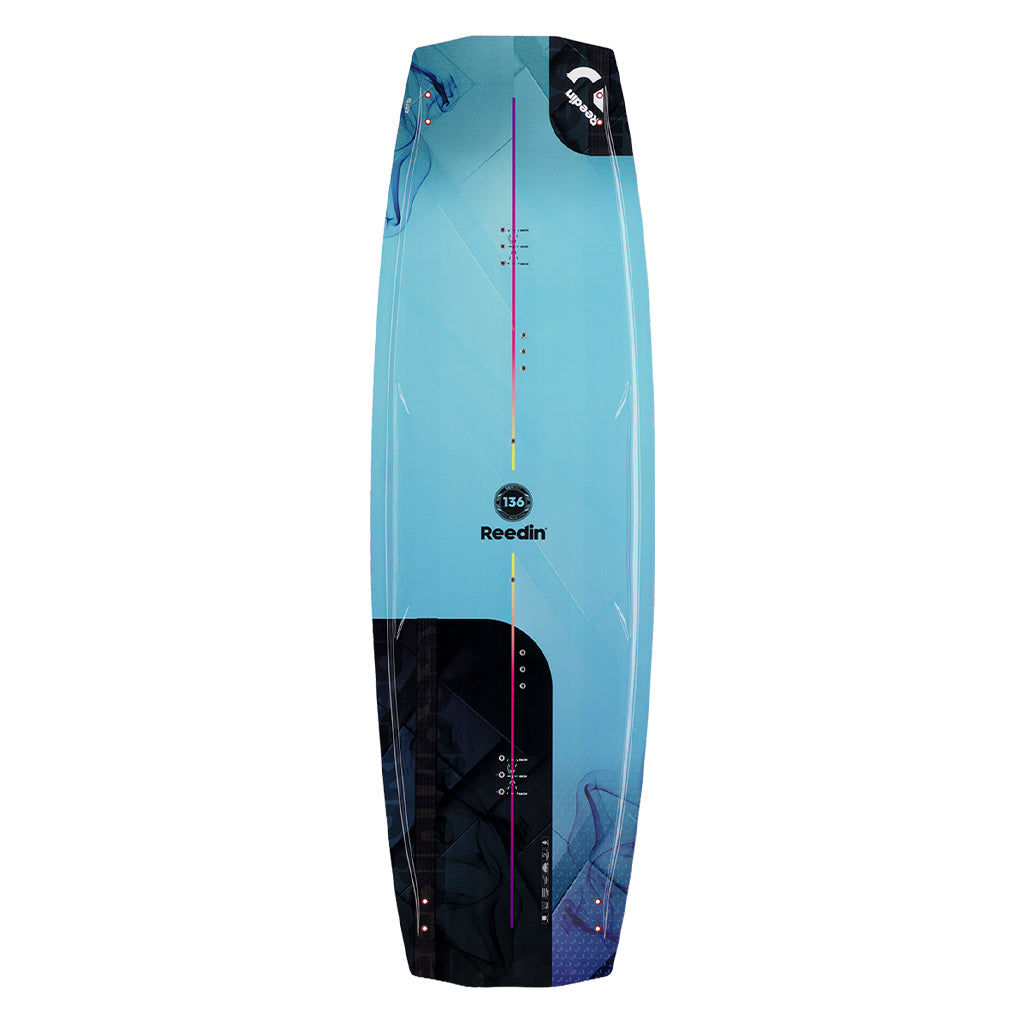
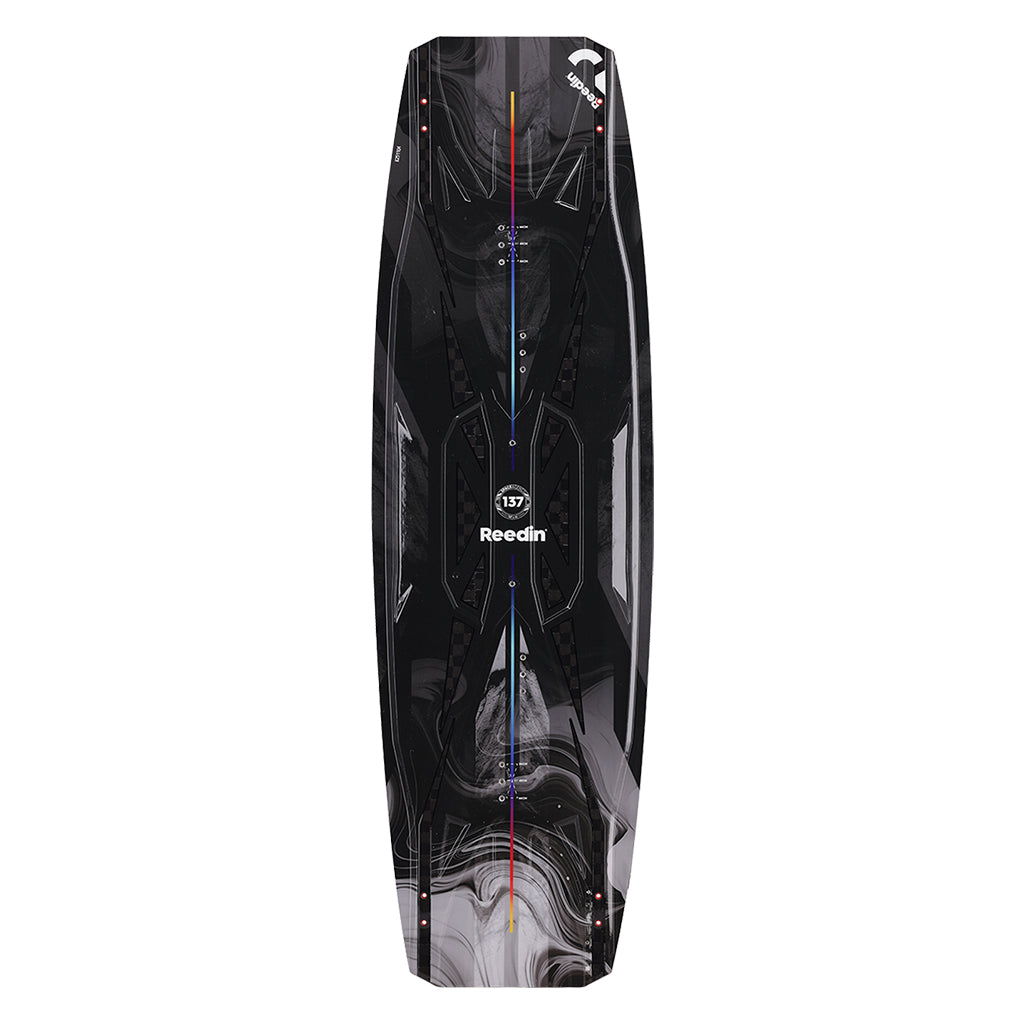
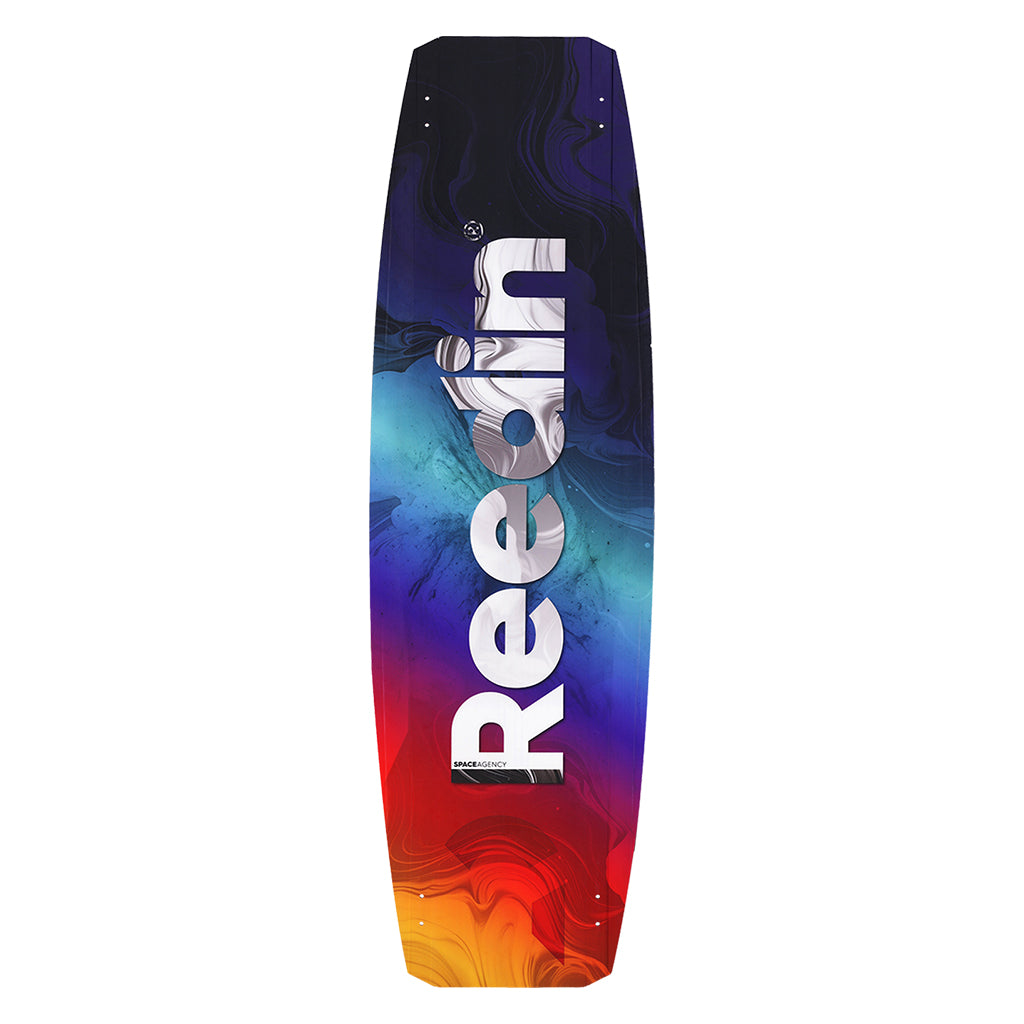
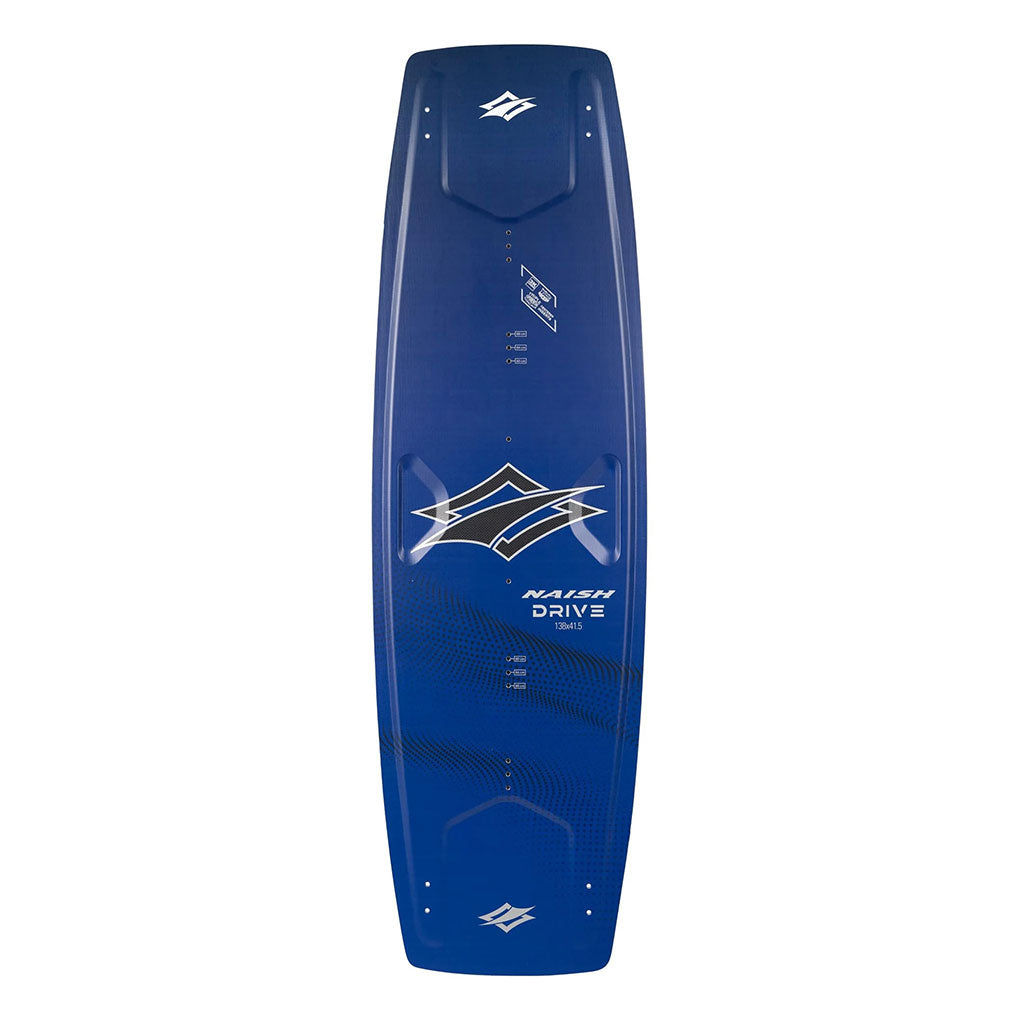
Twintip kiteboards are the most popular type of kiteboard. These kiteboards have a symmetrical shape and can therefore be surfed in both directions. Twintip kiteboards are also suitable for performing tricks and kite jumps. In short, the twintip board is what you need if you're not going wave surfing or kite foiling. A twintip board comes in different stiffnesses. A softer board is slower but more comfortable to stand on and is therefore ideal for the beginner. At high speed, however, you will have more difficulty controlling a soft board. A stiffer board is suitable for freestyle as it will be loaded with pop, but also a little hard on the knees when landing. In between the two stiffnesses, you have a medium stiff board, which brings the best of both softness and stiffness.

Foil

Lastly, we have a kite foilboard, which can't really be compared to either of the two above, as it's its own discipline. Many use the foil and foil board when out with their light-wind kite, as a light-wind kite and foil provide a really good balance. When you're looking for a foil, a foil with a low Aspect Ratio provides more lift and is therefore ideal for the beginner, while a high Aspect Ratio provides speed and response.

The harness

The harnesscomes in two types. A waist harness and a seat harness. For kitesurfing, we would definitely recommend a waist harness. Briefly put, the harness is an essential part of kitesurfing equipment and something you cannot do without. It is a belt with back support that you wear around your waist. The kite is hooked onto it via the two front lines, which are gathered in a loop or carabiner below the bar. It may seem daunting that the kite is attached around your waist in this way, but it is a cornerstone in kitesurfing, and all modern equipment has the necessary and sufficient safety mechanisms, so you can easily and quickly detach the lines from the harness.

The waist harness has clear advantages compared to the seat harness. You will have more freedom of movement with a waist harness, and since mobility is so crucial in kitesurfing, this is a huge argument in favor of a waist harness. Additionally, there are some comfort benefits to only being connected around the waist.

The wetsuit

The wetsuit is a complex universe where there is plenty of room to delve into details and technologies. The modern wetsuit was invented by JackO'Neilland is a synthetic rubber material we call neoprene.

When looking for a wetsuit for kitesurfing, we have some criteria we clearly recommend you look for.

If you have any questions about our selection of wetsuits, thencontactus finally, even if you think it may seem like a silly question, we are ready to help.

Frequently asked questions about kitesurfing

A quick guide to answering your questions about kitesurfing.

What is a kitesurfing kite?

A kitesurfing kite, also known as a kite, is a sail used to generate propulsion using the wind and pull the kitesurfer across the water.

What is the difference between different types of kites?

There are different types of kites for kitesurfing, including freeride kites, big air kites, wave kites, freestyle kites, and light wind kites. Each type has different characteristics and purposes that suit different kitesurfing styles and conditions.

How do I choose the right size kite?

Choosing the right size kite depends on several factors, including wind strength, weight, level, and discipline. It is important to check the weather and get advice from experienced kitesurfers or instructors to choose the optimal size kite.

What is a twintip kiteboard?

A twintip kiteboard is the most popular type of kiteboard. These kiteboards have a symmetrical shape and rounded edges, making them suitable for surfing back and forth on the water as well as performing tricks and jumping in the air.

Is kitesurfing a dangerous sport?

Kitesurfing can be an extreme sport that requires proper execution, safety measures, and respect for wind and weather conditions. With the right training and equipment, as well as thinking ahead before going out, the risk can be minimized, and kitesurfing can be a safe and fun activity.

What are some popular kitesurfing spots in Denmark?

Denmark has many popular kitesurfing spots, including Klitmøller, Cold Hawaii, Rømø, and Amager Strandpark. These locations offer good wind conditions and facilities for kitesurfing.

What are some well-known kitesurfing competitions?

Some well-known kitesurfing competitions include King of the Air (KOTA), Cold Hawaii Games, and World Kiteboarding Championships. These competitions attract top kitesurfers from around the world and are an exciting opportunity to see expertise and impressive tricks.

How can I get started with kitesurfing?

To get started with kitesurfing, it is recommended to take lessons at a kitesurfing school to learn the basic skills, safety, and techniques. It is also important to invest in the right equipment and always kitesurf under safe conditions and with respect for other beach users.

Can you kitesurf in the winter?

Yes, it is possible to kitesurf in winter. Although the weather can be chilly, and the water is cold, many kitesurfers still enjoy the sport year-round.

When kitesurfing in winter, it is important to be prepared for the extra challenges that cold weather and water can present. It is recommended to wear a thicker wetsuit, gloves, and boots to stay warm during the session.