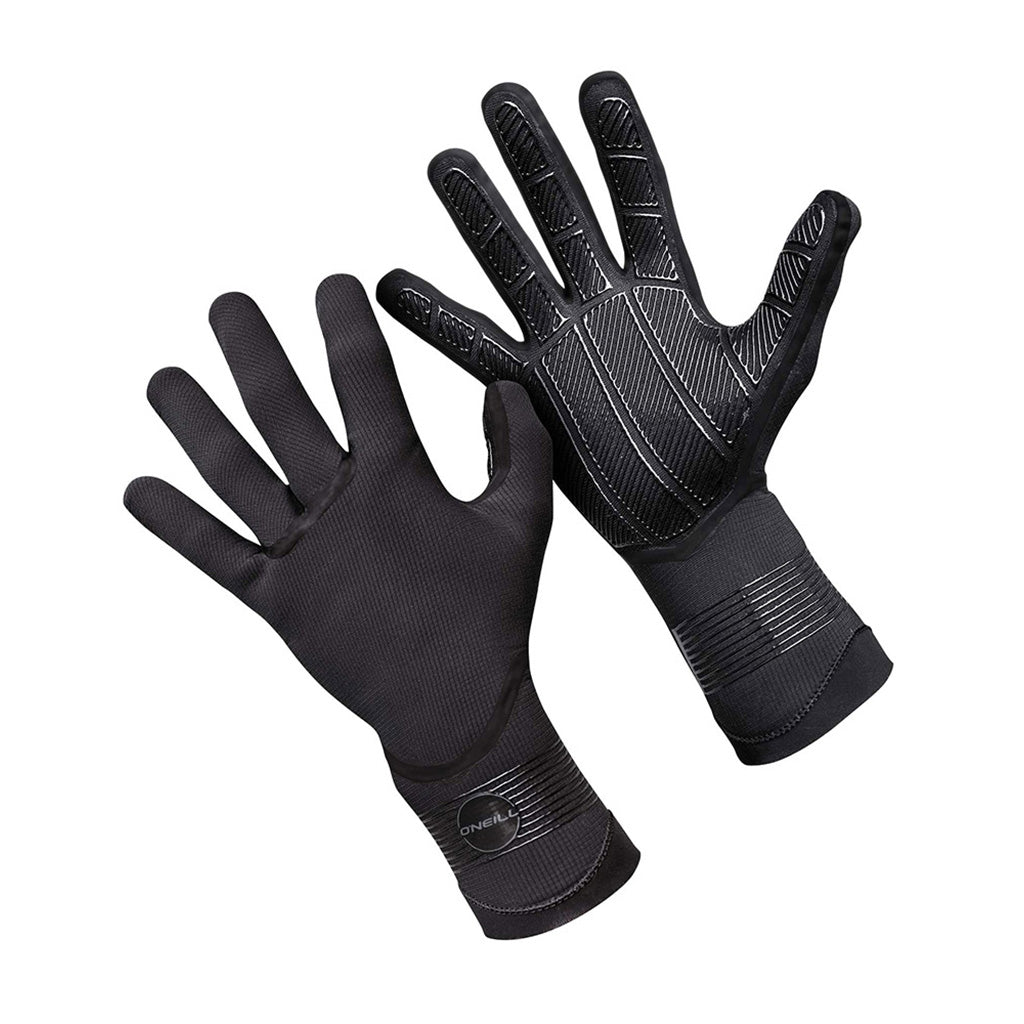
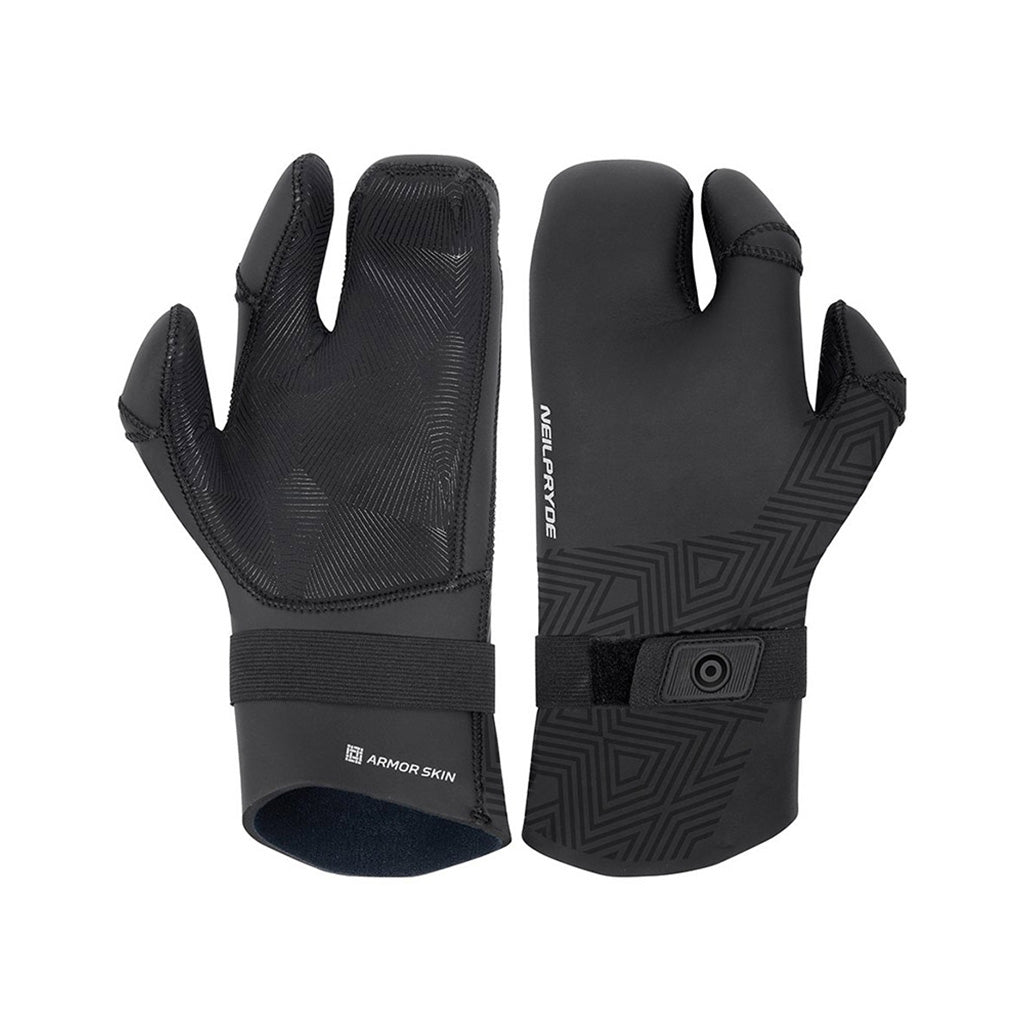
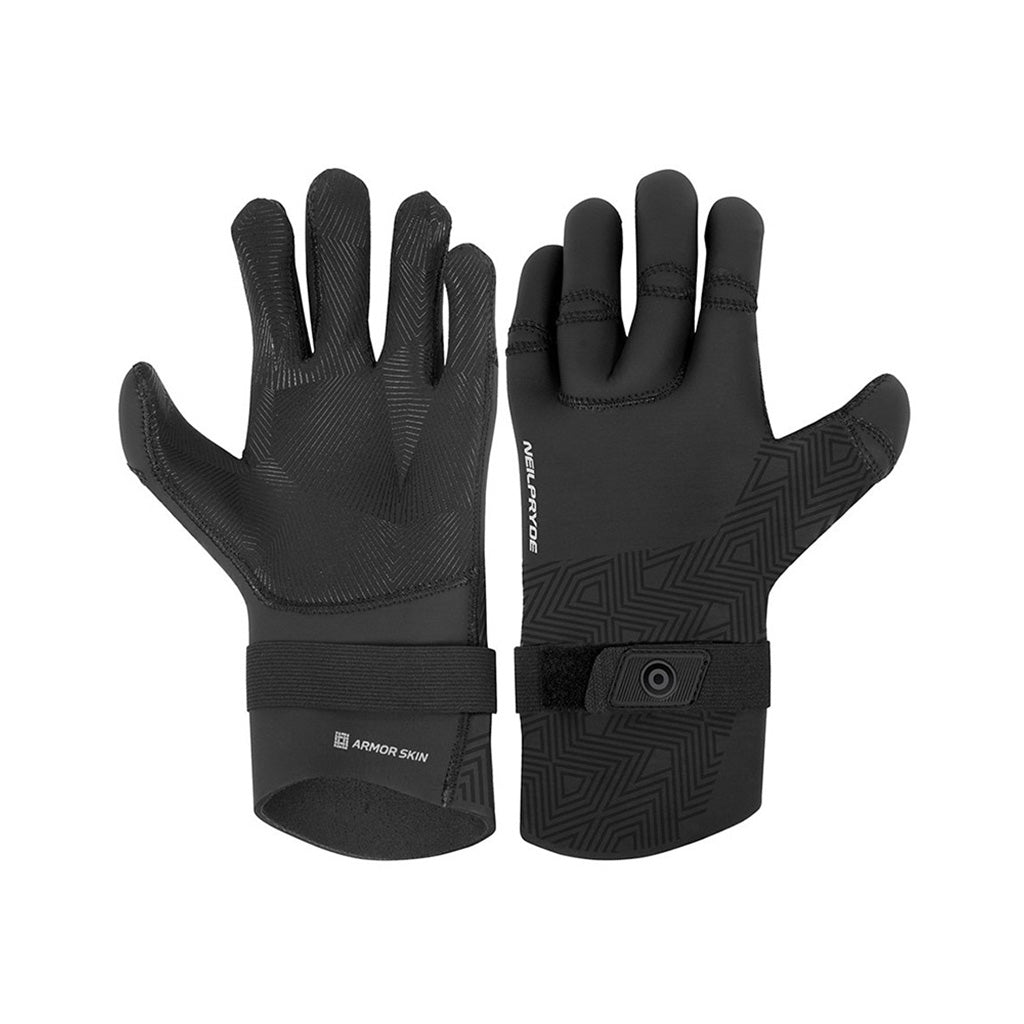
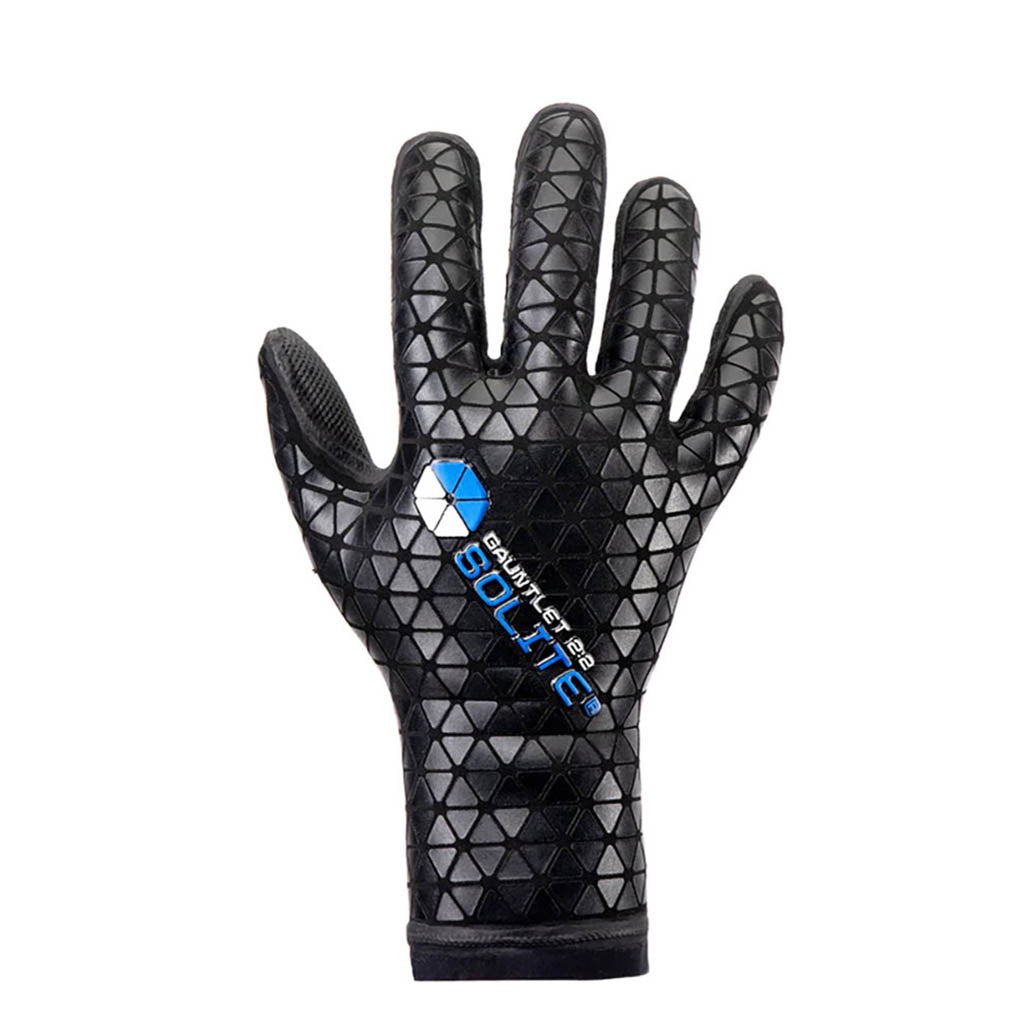
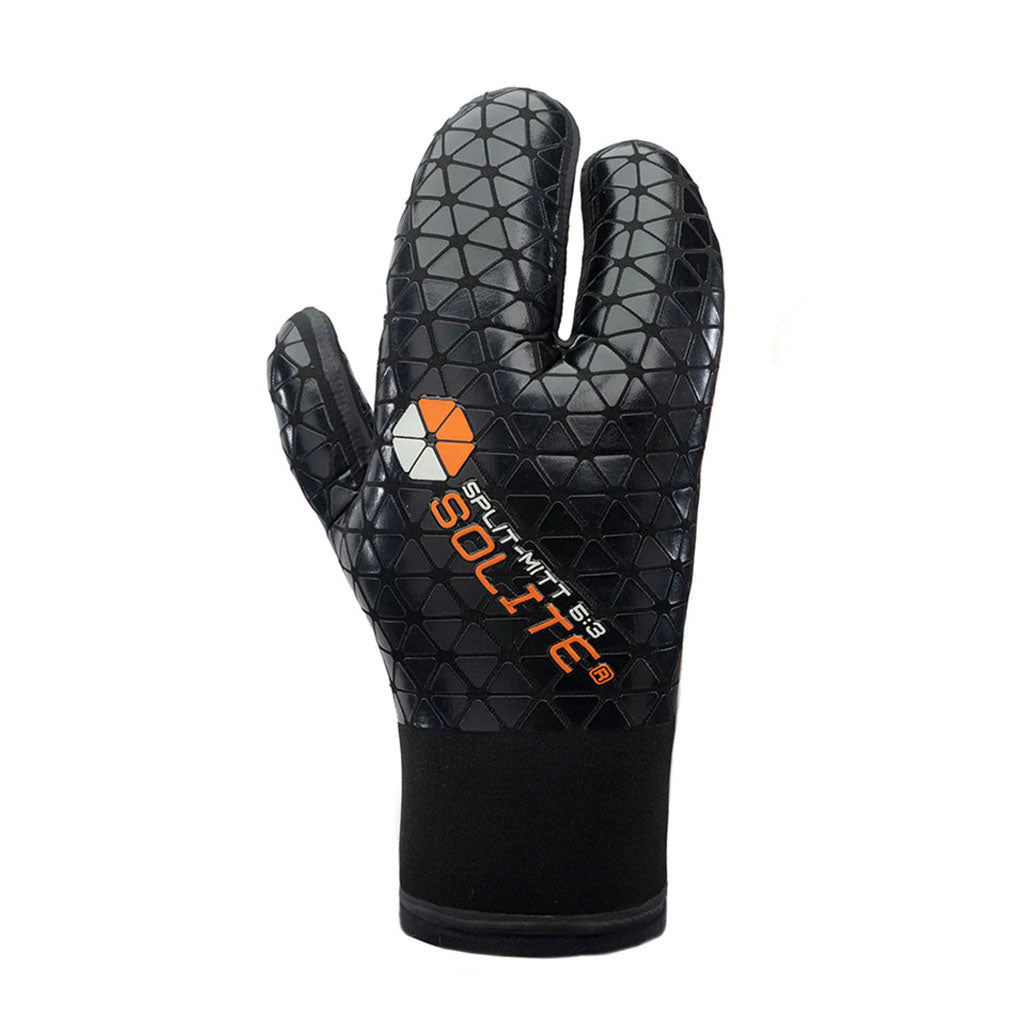
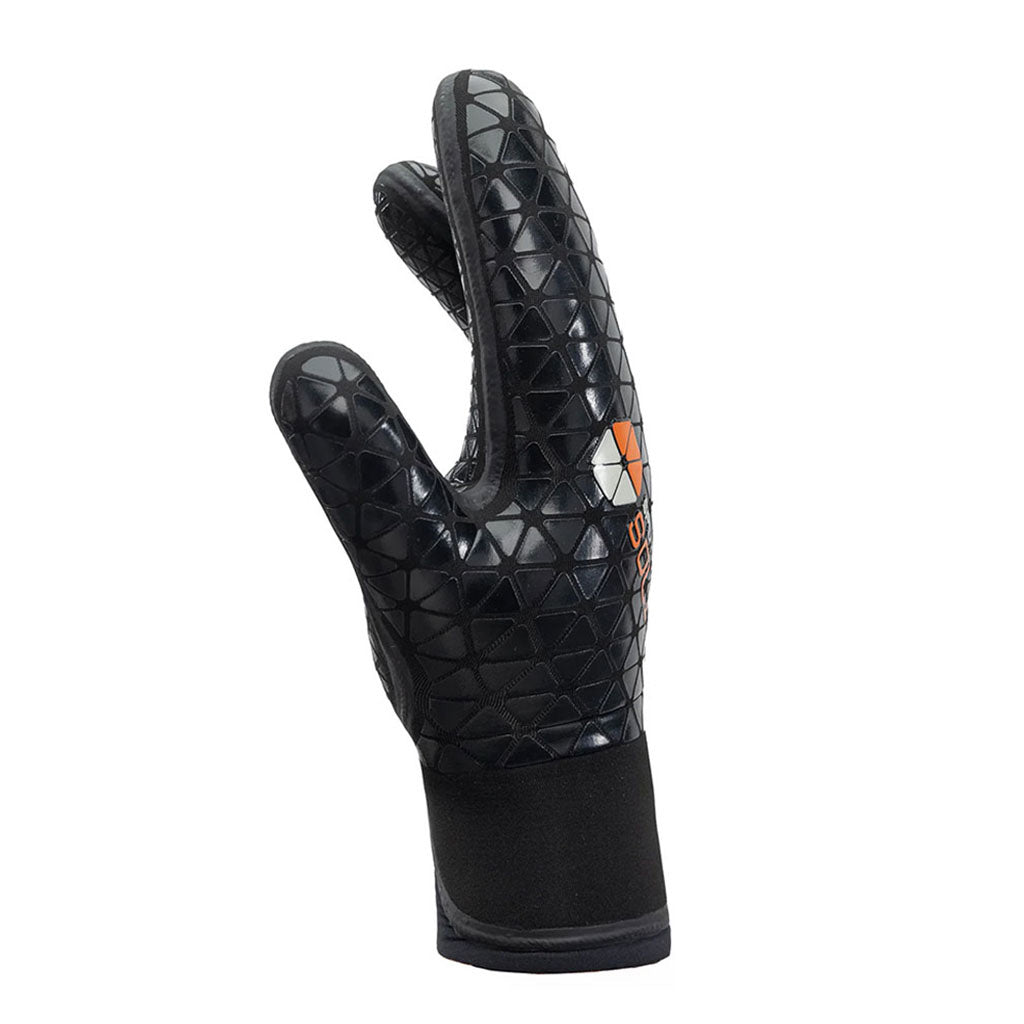
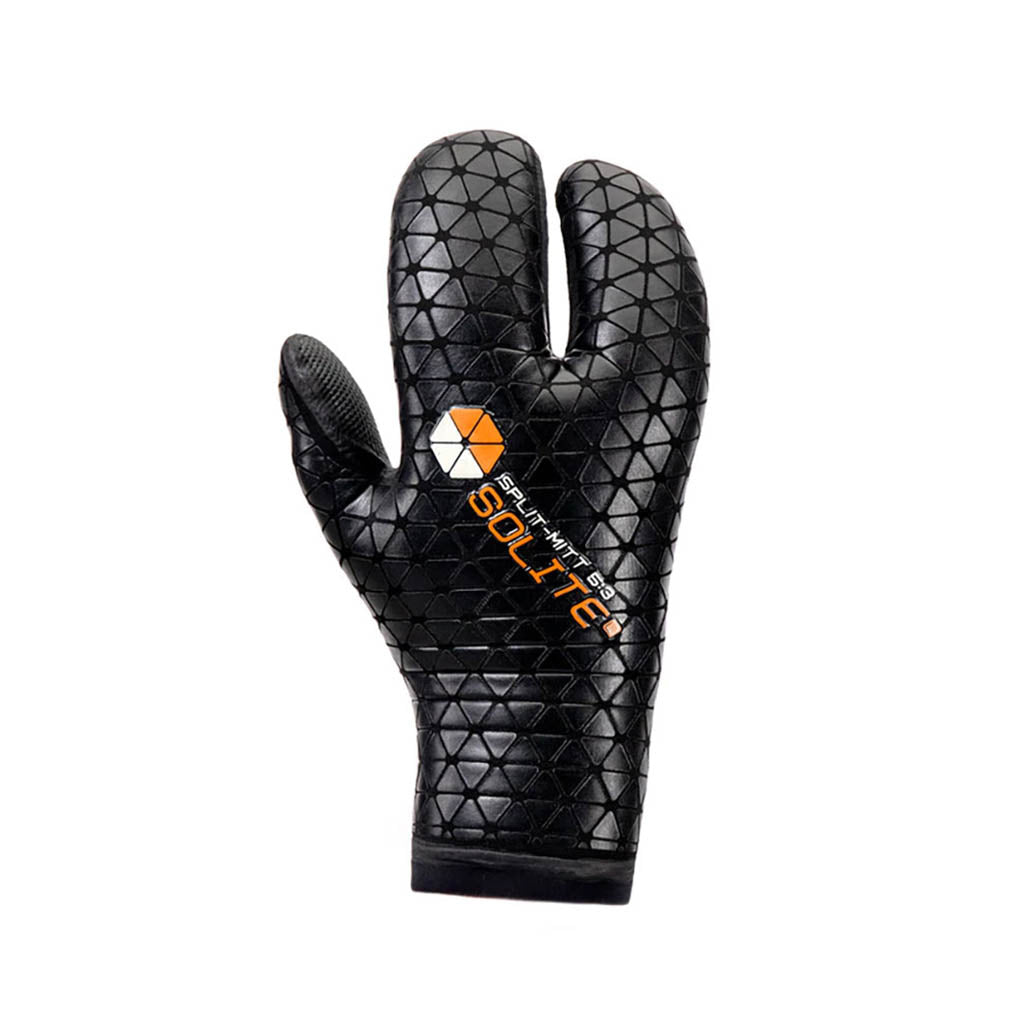
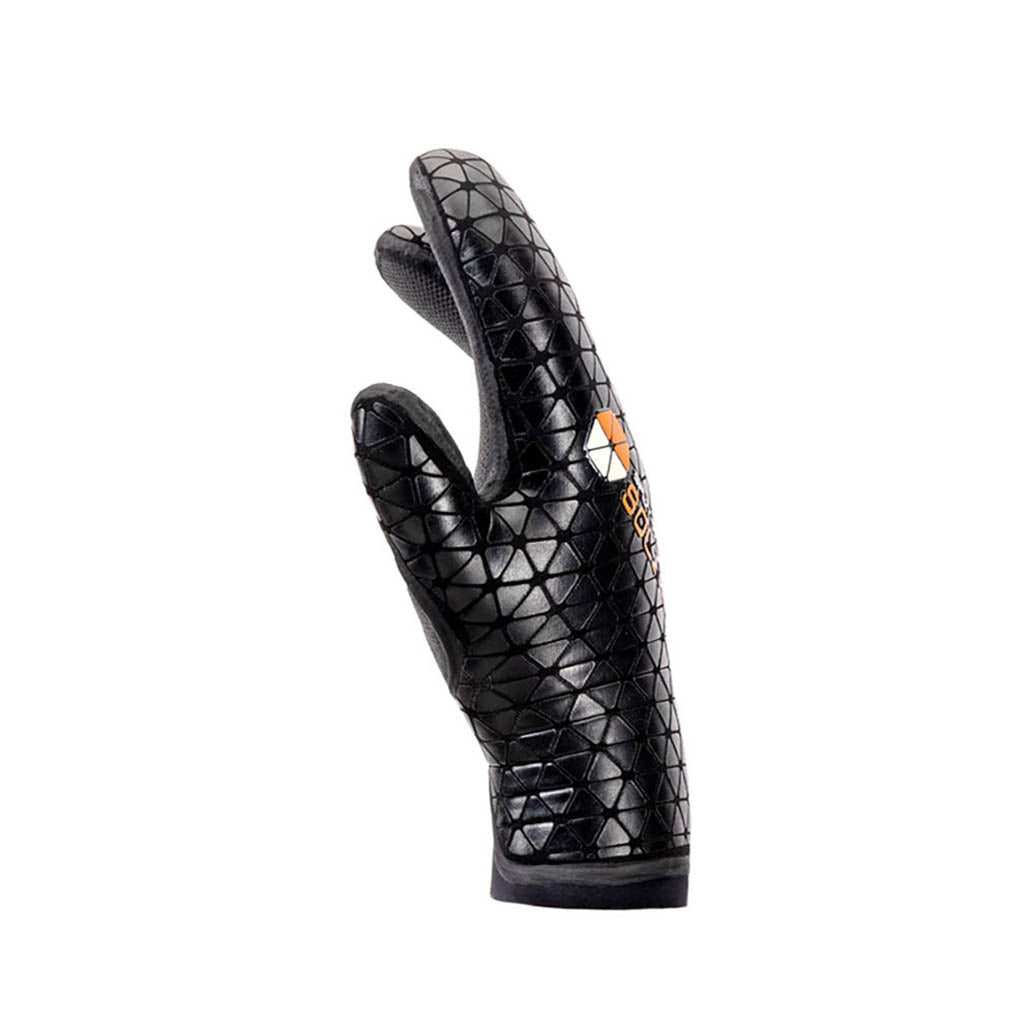
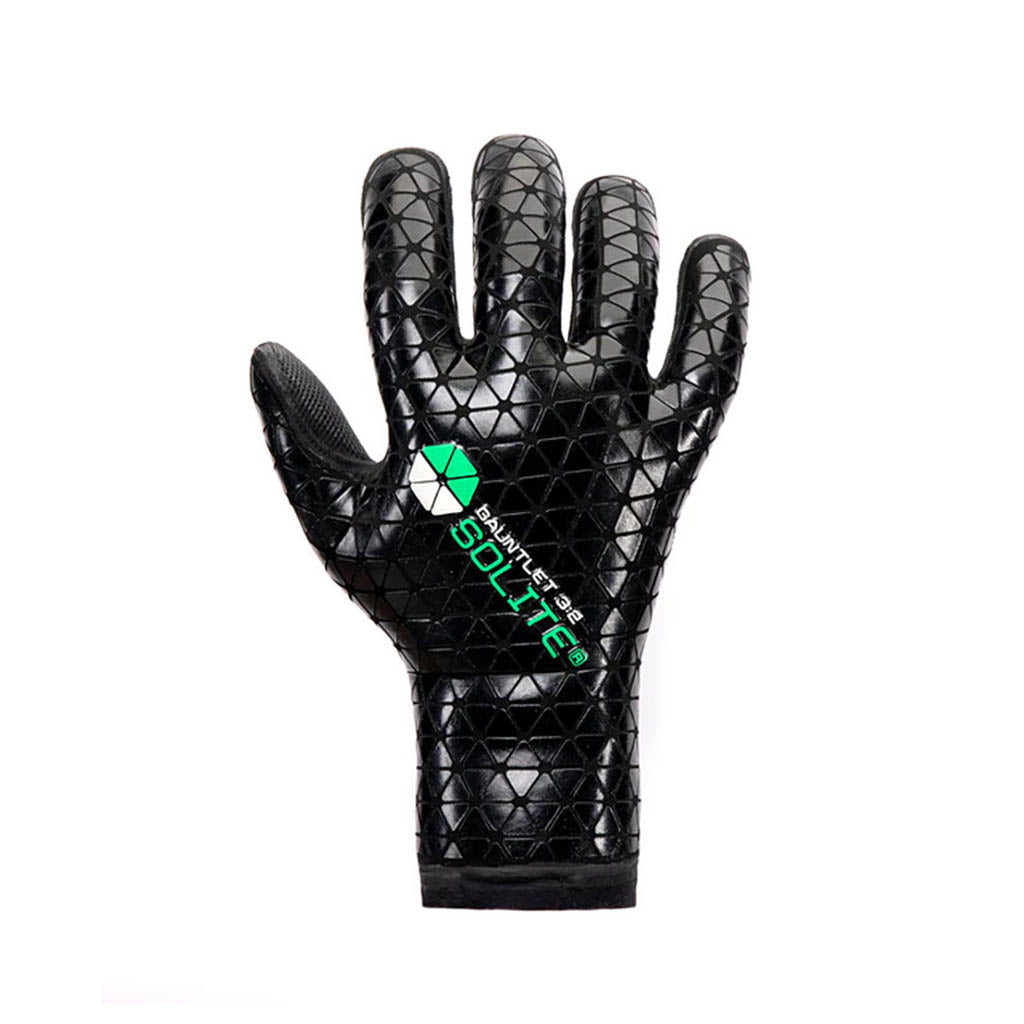
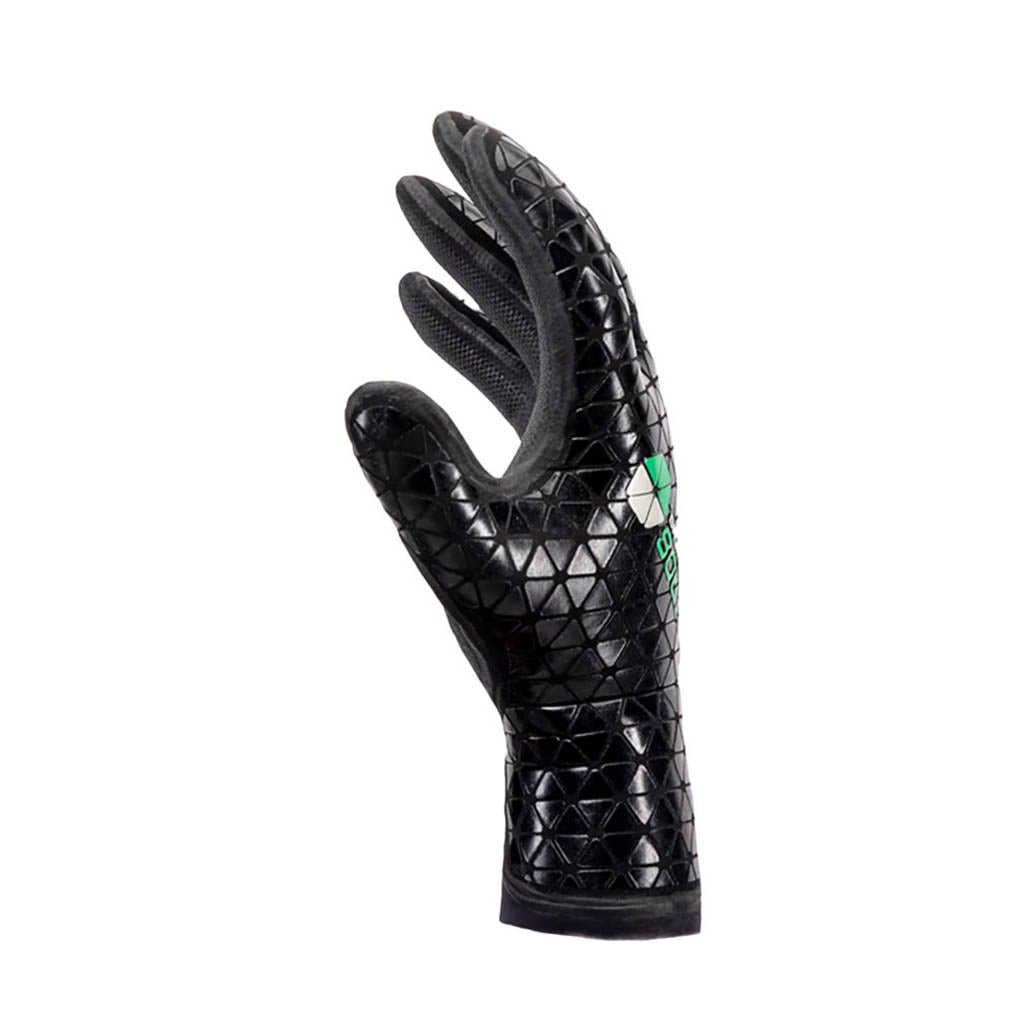
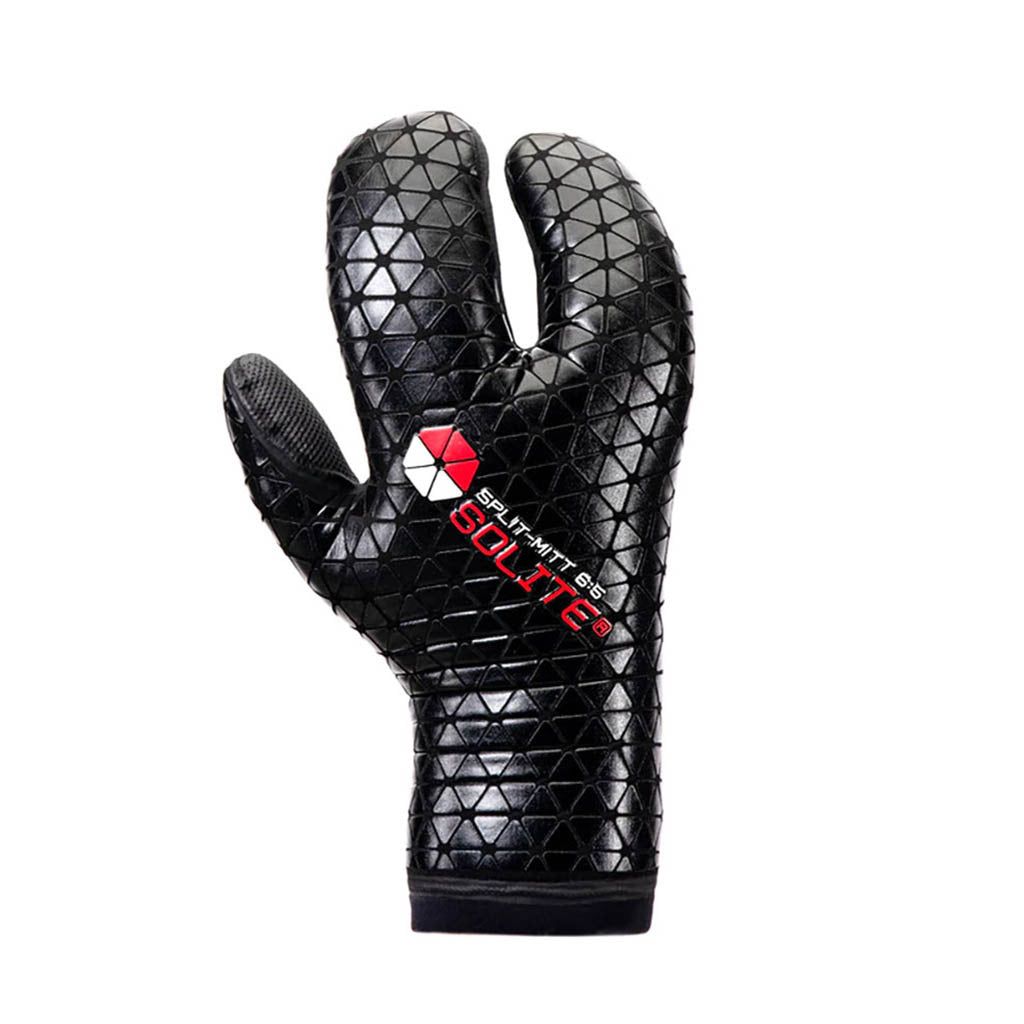
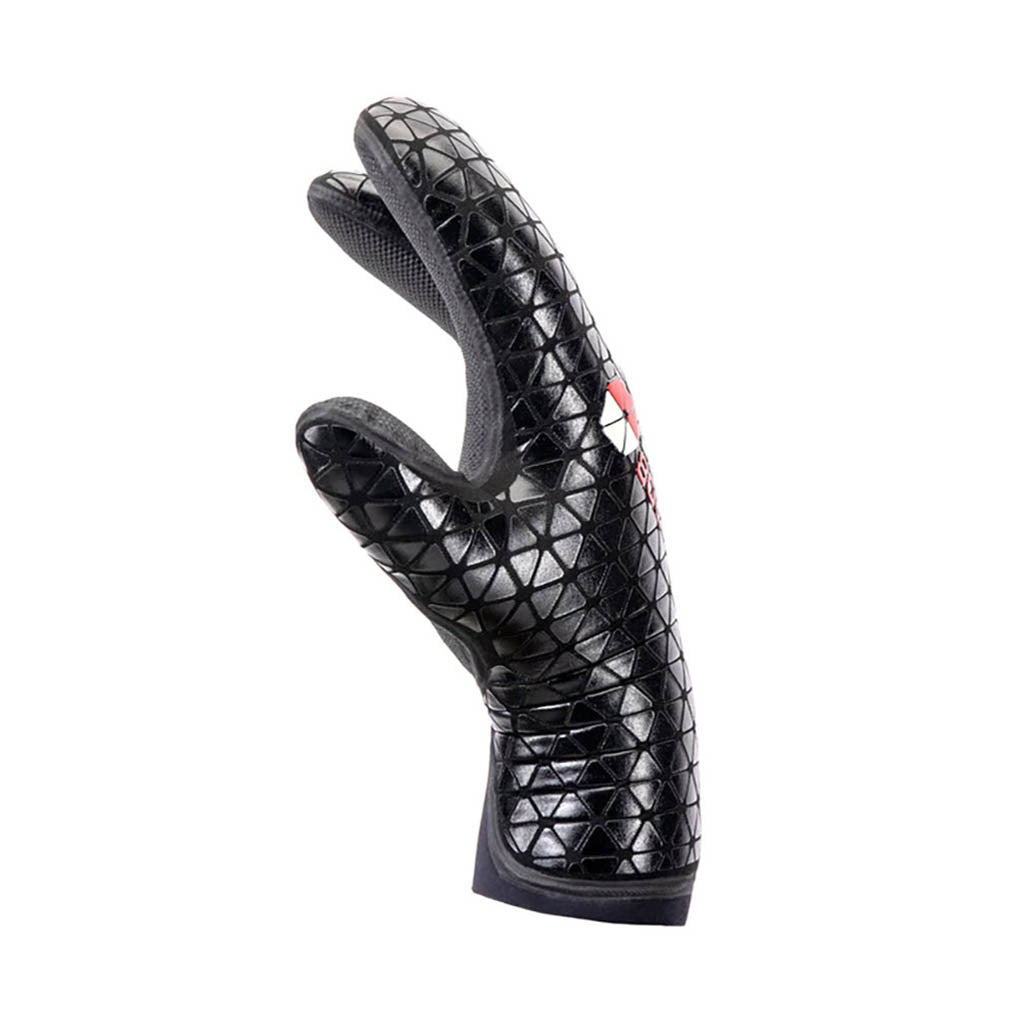
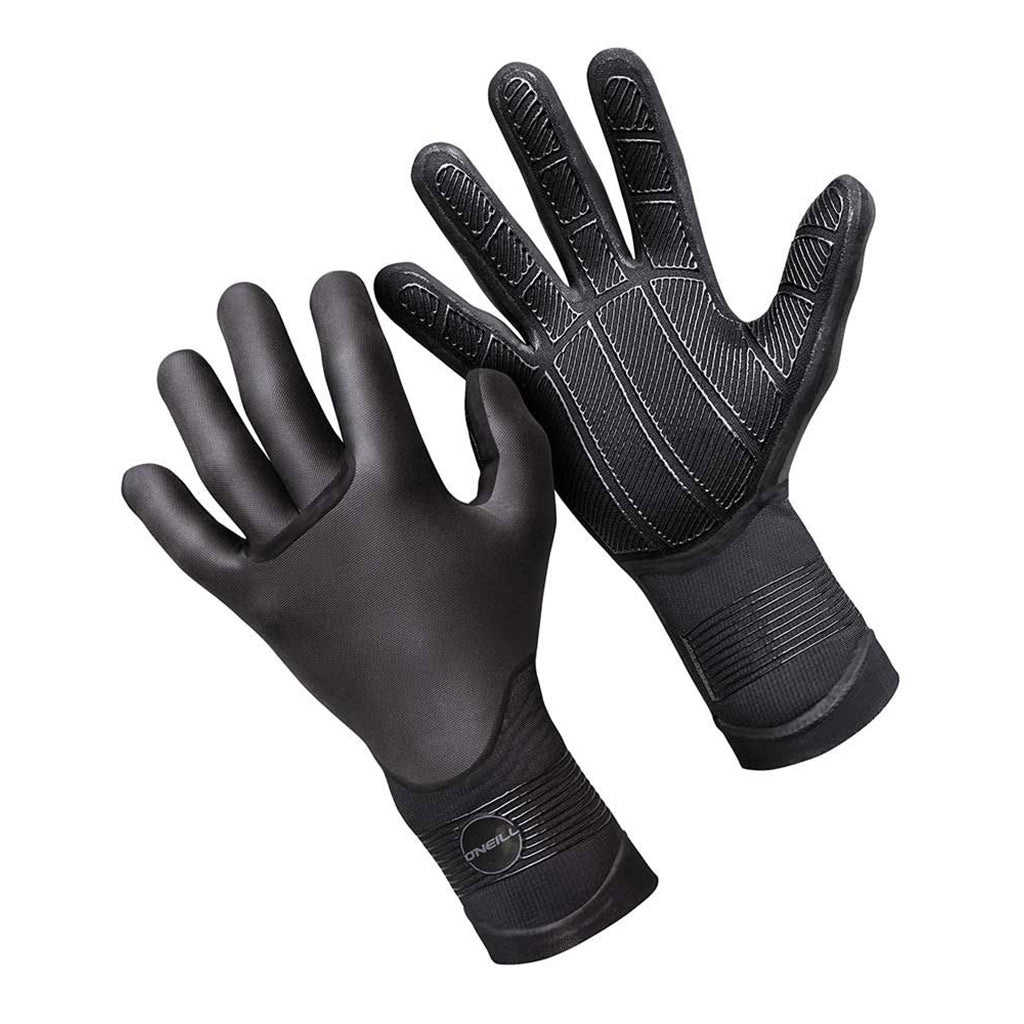
Neoprene gloves – the ultimate guide to warmth, comfort, and protection
Why neoprene gloves are indispensable for outdoor activities
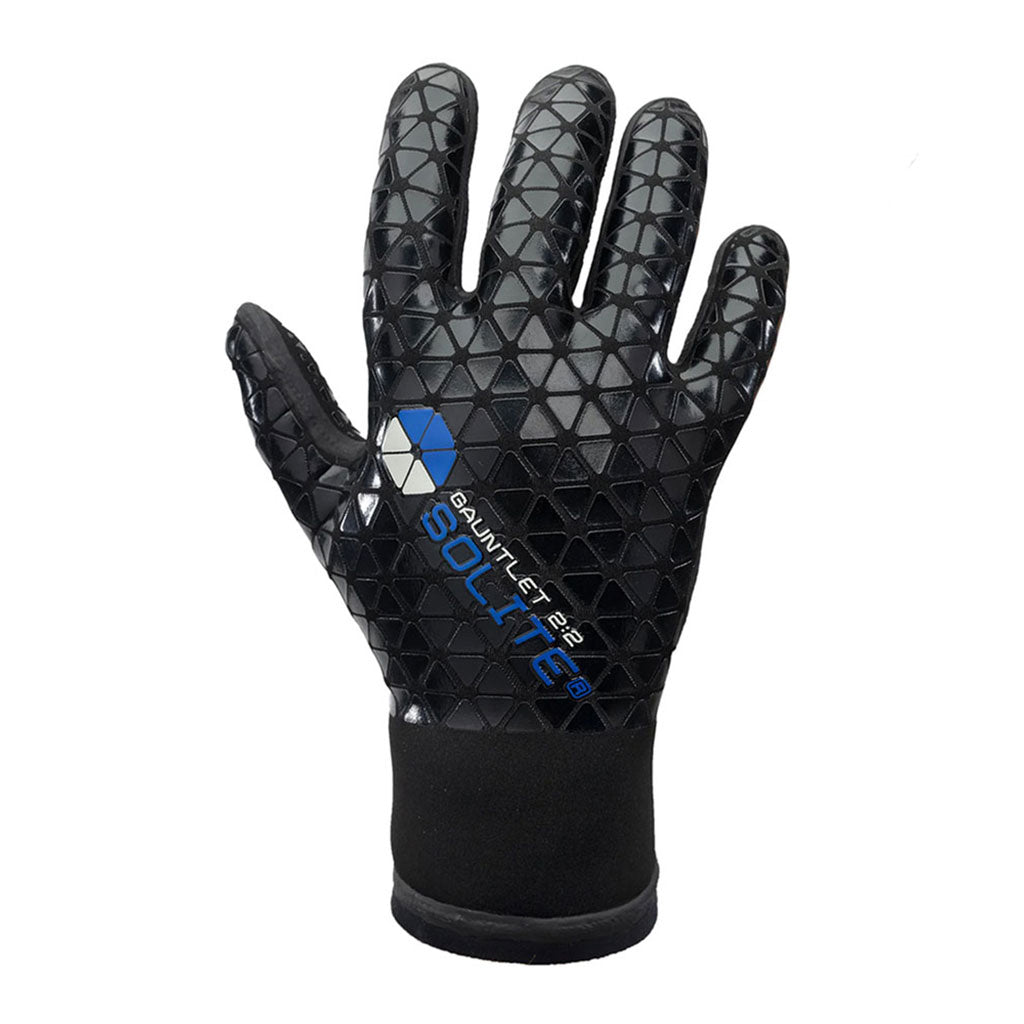
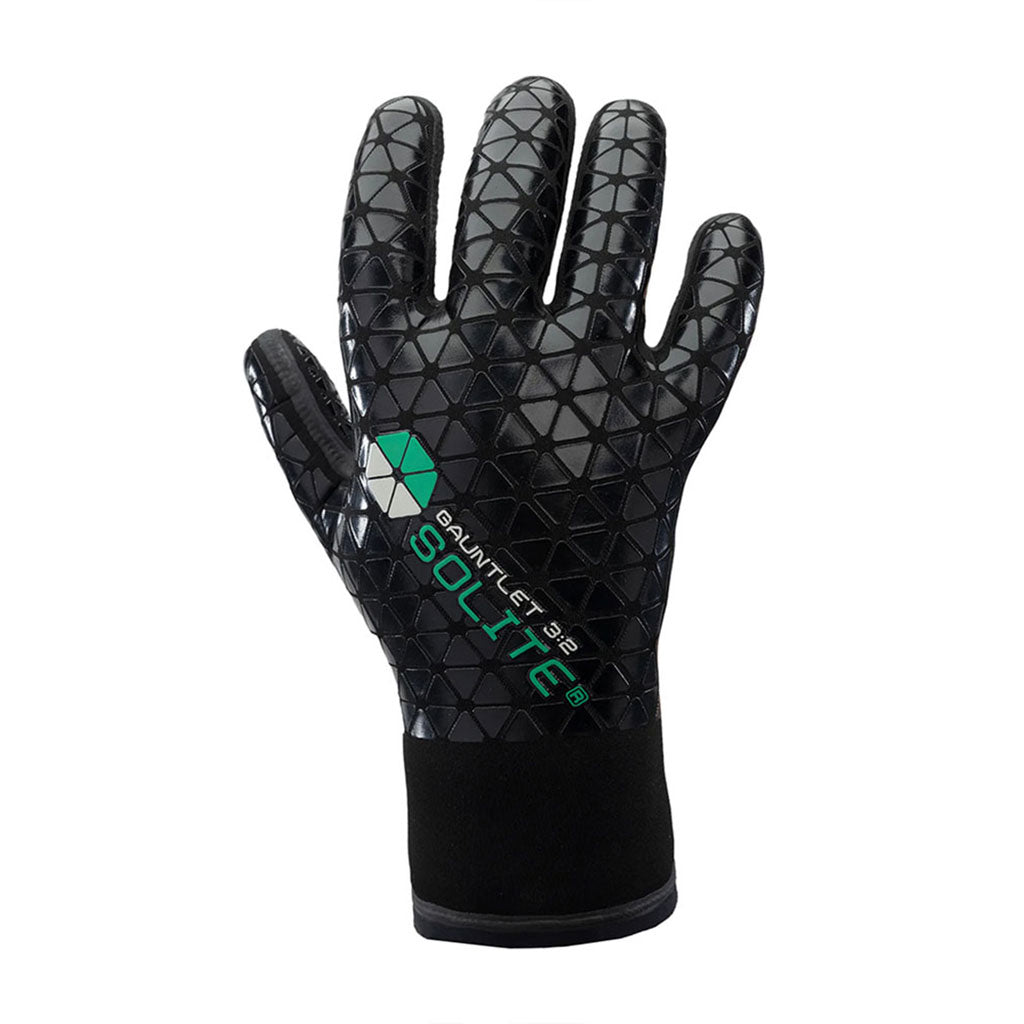
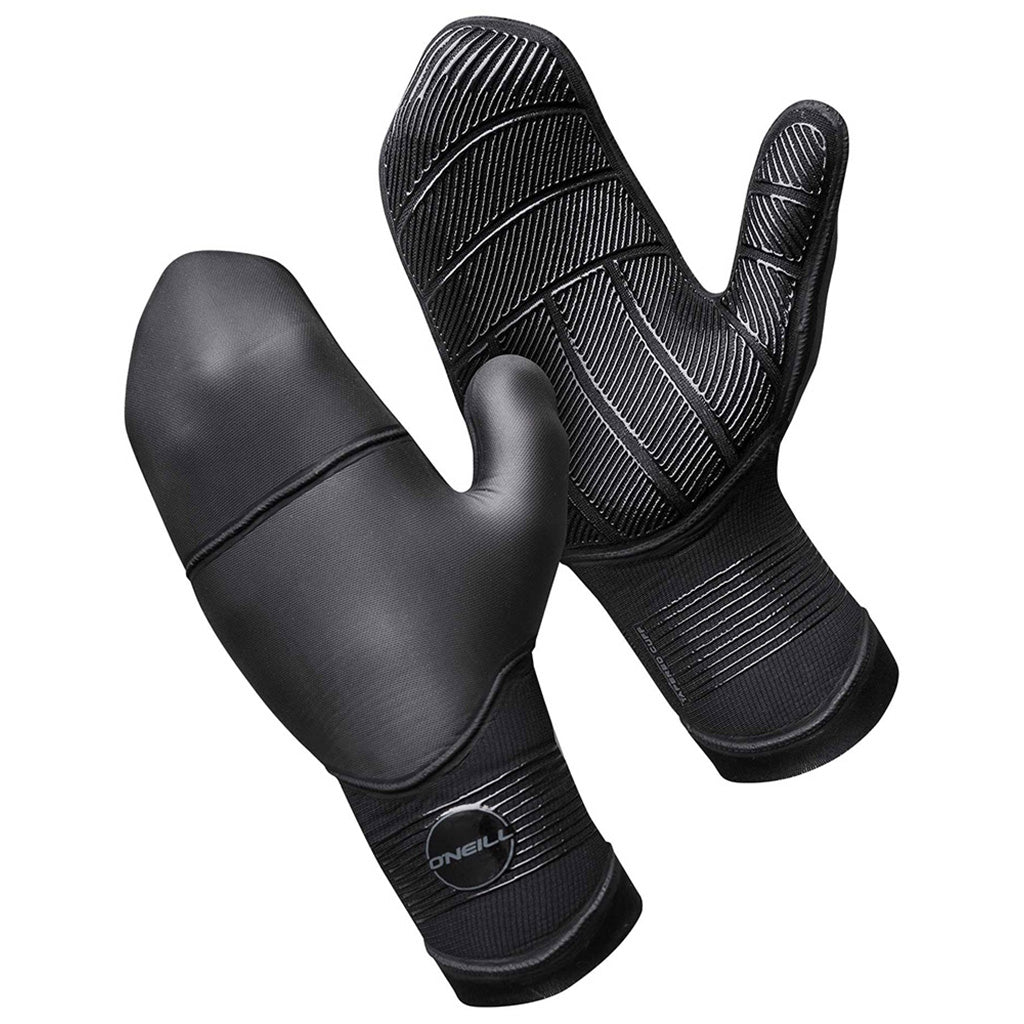
Neoprene gloves have become a staple for everyone who loves staying outdoors – especially in cold and wet environments. Whether you do water sports like kayaking, diving, SUP, or windsurfing, or if you need extra warmth for fishing, sailing, or winter swimming, neoprene gloves are the obvious choice. They protect your hands from the cold, wind, and water, while also providing a secure grip and optimal freedom of movement. With neoprene gloves, you can extend the season for your favorite activities and enjoy nature even when the temperature drops.
What is neoprene, and why is it ideal for gloves?
Neoprene is a synthetic rubber material known for its excellent insulating properties. The material was originally developed for wetsuits but has since made its way into a wide range of products where warmth and flexibility are crucial. Neoprene works by encapsulating a thin layer of water between the skin and the glove, which is quickly warmed by the body and forms an effective barrier against the cold. At the same time, neoprene is both elastic and durable, making it ideal for gloves that must withstand both movement and stress.
Advantages of choosing neoprene gloves
There are many good reasons to choose neoprene gloves over traditional gloves when you need to protect your hands in cold and wet environments:
- Effective heat insulation:Neoprene retains heat even when the material is wet, making the gloves perfect for water sports and winter activities.
- Flexibility and freedom of movement:The material is elastic, allowing you to move your fingers freely and perform precise movements.
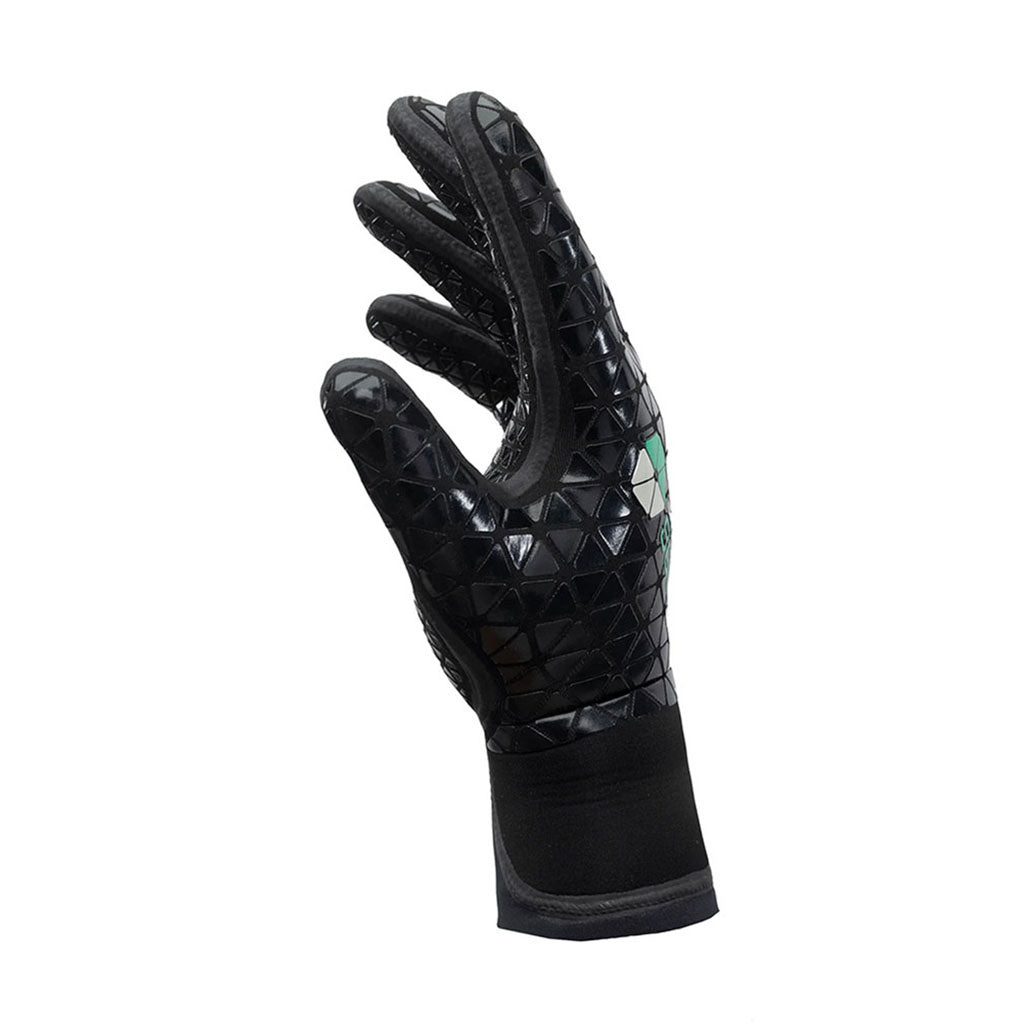
- Good grip:Many neoprene gloves have reinforced palms or silicone coating, ensuring a secure grip on equipment, paddles, or fishing rods.
- Durability:Neoprene is resistant to wear, saltwater, and sunlight, which extends the lifespan of the gloves.
- Comfort:The snug fit minimizes the risk of blisters and discomfort, even with prolonged use.
How to choose the right neoprene gloves for your needs
When choosing neoprene gloves, it is important to consider thickness, fit, and function. The thickness of neoprene gloves is measured in millimeters and greatly affects how warm and flexible the gloves are. Here is an overview that can help you choose the right thickness:
- 1-2 mm:Suitable for summer use and mild water, where the temperature is between 15 and 20 degrees. These gloves provide maximum mobility and are perfect for activities where you need dexterity.
- 3 mm:Ideal for spring and autumn, where the water is cooler (10-15 degrees). They provide a good balance between warmth and flexibility.
- 5 mm:Recommended for winter use and cold water with temperatures from 5 to 10 degrees. Here you get extra insulation so your hands remain warm, even under harsh conditions.
- 7 mm:The best choice for extreme cold and ice water below 5 degrees. These gloves provide maximum protection against the cold but may be less flexible.
When choosing neoprene gloves, you should also consider whether you need additional features such as reinforced palms, adjustable closures, or open fingers for activities like fishing.
Maintenance of neoprene gloves – how to make them last longer
To get the most out of your neoprene gloves and ensure they last for many seasons, it's important to take good care of them. Always rinse the gloves in clean fresh water after use, especially if they have been in saltwater or chlorinated water. Let them dry in the shade, as direct sunlight can break down the neoprene material over time. Avoid wringing or unnecessarily stretching the gloves, and store them flat or hung up to maintain their shape. If the gloves start to smell, you can wash them with a mild neoprene cleaner to remove bacteria and prolong their lifespan.
Popular uses for neoprene gloves
Neoprene gloves are versatile and can be used for many different activities:
- Water sports:Kayaking, SUP, diving, snorkeling, windsurfing, and kitesurfing.
- Winter swimming:Protects the hands from icy temperatures and makes the experience more pleasant.
- Fishing:Keeps hands warm, even when handling wet lines and fish. Fingerless gloves are popular among anglers.
- Sailing:Provides a secure grip on ropes and equipment while protecting against wind and water.
- Outdoor and outdoor life:Perfect for hiking, mountain biking, or other activities in cold and wet weather.
Tips to get the most out of your neoprene gloves
- Always choose gloves that fit snugly without being tight to avoid water penetration and loss of heat.
- Combine neoprene gloves with other neoprene gear like socks and boots for optimal protection.
- Consider gloves with extra grip or reinforcements if you need them for demanding activities.
- Regularly check for wear or holes so you can repair them in time and avoid heat loss.
Conclusion – neoprene gloves for all needs and activities
Neoprene gloves are an investment in comfort, safety, and the joy of outdoor activities year-round. With the right thickness and fit, you get maximum warmth, flexibility, and protection, whether you're into water sports, fishing, winter bathing, or outdoor life. Choose neoprene gloves that match your needs and discover how much of a difference they can make for your adventures in nature.